
CE Certification Shower Glass Door Seal Strip A Comprehensive Buyers Guide
Mar . 03, 2026 18:15 Back to list
CE Certification Shower Glass Door Seal Strip A Comprehensive Buyers Guide
CE Certification Shower Glass Door Seal Strip: A Comprehensive Guide
Ensuring a watertight and secure shower enclosure requires high-quality components, and the shower glass door seal strip is paramount. This article provides a detailed overview of these crucial components, focusing on CE certification, materials, applications, and selection criteria. We’ll delve into why choosing the right seal strip is vital for preventing leaks, maintaining energy efficiency, and ensuring the longevity of your shower. Finding a reliable supplier with CE certification is also extremely important.

Understanding CE Certification for Shower Seal Strips
CE marking is a crucial indicator of compliance with European health, safety, and environmental protection standards. For shower glass door seal strips, CE certification signifies that the product meets specific requirements for durability, chemical resistance, and overall safety. This means the seal strip has been tested and confirmed to perform as intended, minimizing risks associated with leakage, mold growth, and structural failure. It’s essential to verify that any seal strip you purchase displays the CE mark, guaranteeing it meets recognized quality benchmarks. Look for manufacturers like Pulongte who explicitly state their CE certification details.
Key Benefits of CE Certified Seal Strips: Ensures adherence to European safety standards, reduces the risk of leaks and water damage, and guarantees product quality and durability.
Materials Used in Shower Seal Strips: A Comparison
Shower seal strips are manufactured from various materials, each with distinct properties and suitability for different applications. Common materials include PVC, silicone, and EPDM rubber. PVC is cost-effective but may become brittle over time. Silicone offers excellent flexibility and temperature resistance. EPDM rubber provides superior durability, UV resistance, and longevity. The best material depends on your specific needs and budget. Pulongte offers a range of materials to cater to diverse requirements.
Material Comparison:
• PVC: Cost-effective, but less durable.
• Silicone: Excellent flexibility and temperature resistance.
• EPDM Rubber: Superior durability, UV resistance, and longevity.
CE Certification Shower Glass Door Seal Strip: Key Features and Benefits
A properly selected and installed CE certified shower glass door seal strip offers numerous benefits. These include preventing water leakage, reducing drafts and heat loss, protecting against mold and mildew growth, and extending the lifespan of your shower enclosure. High-quality seal strips also contribute to a more aesthetically pleasing bathroom. Look for features like flexible design, strong adhesion, and resistance to common cleaning agents.
Choosing the Right Seal Strip: Factors to Consider
Selecting the correct seal strip involves several considerations. The thickness of the glass, the gap between the glass panels, and the overall design of your shower enclosure all play a role. It’s also crucial to consider the type of adhesive used and whether it's compatible with your glass type. Finally, ensure the seal strip is adequately sized to cover the entire perimeter of the glass door or panel. Pulongte offers expert advice to help you select the ideal seal strip for your specific application.
Product Specifications and Dimensions
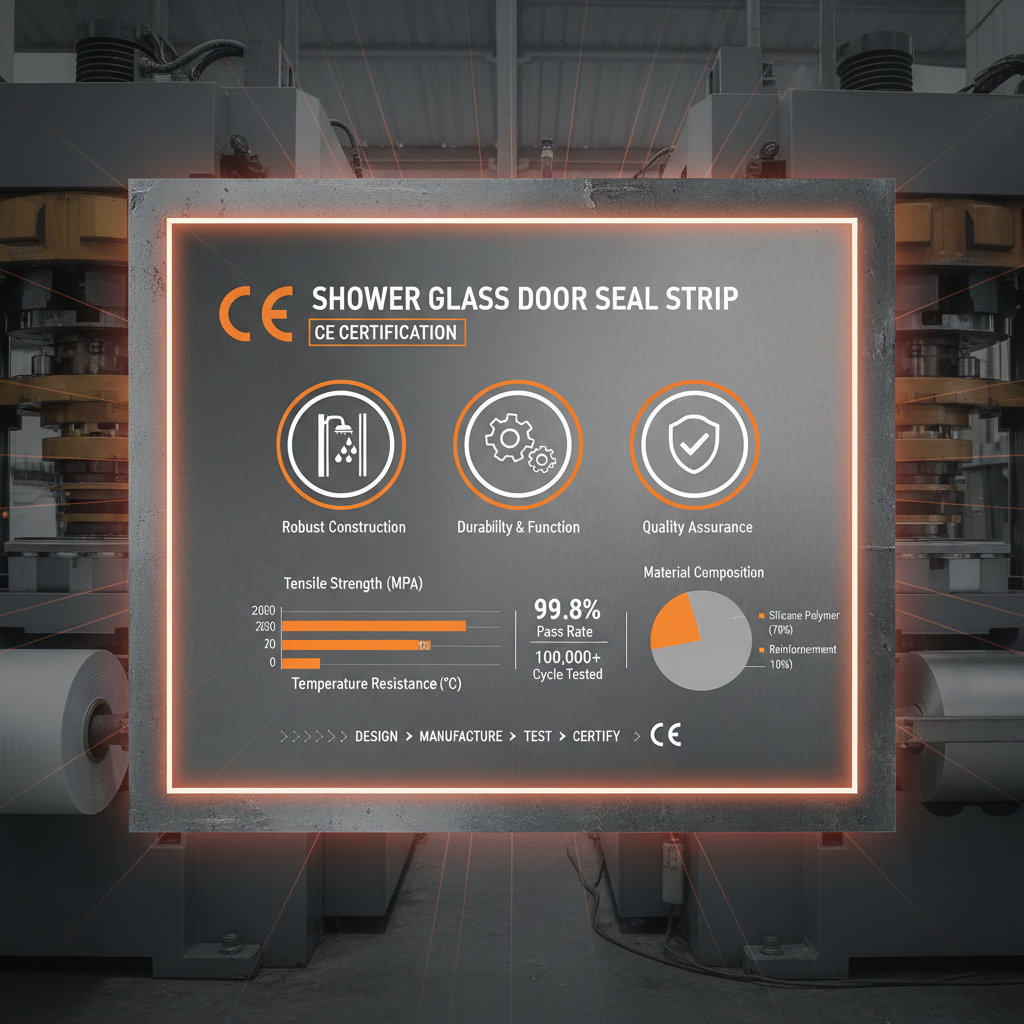
Understanding the specifications of a seal strip is vital for ensuring a proper fit and effective performance. Key dimensions include thickness, width, and length. The material’s hardness (Shore A) also affects its flexibility and durability. Pulongte provides detailed product specifications for each seal strip, including dimensions, material composition, and installation instructions.
Conclusion: Investing in Quality Shower Seal Strips
Choosing a CE certified shower glass door seal strip from a reputable supplier like Pulongte is an investment in the longevity and functionality of your shower enclosure. Prioritize quality materials, proper dimensions, and adherence to safety standards to ensure a watertight and durable seal. A well-chosen seal strip prevents costly water damage, mold growth, and ensures a comfortable and enjoyable showering experience.
Frequently Asked Questions (FAQs)
What does CE certification mean for a shower seal strip?
CE certification signifies that the shower seal strip meets European health, safety, and environmental protection standards. This means the product has been tested for durability, chemical resistance, and overall performance. It assures customers that the seal strip is safe to use and meets recognized quality benchmarks. Manufacturers like Pulongte display the CE mark on their products to demonstrate compliance.
How often should shower seal strips be replaced?
The lifespan of a shower seal strip depends on usage and environmental conditions. Generally, it’s recommended to replace them every 2-5 years, or sooner if you notice signs of wear and tear, such as cracks, brittleness, or loss of adhesion. Regular inspection and timely replacement prevent leaks and water damage.
What is the best material for a shower seal strip?
EPDM rubber is generally considered the best material for shower seal strips due to its superior durability, UV resistance, and longevity. Silicone is also a good option for its flexibility and temperature resistance, but it may be more expensive. PVC is a cost-effective choice, but it’s less durable and may degrade over time. The optimal material depends on your specific needs and budget.
How do I install a shower glass door seal strip?
Installation typically involves cleaning the glass surface thoroughly, peeling off the backing from the seal strip, and carefully applying the strip along the edge of the glass. Ensure a firm and even application to create a watertight seal. Many seal strips have an adhesive backing, while others may require a sealant. Refer to the manufacturer’s instructions for specific guidance. Pulongte provides detailed installation guides with each product.
-
Premium ce certification aluminumplastic edge strip for Safety
NewsApr.16,2026
-
Benefits of CE Certification Garage Door Weather Seal Strip for Home
NewsApr.09,2026
-
CE Certification Bath Seal Strip Screwfix A Comprehensive Guide
NewsApr.07,2026
-
CE Certification Elan 2S Chrome Rocker Trim Strip A Comprehensive Guide
NewsApr.04,2026
-
CE Certification LED Signs and Trim Cap Solutions for Enhanced Safety
NewsMar.31,2026
-
CE Certification D Shaped Rubber Seal Strip for Industrial Applications
NewsMar.28,2026