
CE Certification Window Door Seal Strip A Comprehensive Guide To Quality Sealing
Mar . 26, 2026 01:55 Back to list
CE Certification Window Door Seal Strip A Comprehensive Guide To Quality Sealing
CE Certification Window Door Seal Strip: A Comprehensive Guide
Ensuring the integrity of your windows and doors is crucial for energy efficiency, weather protection, and overall building performance. A key component in achieving this is a high-quality window door seal strip. This article will delve into the importance of these seals, focusing on the role of CE certification, materials, applications, and selecting the right seal for your needs. Properly installed and certified seal strips can significantly reduce energy loss and improve the longevity of your building materials. Let's explore the world of window and door sealing!
Understanding CE Certification for Window and Door Seal Strips
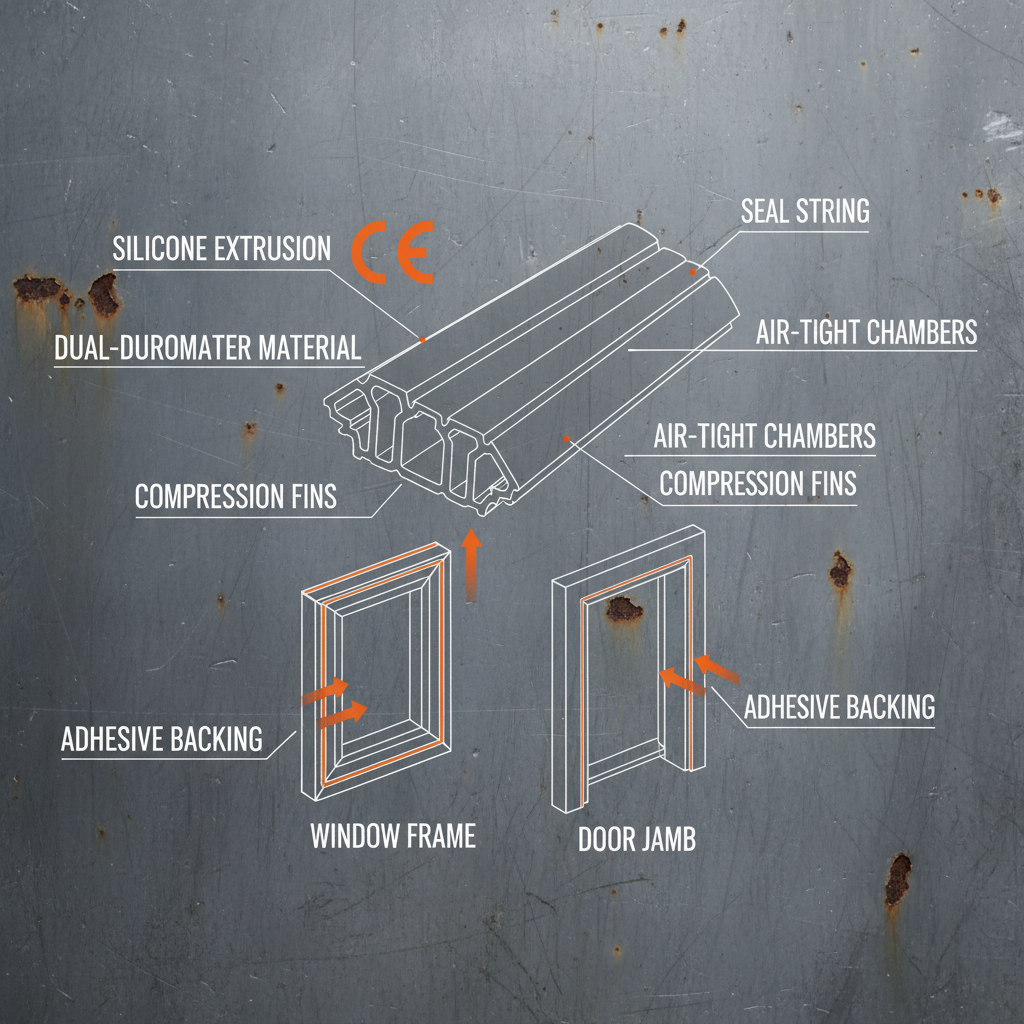
CE marking is a mandatory conformity marking for products sold within the European Economic Area (EEA). For window door seal strips, CE certification signifies that the product meets the essential health and safety requirements stipulated by relevant European directives. This includes standards related to material properties, durability, fire resistance, and environmental impact. Purchasing CE-certified seal strips provides assurance that the product has undergone rigorous testing and complies with these safety standards, ensuring a reliable and long-lasting seal. Without CE marking, products cannot be legally sold within the EEA. Choosing a seal strip with CE certification is a vital step towards quality and safety.
Key Benefits of CE Certification: Guarantees compliance with European safety standards, ensures product reliability and longevity, allows for legal sale within the EEA, and offers peace of mind to consumers.
Common Materials Used in Window Door Seal Strip Production
Various materials are used to manufacture window and door seal strips, each offering unique properties and suitability for different applications. Common materials include: EPDM (Ethylene Propylene Diene Monomer) rubber, known for its excellent weather resistance and durability; PVC (Polyvinyl Chloride), a cost-effective and versatile option; Silicone, offering superior temperature resistance and flexibility; and TPE (Thermoplastic Elastomer), combining the properties of rubber and plastic. The choice of material depends on factors such as the climate, the type of window or door, and the desired level of performance. Pulongte specializes in providing high-quality seal strips made from diverse materials to meet a wide range of needs.
Material Comparison:
• EPDM: Excellent weather resistance, durability, wide temperature range.
• PVC: Cost-effective, versatile, good insulation properties.
• Silicone: Superior temperature resistance, flexibility, long lifespan.
• TPE: Combines rubber and plastic properties, recyclable, good elasticity.
CE Certification Requirements for Window Door Seal Strip
Achieving CE certification for window door seal strips involves a comprehensive assessment process. Manufacturers must demonstrate compliance with relevant standards, including EN 12364 (sealing profiles for buildings) and EN 1026 (resistance to fire). This typically involves submitting product samples for testing by a Notified Body – an independent organization authorized to assess conformity. Tests evaluate properties such as air permeability, water tightness, resistance to UV radiation, and fire performance. Documentation including material specifications, manufacturing processes, and quality control procedures is also required. Pulongte maintains rigorous quality control and regularly conducts testing to ensure all products meet CE requirements.
Applications of Window Door Seal Strips in Different Settings
Window and door seal strips are essential components in a diverse range of settings. In residential buildings, they minimize energy loss, reduce noise pollution, and protect against drafts and water damage. Commercial buildings benefit from improved energy efficiency and reduced operating costs. Industrial facilities rely on seal strips to maintain a controlled environment and protect sensitive equipment. From high-rise apartments to warehouses, effective sealing is critical. Pulongte offers solutions for every application, tailored to meet specific requirements.
Choosing the Right Seal Strip: A Buyer's Guide
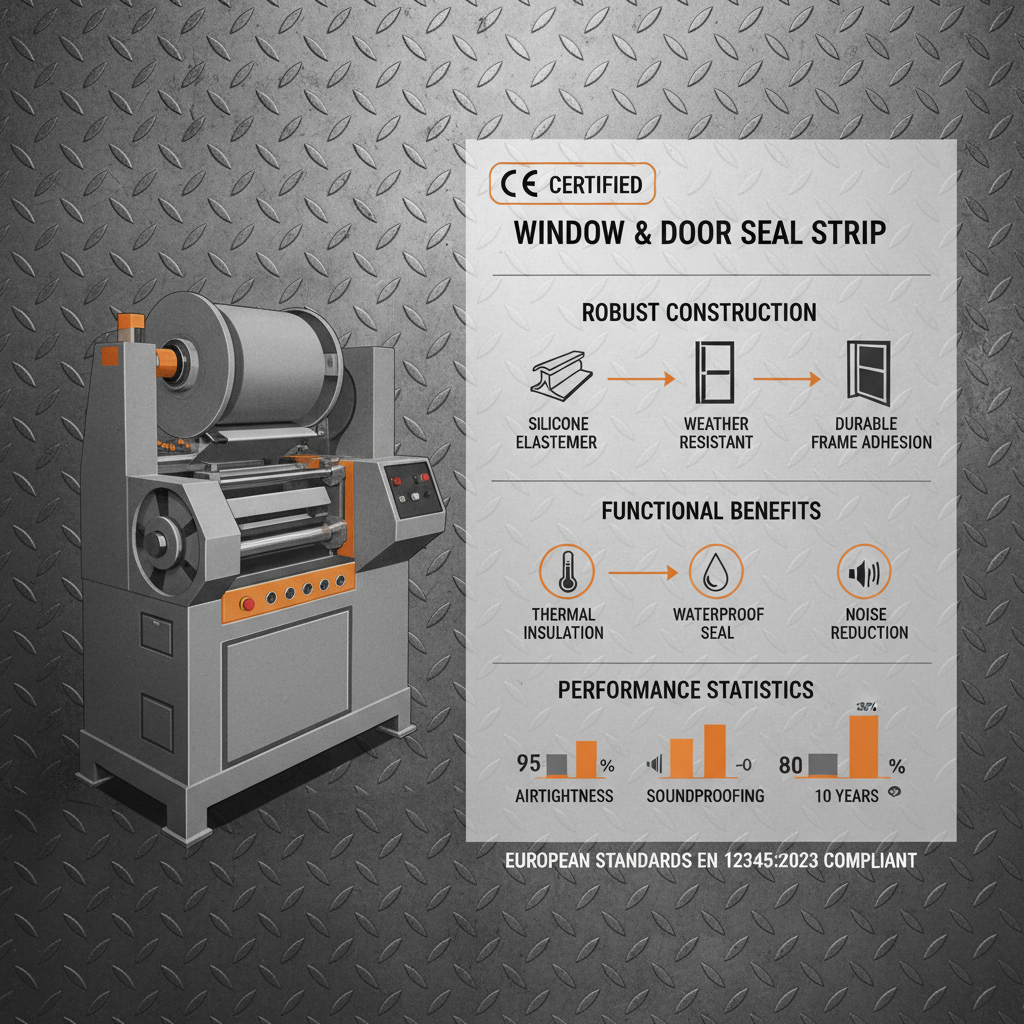
Selecting the appropriate window door seal strip requires considering several factors. First, identify the type of window or door and the gap you need to seal. Then, choose a material that is compatible with the surrounding materials and the climate. Ensure the seal strip is CE certified to guarantee compliance with safety standards. Finally, consider the installation method and choose a strip that is easy to install and maintain. Pulongte offers expert advice and a wide selection of high-quality seal strips to help you find the perfect solution.
Conclusion: Investing in Quality Sealing Solutions
Choosing CE certified window door seal strips is a crucial investment in the longevity and efficiency of your buildings. Proper sealing not only reduces energy costs and protects against the elements but also contributes to a healthier and more comfortable indoor environment. With Pulongte, you can be confident you are getting high-quality, reliable products that meet the highest safety standards.
Frequently Asked Questions (FAQs)
What are the benefits of using CE certified seal strips?
CE certification assures you that the seal strip meets stringent European health and safety standards, offering superior quality and reliability. It demonstrates the product has been thoroughly tested for performance, durability, and safety, minimizing the risk of premature failure and potential issues. This certification also legally permits the sale of the product within the European Economic Area (EEA), providing peace of mind and ensuring compliance.
How often should window and door seal strips be replaced?
The lifespan of seal strips varies depending on the material, exposure to weather conditions, and usage. Generally, it’s recommended to inspect them annually and replace them every 5-10 years. However, if you notice cracks, brittleness, or a significant loss of elasticity, it's time for a replacement. Regular maintenance and timely replacement ensure optimal performance and prevent energy loss.
What types of windows and doors are suitable for these seal strips?
Our seal strips are versatile and suitable for a wide range of windows and doors, including aluminum, PVC, wood, and composite frames. They can be used on casement windows, sliding doors, hinged doors, and more. Pulongte offers various profiles and sizes to accommodate different gap widths and frame designs, ensuring a perfect fit for your specific application.
Are these seal strips easy to install?
Many of our seal strips are designed for easy DIY installation. They typically come with an adhesive backing, allowing for a quick and secure application. However, proper surface preparation is crucial for optimal adhesion. We recommend cleaning the surface thoroughly before applying the seal strip. For more complex installations or if you're unsure, professional installation is recommended.
-
Premium ce certification aluminumplastic edge strip for Safety
NewsApr.16,2026
-
Benefits of CE Certification Garage Door Weather Seal Strip for Home
NewsApr.09,2026
-
CE Certification Bath Seal Strip Screwfix A Comprehensive Guide
NewsApr.07,2026
-
CE Certification Elan 2S Chrome Rocker Trim Strip A Comprehensive Guide
NewsApr.04,2026
-
CE Certification LED Signs and Trim Cap Solutions for Enhanced Safety
NewsMar.31,2026
-
CE Certification D Shaped Rubber Seal Strip for Industrial Applications
NewsMar.28,2026