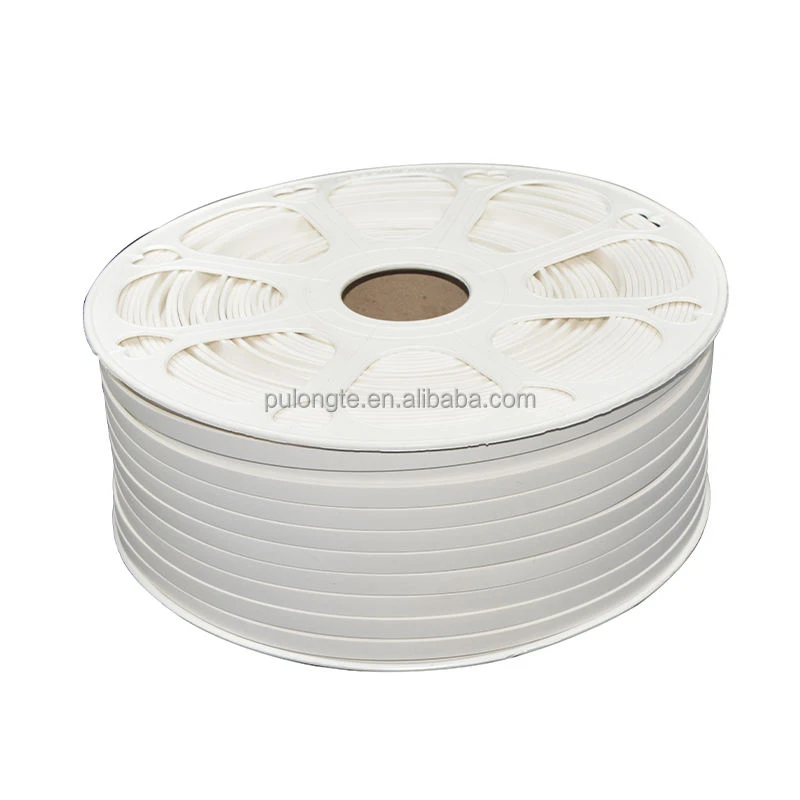
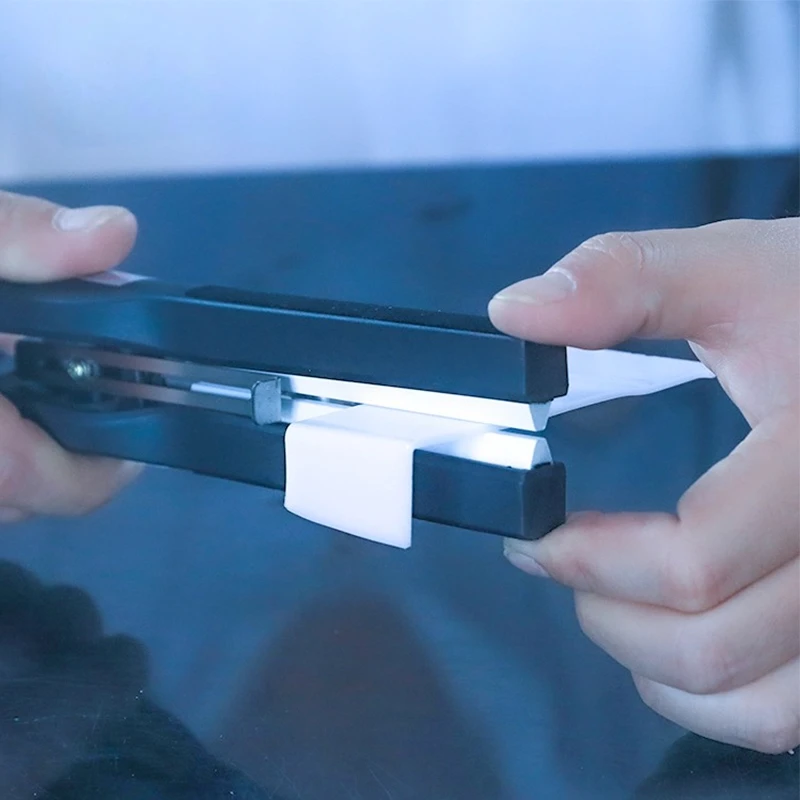
High-Performance adhesive sealing strip Solutions for Egypt's Industrial Sector

Engineered for extreme climates, providing superior airtight and watertight protection for the Egyptian manufacturing and construction markets.

Current State of Rubber Sealing in Egypt

Analyzing the impact of Egypt's arid climate and industrial growth on sealing material requirements.

Egypt's manufacturing landscape is currently facing a critical challenge: the extreme temperature fluctuations and high UV exposure of the North African climate cause standard rubber seal strip products to degrade and crack prematurely. This leads to increased energy loss in HVAC systems and decreased equipment longevity.

In urban centers like Cairo and Alexandria, the prevalence of fine desert sand necessitates a more robust sealing strip that can maintain a tight compression seal under abrasive conditions. The market is shifting from low-cost generic rubbers to high-performance elastomers that offer better ozone resistance.

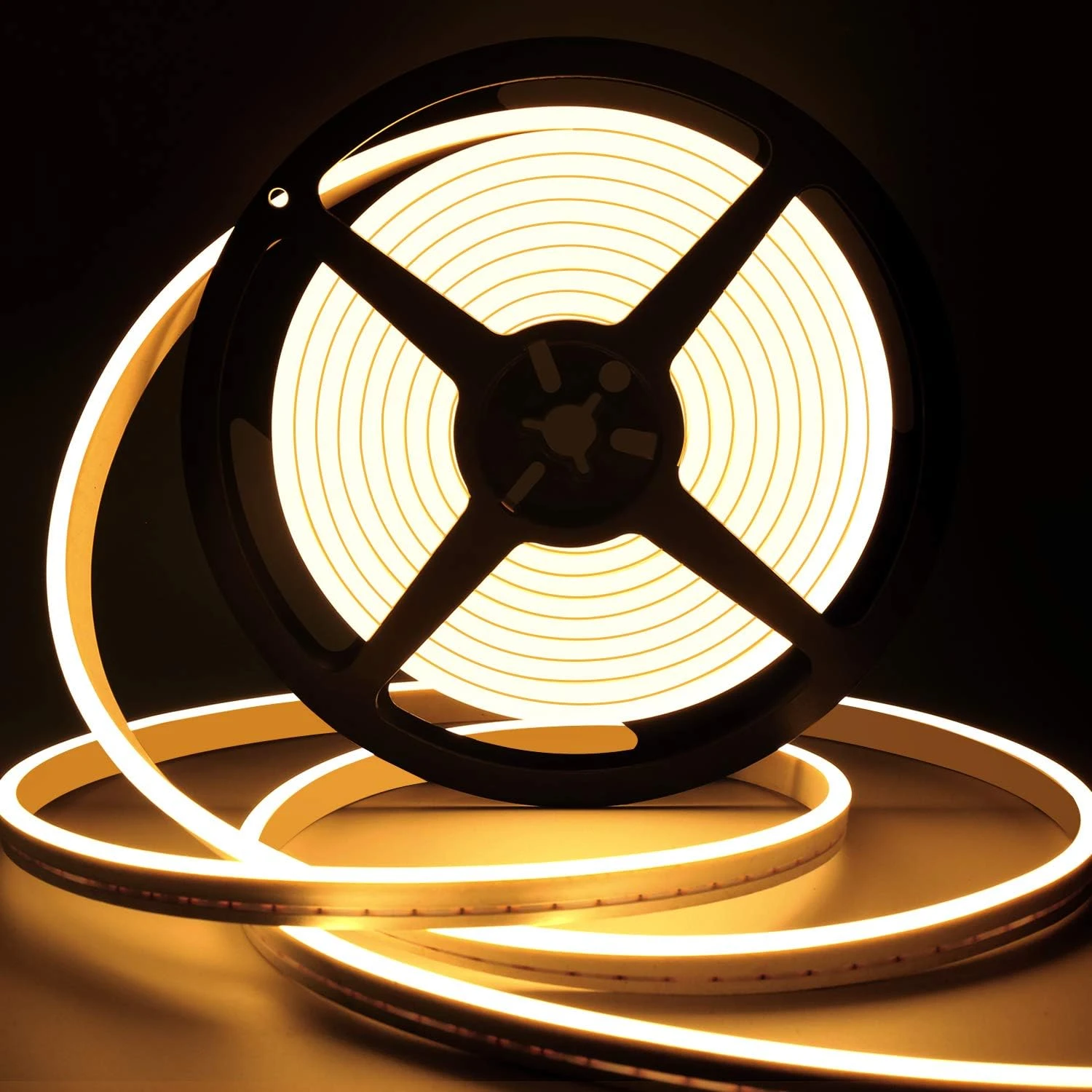
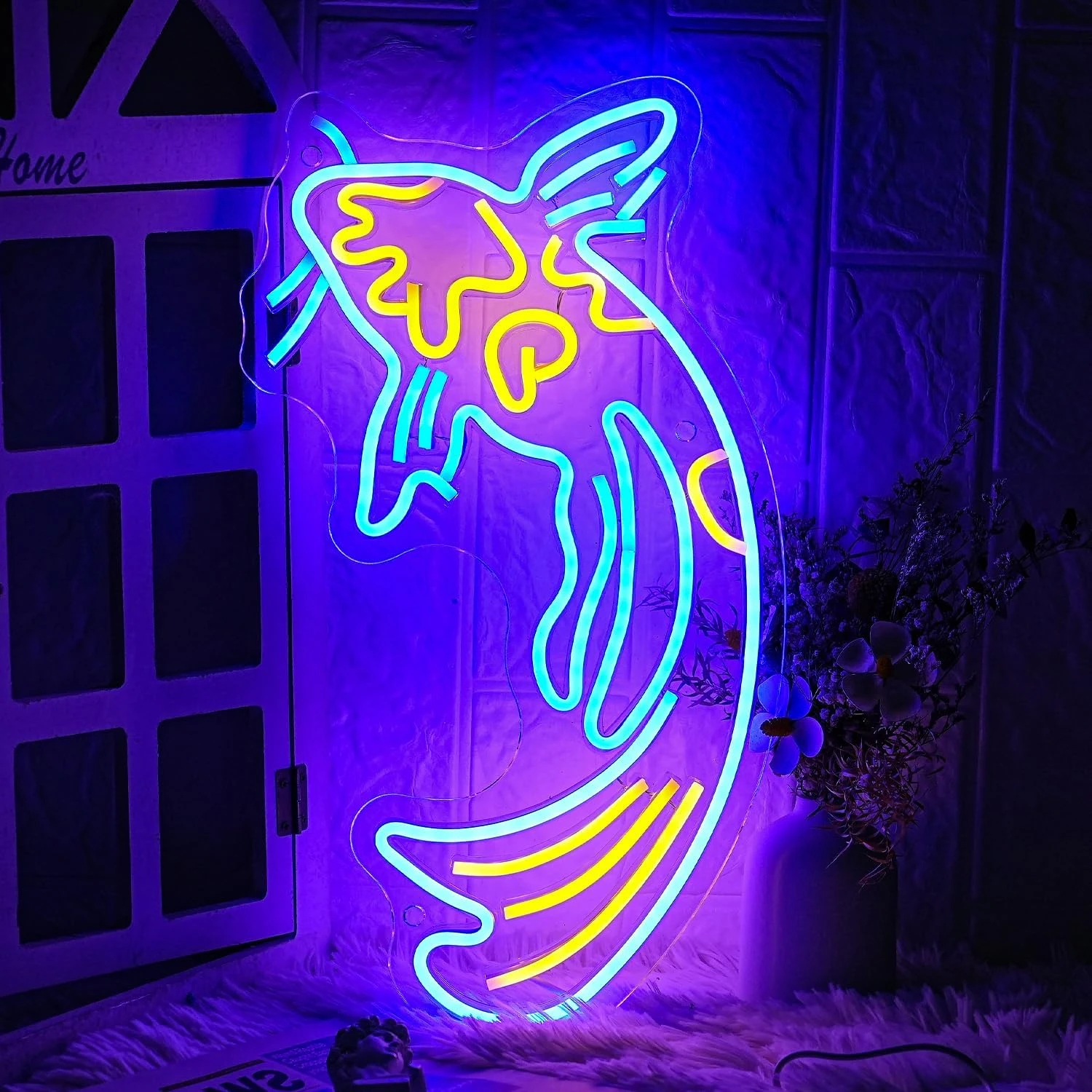
Furthermore, the expansion of the Egyptian electronics and signage industry has spiked the demand for specialized light box silicone strip components, as local businesses upgrade to energy-efficient LED displays that require precise moisture protection against humid coastal air.
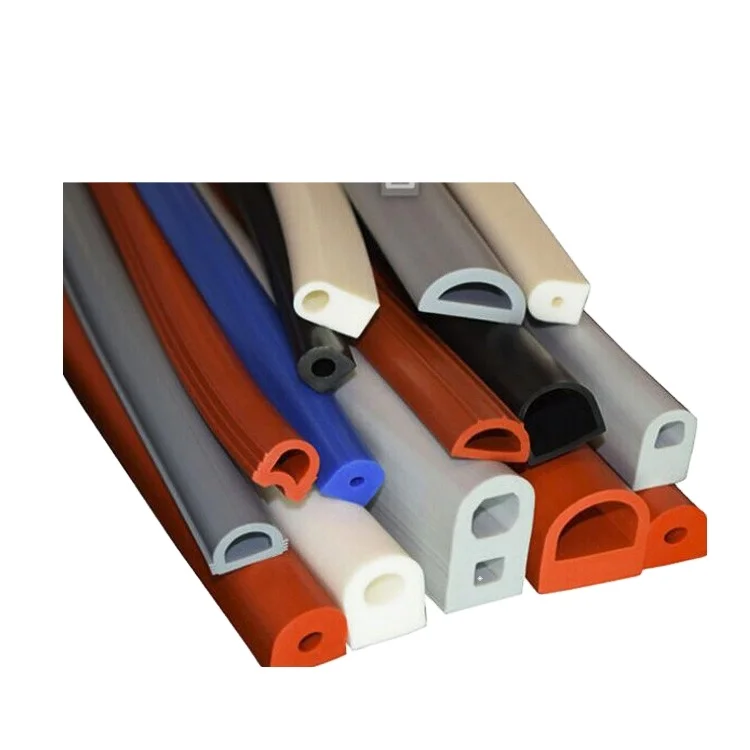
Evolution of Rubber Sealing Technology in Egypt

From basic natural rubber to advanced high-polymer composites.

Market Development History

Between 1990 and 2010, the Egyptian market relied heavily on basic natural rubber and low-grade PVC. These materials were sufficient for simple gaskets but failed rapidly under the intense Egyptian sun, leading to frequent replacement cycles in the automotive and construction sectors.

From 2011 to 2020, there was a significant transition toward EPDM and Silicone. The introduction of high polymer abs strips allowed for more rigid structural sealing in industrial machinery, providing better dimensional stability and impact resistance than previous iterations.

In the current era (2021-Present), the focus has shifted to "Smart Sealing." This involves the integration of advanced adhesives and multi-material co-extrusion, ensuring that sealing systems are not only durable but also easy to install without specialized heavy machinery.

Future Development Trends

Eco-Friendly Polymer Integration

Driven by global sustainability goals, Egypt is seeing a rise in recyclable TPE and bio-based polymers to replace traditional petroleum-based rubber.

Extreme Temperature Specialization

Development of materials capable of withstanding 80°C+ surface temperatures without losing elasticity, specifically for the solar energy infrastructure in the Egyptian desert.

Automated Precision Fitting

A move toward customized CNC-cut sealing profiles to reduce material waste and improve the airtightness of industrial enclosures.

Future Outlook for Egypt's Sealing Industry

Anticipating the next 5 years of technological leaps in rubber and plastic manufacturing.

UV-Resistant Material Shift
Increasing adoption of UV-stabilized polymers to prevent degradation in Egypt's high-solar-radiation zones.
Smart Adhesive Systems
Implementation of heat-activated adhesives for faster industrial assembly in Egyptian factories.
Precision Co-Extrusion
Advanced manufacturing of dual-material strips for combined rigidity and flexibility.
Dust-Proof Certification
Development of IP-rated sealing standards specifically for Egypt's sandy environment.

Industry Outlook

Based on Google search trends in the MENA region, there is a rising demand for specialized polymer materials that combine thermal insulation with airtight sealing. We expect the market to move away from generic imports toward customized, engineered solutions that address the specific salinity of the Nile Delta and the dry heat of the interior.

The integration of additive manufacturing (3D printing) for prototype seals will likely reduce the lead time for Egyptian manufacturers, allowing for rapid iterative testing of sealing profiles before mass production.

Localized Applications in Egypt

Real-world deployments of our sealing solutions across Egypt's key sectors.

1. Cairo Metro & Transportation Infrastructure

Implementation of heavy-duty sealing strip systems in rolling stock to prevent desert dust infiltration and reduce noise pollution in dense urban tunnels.

2. Alexandria Port Marine Equipment

Using saltwater-resistant polymers for sealing industrial hatches and containers, ensuring corrosion protection in the high-humidity Mediterranean coastal environment.

3. Giza Commercial LED Signage

Deployment of high-clarity light box silicone strip for outdoor advertising displays, providing UV stability and waterproofing against rare but intense rainstorms.

4. New Administrative Capital Construction

Integration of high polymer abs strips in modern curtain wall systems to ensure thermal efficiency and airtightness in government architectural projects.

5. Suez Canal Industrial Logistics

Application of industrial-grade adhesive sealing strip for sealing large-scale cargo holds and shipping equipment used in transit logistics.

Brand Story

Global Development History of Hebei Pulongte Rubber and Plastic Technology Co., Ltd.

Foundational Excellence

Started with a focus on core rubber extrusion, solving the basic durability issues of industrial gaskets for local markets.

Material Innovation

Invested in R&D to develop advanced silicone and ABS blends, expanding our capabilities into high-precision sealing.

Global Market Entry

Expanded exports to Africa and the Middle East, tailoring product formulations for high-temperature environments.

Quality Standardization

Achieved international ISO certifications, ensuring every strip meets rigorous global standards for airtightness and longevity.

Sustainable Future

Now pioneering eco-friendly, recyclable polymer solutions to support a greener manufacturing industry worldwide.

Common Questions for the Egyptian Market

Expert answers to the most frequent technical queries from our local partners.

Which rubber seal strip is best for high-heat environments in Egypt?

For extreme heat and UV exposure, we recommend EPDM or high-grade silicone. These materials maintain flexibility and sealing integrity even when surface temperatures exceed 70°C.

How does the adhesive sealing strip perform in sandy conditions?

Our industrial adhesives are formulated to be dust-resistant, ensuring a strong bond that prevents fine particles from penetrating the seal interface.

Can light box silicone strip be used for outdoor signage in Cairo?

Yes, our silicone strips are specifically UV-stabilized to prevent yellowing and cracking, making them ideal for Egypt's high-exposure outdoor advertising.

What are the advantages of high polymer abs strips over PVC?

ABS strips offer superior impact resistance and better dimensional stability, which is critical for industrial machinery components that experience vibration.

How long does a professional sealing strip typically last in Egypt?

Depending on the material, our high-performance seals are designed to last 5-10 years, significantly outperforming generic rubber options.

Do you provide custom profiles for specialized industrial equipment?

Yes, we offer full customization based on CAD drawings to ensure a perfect fit for specific Egyptian industrial applications.

Ready to Optimize Your Sealing Systems?

Get professional technical consultation and high-durability rubber solutions tailored for Egypt.

Contact Us Now

If you are interested in our products, you can choose to leave your information here, and we will be in touch with you shortly.