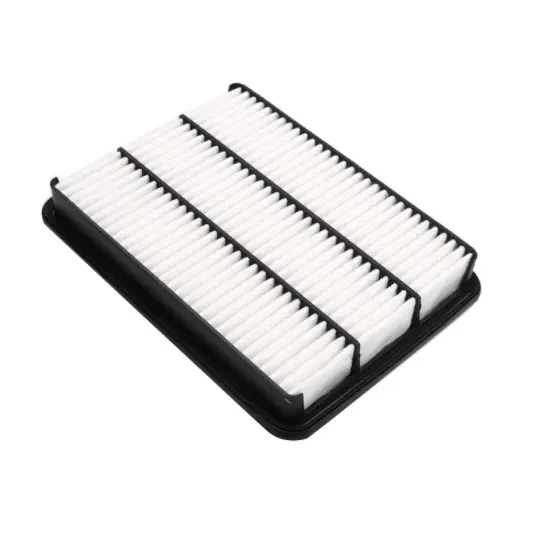
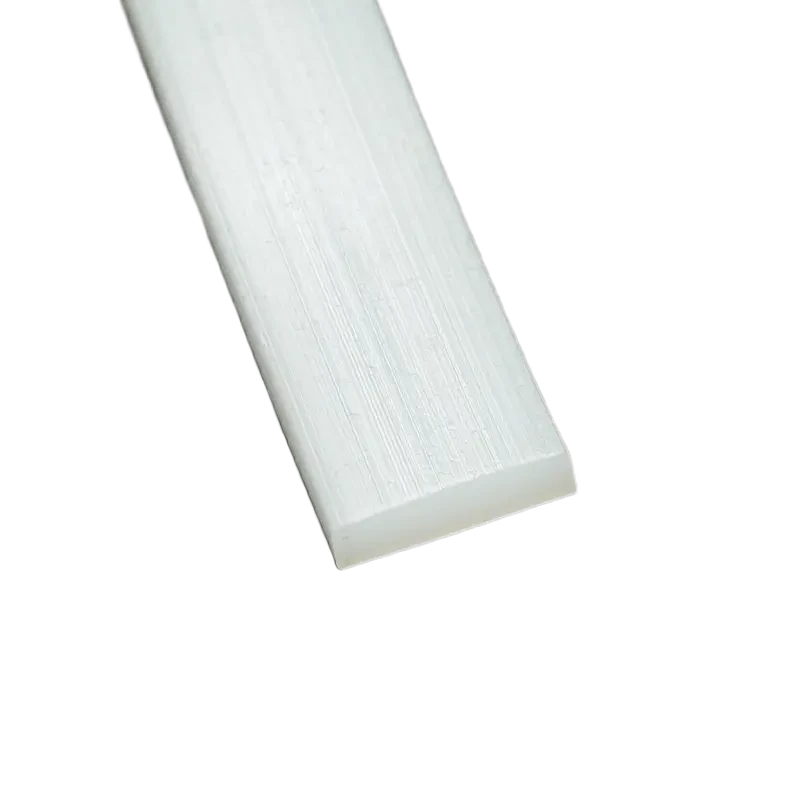
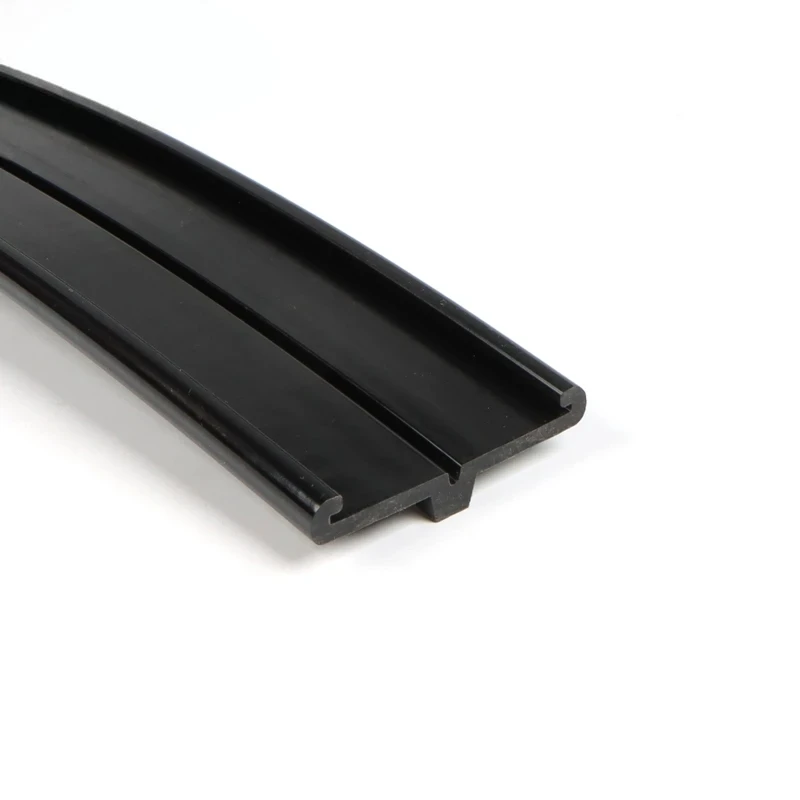
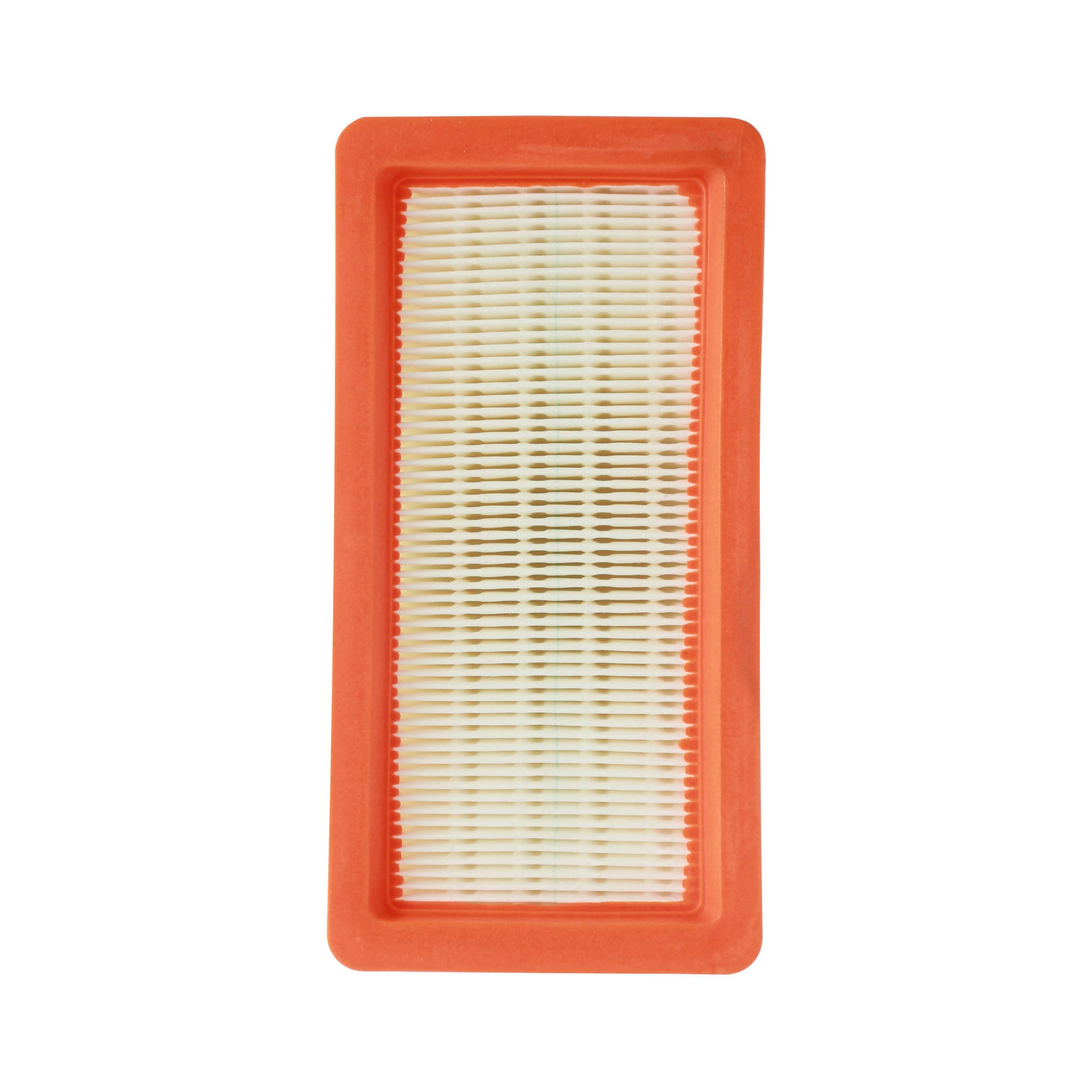
High-Performance sealing strip Solutions for Venezuela's Industrial Infrastructure

Engineering durable, weather-resistant rubber and polymer sealing systems tailored for the challenging tropical and industrial environments of the Venezuelan market.

Industrial Sealing Status in South America - Venezuela

Analyzing the intersection of environmental stress and material durability in the local rubber manufacturing sector.

In Venezuela, the rubber and plastics industry faces unique challenges due to extreme humidity and UV exposure. The demand for a high-quality rubber seal strip is driven primarily by the oil, gas, and automotive maintenance sectors, where sealing failures can lead to significant operational downtime.

Local infrastructure often relies on legacy systems, creating a critical need for modern adhesive sealing strip products that can be installed quickly without complex machinery, reducing labor costs in volatile economic conditions.

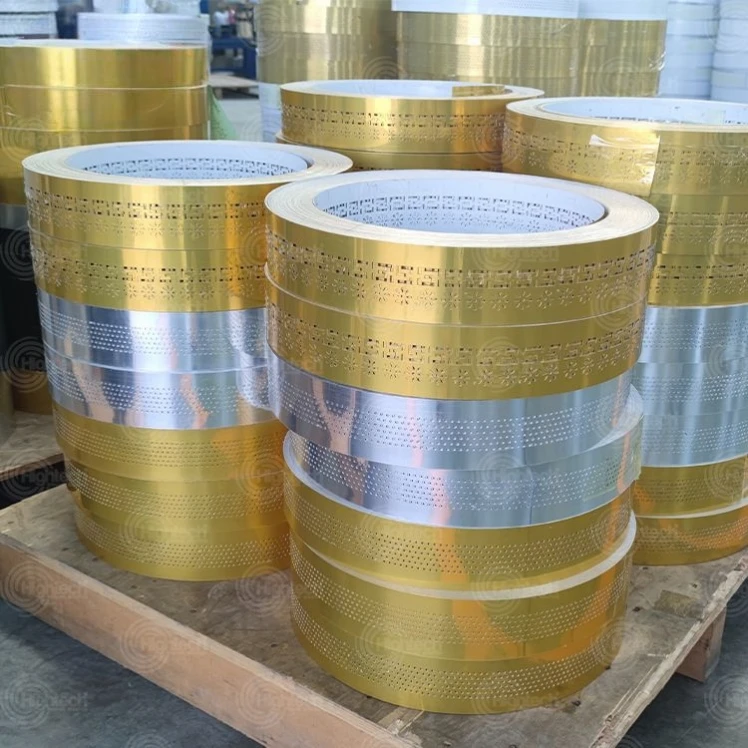
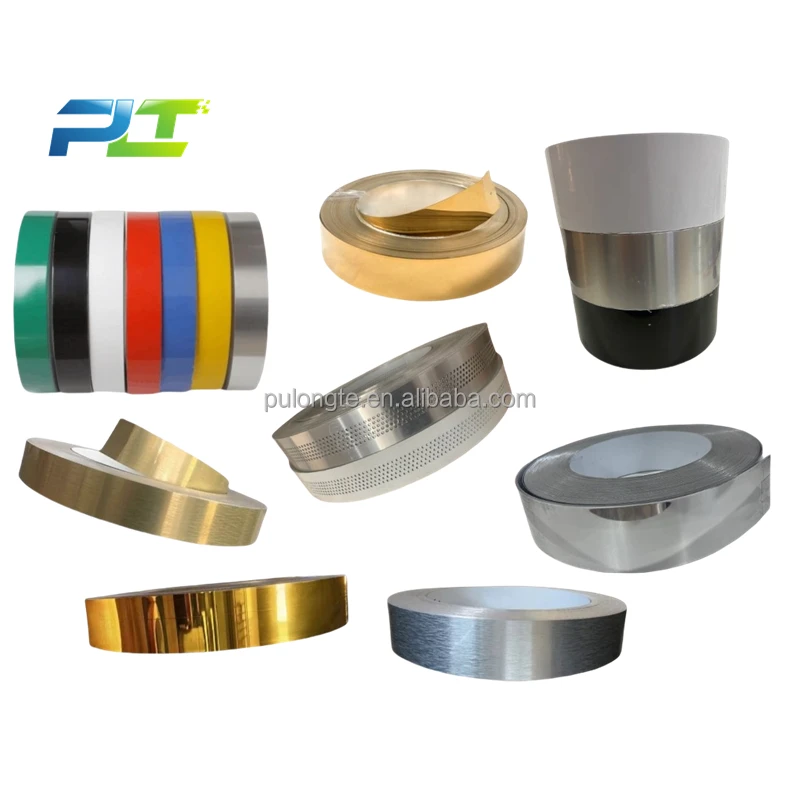
Furthermore, the rise of urban commercial signage in cities like Caracas has increased the adoption of specialized light box silicone strip components, requiring materials that can withstand temperature fluctuations without losing elasticity or transparency.
Evolution of Sealing Technology in Venezuela

From traditional natural rubber to high-polymer engineered composites.

Market Development History

Between 1980 and 2000, the Venezuelan market relied heavily on basic vulcanized rubber. These early iterations lacked the ozone resistance required for tropical climates, leading to frequent cracking and leakage in industrial pipelines.

From 2000 to 2015, there was a transition toward synthetic polymers. The introduction of high polymer abs strips allowed for more rigid and durable structural sealing, bridging the gap between flexible rubber and hard plastics.

Since 2015, the focus has shifted toward "Smart Sealing." The integration of advanced adhesives and UV-stabilized silicone has redefined the lifespan of seals in the region, focusing on long-term maintenance reduction.

Future Development Trends

Eco-Friendly Material Transition

Driven by global standards, Venezuela is seeing a shift toward recyclable TPE and low-VOC materials to replace traditional petroleum-based rubber.

Enhanced UV Resistance

Next-generation formulations will focus on nano-composite coatings to prevent the degradation caused by the intense South American sun.

Precision Customization

The adoption of CNC-cut seals and customized profiles to fit legacy machinery precisely, reducing waste and installation time.

Industry Trends and Future Outlook

Strategic directions for the rubber and plastic sealing industry in Venezuela.

Climate-Adaptive Polymers
Development of materials that maintain elasticity from the Andean highlands to the coastal plains of Venezuela.
Hybrid Sealing Integration
Combining high polymer abs strips with flexible rubber for reinforced industrial gaskets.
Rapid Installation Tech
Growth in pre-applied adhesive systems to minimize downtime in critical Venezuelan energy infrastructure.
Automated Precision Molding
Implementation of AI-driven extrusion to ensure zero-defect tolerance for specialized industrial seals.

Industry Outlook

The next 3-5 years will see a surge in demand for specialized silicone-based products as Venezuela upgrades its commercial lighting and electronic housing sectors. Google search trends indicate a growing interest in "long-lasting industrial seals" and "weather-proof polymer strips."

We anticipate a consolidation of the market where only manufacturers capable of providing EPDM and silicone blends with certified UV resistance will dominate the Venezuelan landscape.

Localized Application Scenarios in Venezuela

Real-world deployments of advanced sealing materials in regional industries.

01. Oil & Gas Pipeline Maintenance

Using heavy-duty rubber seal strip components in the Orinoco Belt to prevent corrosive leaks in high-pressure transport systems.

02. Urban Commercial Signage

Installation of light box silicone strip in Caracas shopping districts to protect LED modules from tropical rain and dust.

03. Automotive Glass & Door Sealing

Deploying weather-resistant sealing strip profiles for fleet vehicles operating in the high-humidity coastal regions.

04. Industrial HVAC Systems

Integrating adhesive sealing strip solutions in cooling warehouses to maintain temperature stability and energy efficiency.

05. Construction Window Framing

Utilizing high polymer abs strips for structural sealing in modern architectural projects in Valencia and Maracaibo.

Brand Story

Global Development Journey of Hebei Pulongte Rubber and Plastic Technology Co., Ltd.

Foundational Precision

Established with a mission to solve the core problem of material degradation in industrial seals through rigorous polymer research.

Technological Breakthrough

Developed proprietary vulcanization processes that significantly increased the UV and heat resistance of rubber products.

Global Expansion

Expanded operations to South America, adapting product lines to meet the specific environmental demands of the Venezuelan market.

Quality Certification

Achieved international ISO standards, ensuring that every sealing strip meets global safety and durability benchmarks.

Sustainability Leadership

Leading the transition toward green manufacturing and recyclable sealing materials for a sustainable industrial future.

Common Questions in Venezuela

Expert answers to technical queries regarding rubber and polymer sealing applications.

How does the tropical climate of Venezuela affect rubber seal strip longevity?

High UV exposure and humidity can cause standard rubber to oxidize and crack. We recommend EPDM or silicone-based strips which offer superior ozone resistance and thermal stability.

What is the best adhesive sealing strip for high-humidity industrial environments?

For humid conditions, we utilize acrylic-based high-bond adhesives that create a waterproof seal, preventing moisture ingress and mold growth behind the sealing profile.

Can light box silicone strip withstand the temperature swings in the Andes region?

Yes, our silicone strips are engineered to remain flexible from -40°C to 200°C, ensuring they won't become brittle in colder mountain climates or melt in coastal heat.

When should I choose high polymer abs strips over traditional rubber?

ABS strips are ideal when structural rigidity and impact resistance are required, such as in window framing or heavy machinery panels where a flexible rubber seal would deform.

How do I ensure a proper fit for custom sealing strip profiles?

We provide precision CAD design services to match your specific machinery dimensions, ensuring a vacuum-tight fit that eliminates the need for excessive fillers.

Are your sealing solutions compatible with oil-based chemicals used in Venezuelan refineries?

We offer specialized Nitrile (NBR) and Viton compounds specifically designed for oil and chemical resistance, preventing swelling and degradation in refinery settings.

Request a Technical Consultation

Partner with the leading experts in rubber and polymer engineering to optimize your infrastructure in Venezuela.

Contact Us Now

If you are interested in our products, you can choose to leave your information here, and we will be in touch with you shortly.