The global demand for high-performance waterproofing solutions has led many procurement managers to prioritize strict quality benchmarks, specifically when they ce cetification buy shower door seal strip options. In the rubber and plastics manufacturing sector, the transition toward certified sealing materials is no longer a luxury but a requirement for maintaining structural integrity in wet-room environments.
Ensuring a watertight seal involves more than just material thickness; it requires a precise combination of elastomer elasticity, chemical resistance, and compliance with safety standards. The challenge for many engineers lies in balancing cost-efficiency with long-term durability, especially as environmental regulations tighten regarding the use of phthalates and other volatile organic compounds in synthetic rubbers.
This analysis explores the technical criteria for selecting certified sealing strips, the material science behind their longevity, and how specialized manufacturers integrate these requirements into the production of industrial-grade rubber profiles.


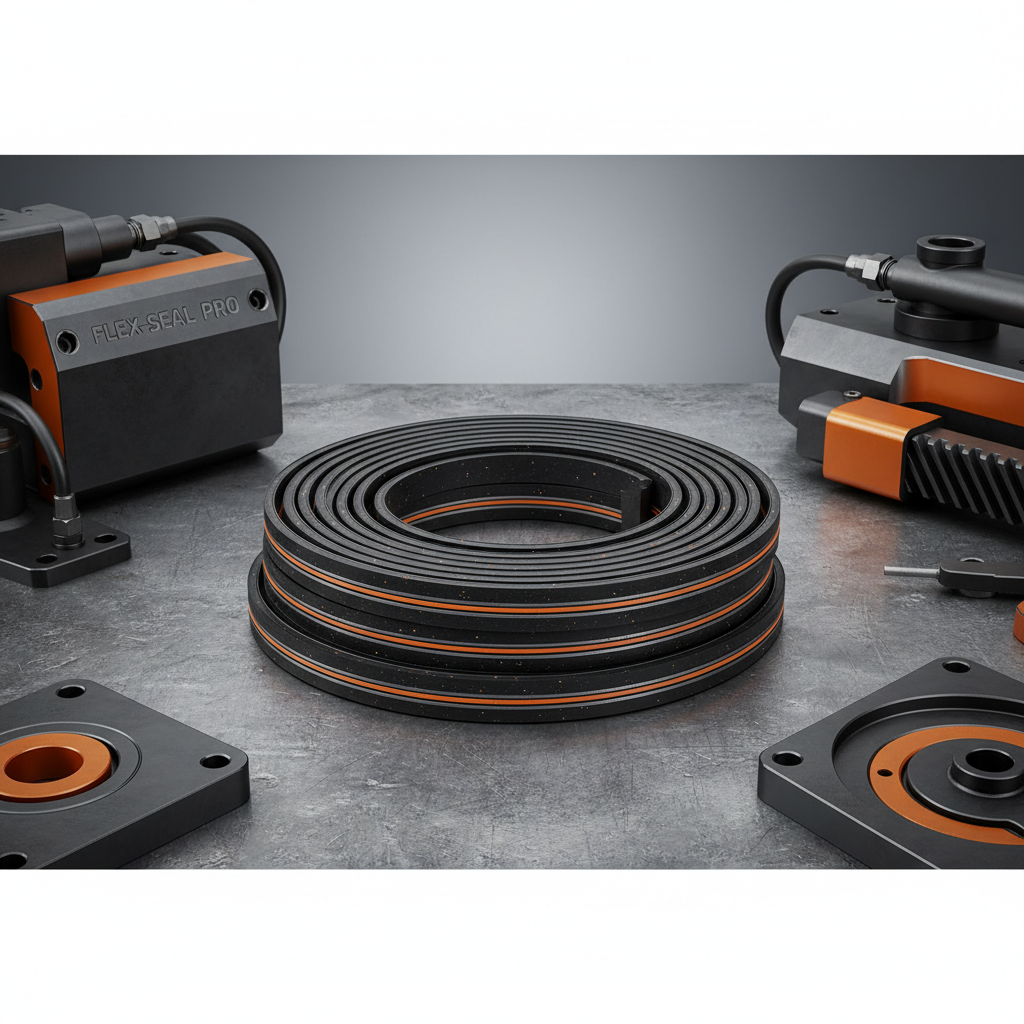
Most professional-grade sealing strips utilize an extrusion process combining EPDM (Ethylene Propylene Diene Monomer) or TPE (Thermoplastic Elastomer). These materials are selected for their inherent resistance to UV radiation and moisture, ensuring that the seal does not embrittle over time when exposed to humidity and cleaning agents.
The internal structure often involves a dual-durometer design, where a softer outer lip ensures a tight seal against the glass, while a harder inner core provides the structural rigidity necessary for easy installation and stable positioning.
Achieving a complete seal requires careful consideration of the compression set. This is the permanent deformation that remains after a material has been compressed for a period; a low compression set is critical for sealing strips because it ensures the material returns to its original shape, maintaining the pressure against the surface.
Furthermore, surface friction coefficients must be optimized. If the friction is too high, the seal may drag or tear the glass surface; if it is too low, the strip may slide out of position during use. Engineering the exact shore hardness (typically between 40A and 70A) is the primary method for achieving this balance.
Thermal expansion must also be factored into the length specifications. Since rubber and glass expand at different rates, the seal must be capable of absorbing these dimensional changes without buckling or creating gaps that lead to leaks.
Certification serves as a proxy for technical reliability, validating that the manufacturing process follows standardized quality control protocols. For buyers, verifying certifications ensures that the material has undergone rigorous testing for tensile strength, elongation at break, and ozone resistance.
Beyond safety, certifications often mandate the absence of hazardous chemicals. This is particularly important for products used in bathrooms and kitchens, where skin contact and ventilation constraints make material purity a significant health consideration.
Measuring the efficacy of a sealing strip involves several standardized metrics. From a technical perspective, the "leakage rate under pressure" and "UV degradation index" are the most telling indicators of a product's lifespan.
To provide a clear comparison, the following normalized assessment evaluates different material profiles based on common industry performance indicators.
In high-traffic commercial environments, such as hotels and gyms, the sealing requirements are significantly more stringent than in residential settings. Constant exposure to industrial cleaning chemicals and frequent physical impact necessitates the use of reinforced rubber profiles that offer superior abrasion resistance.
A typical deployment scenario involves the integration of the seal strip into a frameless glass system. In this setup, the seal must provide not only waterproofing but also a degree of vibration damping to prevent the glass panels from rattling during operation, illustrating the multidisciplinary nature of seal engineering.
The industry is currently moving toward "bio-based elastomers," which aim to reduce the carbon footprint of rubber production without compromising the physical properties of the seal. Researchers are focusing on sustainable polymers that maintain the same hydrophobic properties as traditional synthetic rubbers.
Another emerging trend is the use of antimicrobial additives embedded directly into the rubber matrix. This prevents the growth of mold and mildew on the surface of the seal, which is one of the most common failure points in bathroom installations.
Furthermore, 3D printing and additive manufacturing are beginning to allow for "custom-profile" seals. This enables engineers to design seal geometries that are perfectly tailored to the unique curves of bespoke architectural glass, moving away from standard off-the-shelf sizes.
Selecting the right sealing strip requires a trade-off analysis between cost, longevity, and specific application requirements. Not every project requires the highest grade of silicone; often, a high-quality TPE or EPDM is more than sufficient for standard residential use.
Buyers should evaluate products based on their specific operating environment—considering factors like temperature fluctuations, water hardness, and the frequency of cleaning.
The following matrix provides a framework for comparing different configuration profiles based on industry baseline performance.
| Profile Type | Durability Rating | Chemical Resistance | Recommended Use Case |
|---|---|---|---|
| Basic PVC | Low | Moderate | Budget Residential |
| Standard TPE | Medium | High | General Purpose |
| High-Duty EPDM | High | Very High | Commercial Wet-rooms |
| Precision Silicone | Very High | Extreme | Medical / High-End |
| Hybrid Blend | Medium-High | High | Mixed-Use Projects |
| Industry Baseline | Moderate | Moderate | Standard Installation |
A CE certification indicates that the product meets the health, safety, and environmental protection standards set by the European Economic Area. For sealing strips, this typically involves validation of the material's chemical composition to ensure it is non-toxic and that the manufacturing process adheres to consistent quality control standards, reducing the risk of premature degradation.
Shore hardness depends on the gap size and the desired sealing pressure. A softer material (e.g., 40A) is better for irregular surfaces where high conformability is needed. A harder material (e.g., 70A) is preferred for structural stability and durability in high-traffic areas. Most standard applications use a medium hardness to balance seal tightness with ease of movement.
Yes, TPE is often an excellent substitute for silicone due to its recyclability and cost-effectiveness. While silicone generally has superior thermal stability, high-grade TPE offers comparable waterproof performance and better abrasion resistance, making it suitable for most residential and commercial shower applications.
This is usually the result of UV degradation or oxidation. When the elastomer lacks sufficient UV stabilizers or is exposed to harsh chemical cleaners, the polymer chains break down, leading to a loss of elasticity and discoloration. Using certified materials with UV-resistant additives significantly extends the service life.
Certified strips are manufactured with tighter dimensional tolerances. This means they fit more precisely into the glass channels, reducing the need for adhesives or forced fitting, which can stress the glass. Precise tolerances ensure a consistent seal across the entire length of the door, preventing localized leaks.
Silicone is naturally more resistant to mold than PVC, but for the best results, look for elastomers that incorporate antimicrobial agents. These additives inhibit the growth of fungi and bacteria within the rubber matrix, maintaining both the hygiene and the aesthetic appearance of the seal over several years.
The selection of a sealing system is a critical decision that impacts the long-term viability of any wet-room installation. By prioritizing certified materials and understanding the relationship between elastomer hardness and compression set, procurement professionals can significantly reduce maintenance costs and improve end-user satisfaction.
As the industry moves toward more sustainable and antimicrobial materials, the gap between basic and premium seals will continue to widen. For those seeking a balance of technical precision and regulatory compliance, consulting with specialized manufacturers who focus on custom extrusion profiles is the most reliable path to ensuring a permanent, watertight solution.