0%

Table of Contents

Sealing strip, often overlooked, plays a crucial role in modern industries and daily life. From automotive manufacturing to building construction and even household appliances, these flexible components prevent the ingress of dust, water, air, and noise, ensuring efficiency, safety, and longevity. Understanding the nuances of sealing strip technology is paramount for optimizing performance and reducing operational costs across a diverse range of applications.

Globally, the demand for high-quality sealing strip is steadily increasing, driven by factors such as stringent environmental regulations, the growing emphasis on energy conservation, and the expanding construction and automotive sectors. The market is projected to continue its upward trajectory, with innovations in materials and design constantly emerging to meet the evolving needs of various industries. A comprehensive grasp of these trends is vital for businesses and professionals seeking to remain competitive.

At its core, sealing strip provides a critical barrier against external elements, contributing significantly to product durability and performance. Its effective implementation directly translates to energy savings, reduced maintenance, and enhanced user experience. A well-chosen sealing strip solution isn’t simply an add-on; it’s an integral part of a well-engineered system.
The Critical Role of Sealing Strip in Modern Industries and Daily Life

The Significance of Sealing Strip

The Critical Role of Sealing Strip in Modern Industries and Daily Life

The importance of sealing strip extends far beyond simple containment. It's a vital component in maintaining the integrity and efficiency of countless systems. Consider the automotive industry, where sealing strip prevents water leakage, reduces wind noise, and enhances vehicle comfort. Without it, passenger safety and the vehicle's overall lifespan would be significantly compromised.

Moreover, effective sealing solutions contribute to substantial energy savings by minimizing air leakage in buildings and industrial facilities. This, in turn, reduces heating and cooling costs, lessening environmental impact. Properly installed sealing strip is an investment that yields both financial and ecological benefits.

Defining Sealing Strip

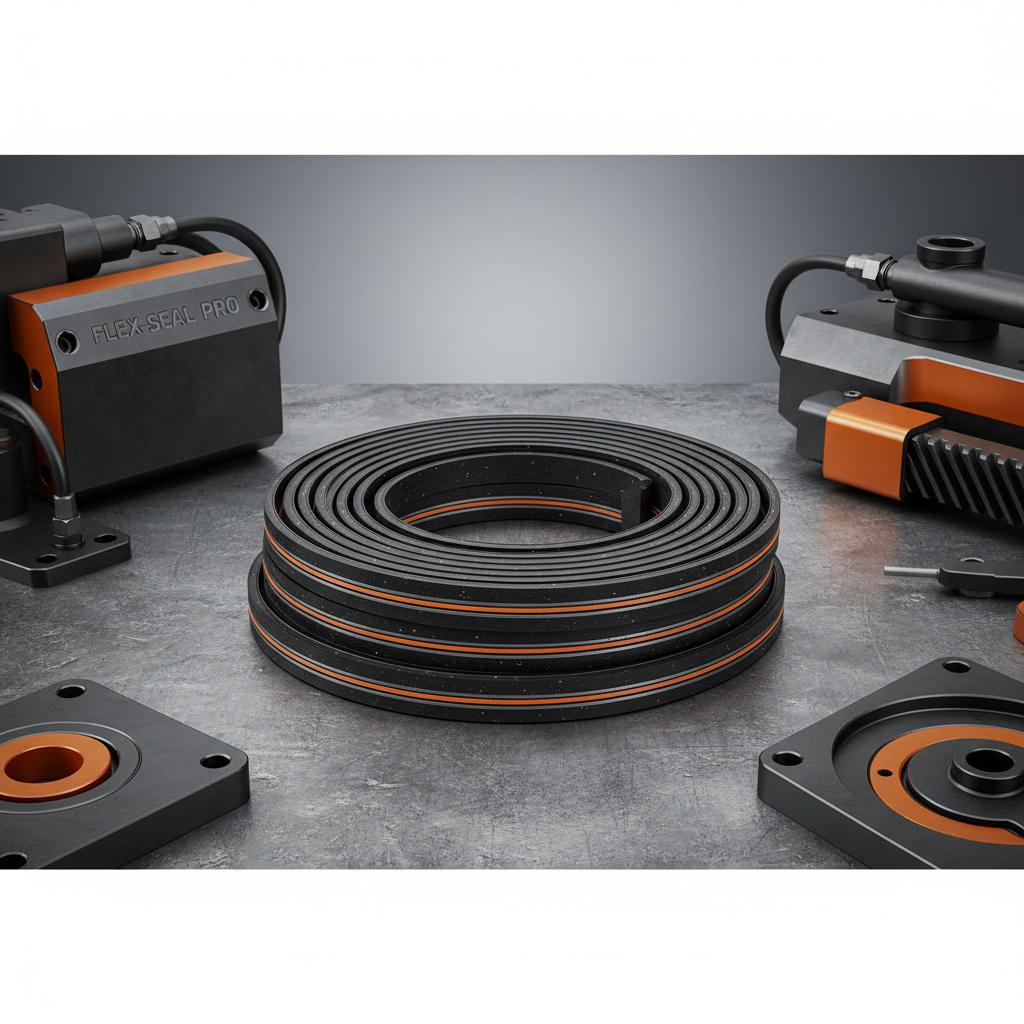
Sealing strip, in its most basic form, is a flexible material designed to create a barrier between two surfaces. This barrier prevents the passage of fluids, gases, particles, and sound. These strips come in a variety of materials including rubber, silicone, foam, and plastic, each offering unique properties suited to different applications.

The connection to modern industry is undeniable. Sealing strip is integral to manufacturing processes, quality control, and product reliability. From ensuring a hermetic seal in electronic devices to safeguarding food packaging from contamination, it’s a critical element in maintaining standards and delivering safe, effective products.

Beyond industry, sealing strip plays a critical role in humanitarian efforts. For example, in disaster relief, rapid deployment shelters often utilize specialized sealing strip to create weatherproof and insulated living spaces, providing safety and comfort to displaced populations.

Core Components of Effective Sealing Strip

The effectiveness of sealing strip relies on several key factors. First, Material Compatibility is crucial. The strip must be compatible with the surfaces it seals and the environment it will be exposed to, resisting degradation from chemicals, UV radiation, and temperature fluctuations. Choosing the correct material ensures a long service life and maintains the seal's integrity.

Secondly, Compression Set defines the strip's ability to recover its original shape after being compressed. A low compression set indicates long-term sealing performance. Materials with poor compression set characteristics will deform over time, leading to leaks and reduced effectiveness.

Thirdly, Adhesion Properties determine how well the strip adheres to the mating surfaces. Strong adhesion prevents gaps and ensures a continuous seal, particularly in dynamic applications where vibration or movement is present. Lastly, Dimensional Stability ensures the sealing strip maintains its shape and size over time, regardless of environmental conditions.

Key Performance Indicators

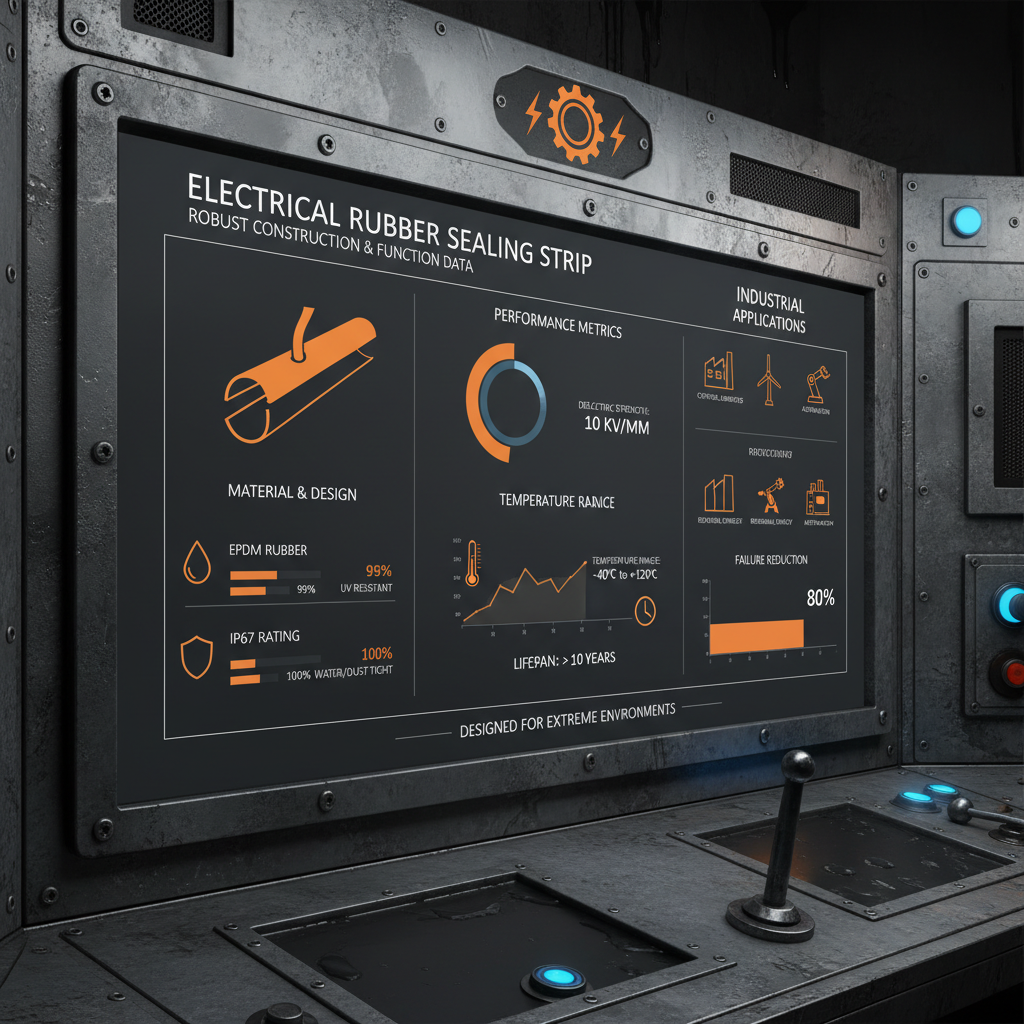
Assessing the performance of sealing strip requires evaluating several key metrics. These indicators provide a quantitative understanding of a strip's effectiveness and durability. Understanding these KPIs is essential for selecting the optimal solution for a given application.

Data analysis of these indicators, specifically around sealing strip performance, can lead to significant improvements in product design and manufacturing efficiency. Careful consideration of these elements can optimize the utilization of resources and contribute to long-term cost savings.

Sealing Strip Performance Metrics


Global Applications and Industry Impact

The application of sealing strip is remarkably diverse. In the automotive industry, it seals doors, windows, and trunks, ensuring passenger comfort and preventing corrosion. The construction sector utilizes sealing strip in windows, doors, and facades to improve energy efficiency and weather resistance. The aerospace industry relies on high-performance sealing strip to maintain cabin pressure and protect sensitive equipment.

In remote industrial zones, such as oil and gas platforms or mining operations, durable sealing strip protects machinery from harsh environments. Similarly, in post-disaster relief operations, waterproof sealing strip is vital in constructing temporary shelters and medical facilities.

Advantages and Long-Term Value Proposition

The advantages of utilizing high-quality sealing strip extend beyond immediate functionality. The cost savings associated with reduced energy consumption, minimized maintenance, and increased product lifespan represent a significant long-term value. Sealing strip protects against environmental factors that could otherwise lead to costly repairs or replacements.

From a sustainability perspective, effective sealing strip reduces energy waste, lowering carbon emissions and contributing to a more environmentally responsible operation. Furthermore, it enhances product reliability and safety, building trust with customers and strengthening brand reputation.

Future Trends and Innovations in Sealing Strip Technology

The future of sealing strip is marked by innovation. Researchers are exploring new materials with enhanced properties, such as self-healing polymers and bio-based compounds, to improve durability and reduce environmental impact. Automation and digital technologies are also playing a role, enabling precise application and quality control.

The integration of smart sensors within sealing strip could provide real-time monitoring of performance, alerting users to potential leaks or degradation. These advancements align with the broader trends of Industry 4.0 and the pursuit of sustainable, efficient solutions.

Further development will center around customizability, allowing for tailored sealing solutions based on specific application needs. This includes variations in shape, size, and material composition to maximize performance and longevity.

FAQS

What are the most common materials used in sealing strip manufacturing?

The most common materials include various types of rubber (EPDM, neoprene, silicone), polyurethane, PVC, and thermoplastic elastomers (TPEs). Each material offers unique properties such as temperature resistance, chemical compatibility, and flexibility. The choice depends on the specific application and performance requirements. EPDM is frequently used for outdoor applications due to its excellent weather resistance, while silicone is preferred for high-temperature environments.

How do I determine the correct size and shape of sealing strip for my application?

Determining the correct size involves measuring the gap you need to seal and selecting a strip with the appropriate width and height. Consider the compression rate required to achieve a tight seal. The shape depends on the geometry of the surfaces being sealed – options include solid, hollow, and shaped profiles. Consulting with a sealing strip specialist can help ensure you choose the optimal solution.

What is the expected lifespan of sealing strip, and how can I extend it?

The lifespan varies based on material, environmental conditions, and application. Generally, high-quality rubber and silicone strips can last 5-10 years or more. To extend lifespan, protect the strip from harsh chemicals, UV exposure, and extreme temperatures. Regular inspection and cleaning can also help identify and address potential issues before they become major problems.

How does temperature affect the performance of sealing strip?

Temperature significantly impacts sealing strip performance. Extreme temperatures can cause materials to become brittle, lose flexibility, or expand/contract, compromising the seal. Selecting a material with a suitable temperature range is crucial. For high-temperature applications, silicone is often preferred, while EPDM is better suited for low-temperature environments.

What are the key considerations for adhesive-backed sealing strip?

With adhesive-backed sealing strip, surface preparation is paramount. Ensure the surface is clean, dry, and free of oil or contaminants. Choose an adhesive compatible with the surface material. Applying firm, even pressure during application is also critical for ensuring a strong, long-lasting bond. Consider the adhesive's temperature and chemical resistance properties.

What are the environmental benefits of using effective sealing strip?

Effective sealing strip significantly reduces energy consumption by minimizing air and water leakage in buildings and vehicles. This translates to lower heating and cooling costs, reduced greenhouse gas emissions, and improved resource efficiency. Using sustainable materials in sealing strip manufacturing further enhances its environmental benefits, aligning with broader sustainability goals.

Conclusion

In conclusion, sealing strip is an indispensable component across a vast spectrum of industries, offering benefits ranging from enhanced product performance and durability to significant cost savings and environmental sustainability. Its role in mitigating energy loss, preventing contamination, and ensuring safety cannot be overstated. A thorough understanding of material properties, application requirements, and emerging trends is critical for maximizing the value of this essential technology.

Looking ahead, continued innovation in materials science and manufacturing processes will drive further advancements in sealing strip technology. By embracing these developments and prioritizing quality and performance, businesses and professionals can unlock the full potential of sealing strip, leading to more efficient, sustainable, and reliable solutions. Visit our website at www.pulongte.com to explore our comprehensive range of sealing strip products and services.


Robert Johnson

Robert Johnson

Robert Johnson serves as the Production Manager at Hebei Prongte. He brings 12 years of operational leadership experience, specializing in optimizing manufacturing processes for rubber and silicone products. Robert is responsible for overseeing the extrusion and vulcanization lines, ensuring efficient production while maintaining stringent quality control standards. He's adept at
Previous Exploring the Versatility and Growth of led neon rope light Technology
Next The Critical Role of Rubber Seal Strip in Modern Industries and Applications