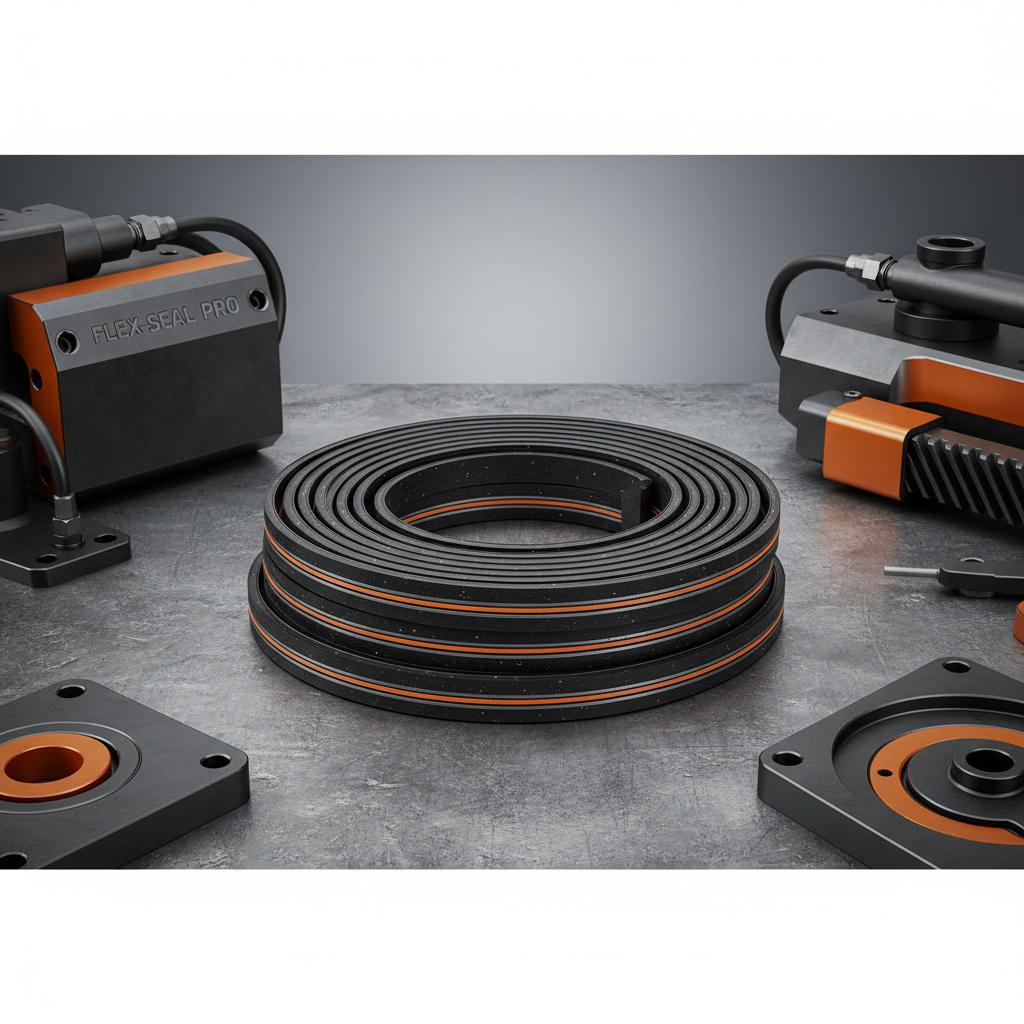
Rubber seal strip plays a critical role across countless industries, ensuring leak-proof seals and protecting components from environmental factors. From automotive manufacturing and aerospace to construction and even everyday household appliances, these strips are indispensable for maintaining functionality, safety, and longevity. Understanding the nuances of rubber seal strip – its materials, applications, and future trends – is therefore paramount for engineers, manufacturers, and consumers alike.
Globally, the demand for high-performance rubber seal strip is steadily increasing, driven by stringent regulatory requirements, growing industrialization in emerging economies, and a heightened focus on energy efficiency. According to a recent report by Grand View Research, the global rubber seals market was valued at USD 67.8 billion in 2022 and is projected to reach USD 98.2 billion by 2030, growing at a CAGR of 4.7%. This growth underscores the vital importance of these seemingly simple components in modern infrastructure and product development.
The challenges surrounding sealing – preventing leaks, managing temperature fluctuations, and resisting chemical degradation – are universal. Rubber seal strip offers a cost-effective, versatile, and reliable solution to these challenges, making it a cornerstone of countless systems and processes worldwide. Recognizing its value is essential for innovation and sustainable development.
Introduction to Rubber Seal Strip
Rubber seal strip, at its core, is designed to create a barrier against fluids, gases, and particulates. This seemingly simple function underpins a vast array of applications, from preventing water ingress in automotive doors to ensuring the integrity of hydraulic systems in heavy machinery. The effectiveness of a rubber seal strip hinges on its material composition, design, and precise installation.
The importance of selecting the appropriate rubber seal strip cannot be overstated. Different environments and applications demand different levels of resistance to temperature, chemicals, UV radiation, and abrasion. Choosing the wrong material can lead to premature failure, costly repairs, and even safety hazards.
Global Relevance and Industry Context
The global rubber seal strip market is inextricably linked to the growth of key industries such as automotive, aerospace, construction, and manufacturing. As these industries expand, particularly in developing economies, the demand for high-quality sealing solutions increases proportionally. The automotive sector, for example, is a major consumer of rubber seal strip, utilizing it in everything from door and window seals to engine gaskets.
Increasingly, regulatory pressures are driving the adoption of more effective and durable rubber seal strip. Stringent emissions standards in the automotive industry, for instance, necessitate tighter sealing to prevent the leakage of harmful gases. Similarly, building codes are evolving to prioritize energy efficiency, leading to a greater emphasis on airtight seals to reduce heat loss and gain.
Furthermore, globalization has amplified the need for standardized and reliable rubber seal strip. Manufacturers operating across multiple countries require components that meet consistent quality standards and perform reliably in diverse climates and conditions. This has fueled the growth of international certifications and quality control measures within the rubber seal strip industry.
Defining Rubber Seal Strip
A rubber seal strip is essentially a flexible component designed to fill the space between two mating surfaces, preventing the passage of fluids, gases, or particulate matter. It is typically manufactured from various elastomers – synthetic or natural rubber compounds – chosen for their specific properties, such as resistance to temperature, chemicals, and abrasion.
Beyond simple prevention of leakage, rubber seal strip often plays a crucial role in dampening vibrations, reducing noise, and providing cushioning. Modern applications are demanding increasingly complex seal designs, incorporating features like multiple lips, integrated adhesives, and specialized coatings to enhance performance and longevity.
The connection to modern industry is undeniable. Without reliable rubber seal strip, critical infrastructure would be vulnerable to failure. From the pressurized cabins of aircraft to the watertight hulls of ships, and the safe operation of nuclear power plants, this seemingly unassuming component is essential for maintaining safety, efficiency, and operational integrity.
Key Factors and Core Components
Several key factors determine the effectiveness and suitability of a rubber seal strip. Firstly, Material Composition is paramount. Different rubber compounds (EPDM, silicone, neoprene, nitrile, etc.) offer varying levels of resistance to specific environmental factors. Secondly, Design and Geometry, including the shape of the cross-section and the presence of lips or fins, influence the sealing force and ability to conform to irregular surfaces.
Compression Ratio, the amount of compression applied to the seal during installation, is critical for achieving a proper seal. Insufficient compression can lead to leakage, while excessive compression can damage the seal. Temperature Range must be carefully considered; the selected material must maintain its elasticity and sealing properties across the expected operating temperature range.
Rubber Seal Strip Performance Characteristics
Global Applications and Use Cases
Rubber seal strip finds widespread application across diverse industries. In the automotive sector, it’s critical for sealing doors, windows, trunks, and engine components. The aerospace industry relies on specialized rubber seal strip to maintain the pressurized environment within aircraft cabins and protect sensitive equipment from extreme temperatures.
The construction industry utilizes rubber seal strip for weatherstripping windows and doors, sealing expansion joints, and preventing water infiltration in building facades. In the food and beverage industry, it ensures hygienic seals in processing equipment and packaging machinery. Even in remote industrial zones, reliable seals are paramount for maintaining the efficiency of pipelines, pumps, and other critical infrastructure.
Advantages and Long-Term Value
The advantages of utilizing rubber seal strip are multifaceted. From a cost perspective, rubber seals are often more economical than alternative sealing methods like metal gaskets or welding. Their flexibility allows them to accommodate irregularities in mating surfaces, simplifying assembly and reducing the risk of leaks.
Long-term value is derived from reduced maintenance costs, extended equipment lifespan, and improved safety. A properly sealed system operates more efficiently, conserving energy and minimizing environmental impact. The reliability and peace of mind provided by a well-designed rubber seal strip contribute significantly to overall operational success.
Future Trends and Innovations
The future of rubber seal strip is marked by a shift towards sustainable materials, advanced manufacturing techniques, and intelligent sealing solutions. Research is underway to develop bio-based rubber compounds derived from renewable resources, reducing reliance on fossil fuels.
Digital transformation is also playing a role, with sensors being integrated into rubber seal strip to monitor performance, detect leaks, and predict maintenance needs. Automation and additive manufacturing (3D printing) are enabling the creation of customized seals with complex geometries and optimized sealing characteristics.
Furthermore, the demand for seals capable of operating in extreme environments – high temperatures, corrosive chemicals, and high pressures – is driving innovation in material science and seal design. The integration of nanotechnology to enhance material properties represents another promising avenue for future development.
FAQS
For outdoor applications, EPDM rubber is generally the most suitable choice due to its excellent resistance to UV radiation, ozone, and weathering. Silicone rubber is another good option, offering a wider temperature range but typically at a higher cost. Nitrile and neoprene may be suitable for specific applications but have limited UV resistance and require additional protection. The ideal choice depends on the specific environmental conditions and exposure levels.
Accurate measurement is crucial. Measure the gap you need to seal, and consider the compression ratio required for an effective seal (typically 15-25%). The rubber seal strip should be slightly larger than the gap to ensure proper compression. Consult manufacturer’s specifications for recommended compression ratios and installation guidelines. It's always best to err on the side of slightly larger, as you can always compress the seal further.
The lifespan of a rubber seal strip varies significantly depending on the material, application, and environmental conditions. Generally, EPDM rubber seals can last 10-20 years with proper maintenance. Silicone seals have a similar lifespan. Nitrile and neoprene seals may need replacement every 5-10 years due to degradation from oil, chemicals, and UV exposure. Regular inspection and cleaning can extend the lifespan of any rubber seal strip.
Proper surface preparation is key. Ensure the mating surface is clean, dry, and free from oil, grease, and dust. Use a suitable solvent to degrease the surface if necessary. Apply firm, even pressure to the seal strip during installation to ensure a strong bond. Consider using a primer to enhance adhesion, particularly on porous or low-energy surfaces. Allow sufficient curing time for the adhesive to fully set.
Minor damage, such as small tears or abrasions, may be repairable using specialized rubber repair compounds. However, significant damage or degradation typically requires replacement. Attempting to repair severely damaged seals can compromise their integrity and lead to leaks. Prevention through proper installation and maintenance is always the best approach.
Traditional rubber materials are not readily biodegradable. Recycling options for rubber seals are limited, but some specialized facilities can process certain types of rubber. Consider choosing sustainable rubber compounds made from renewable resources whenever possible. Proper disposal in accordance with local regulations is essential to minimize environmental impact. Researching manufacturers with robust sustainability initiatives is also a good practice.
Conclusion
Rubber seal strip, often overlooked, is a fundamental component across a vast spectrum of industries and applications. Its ability to create reliable seals, prevent leaks, and protect against environmental factors makes it indispensable for maintaining safety, efficiency, and operational integrity. Understanding the key factors influencing performance – material composition, design, installation, and environmental conditions – is vital for selecting and implementing the most effective sealing solutions.
Looking ahead, the future of rubber seal strip will be shaped by a commitment to sustainability, innovation, and digitalization. The development of bio-based materials, intelligent sealing systems, and automated manufacturing processes will drive further improvements in performance, durability, and environmental responsibility. For those seeking high-quality rubber seal strip solutions, visit our website to explore our comprehensive range of products and services.