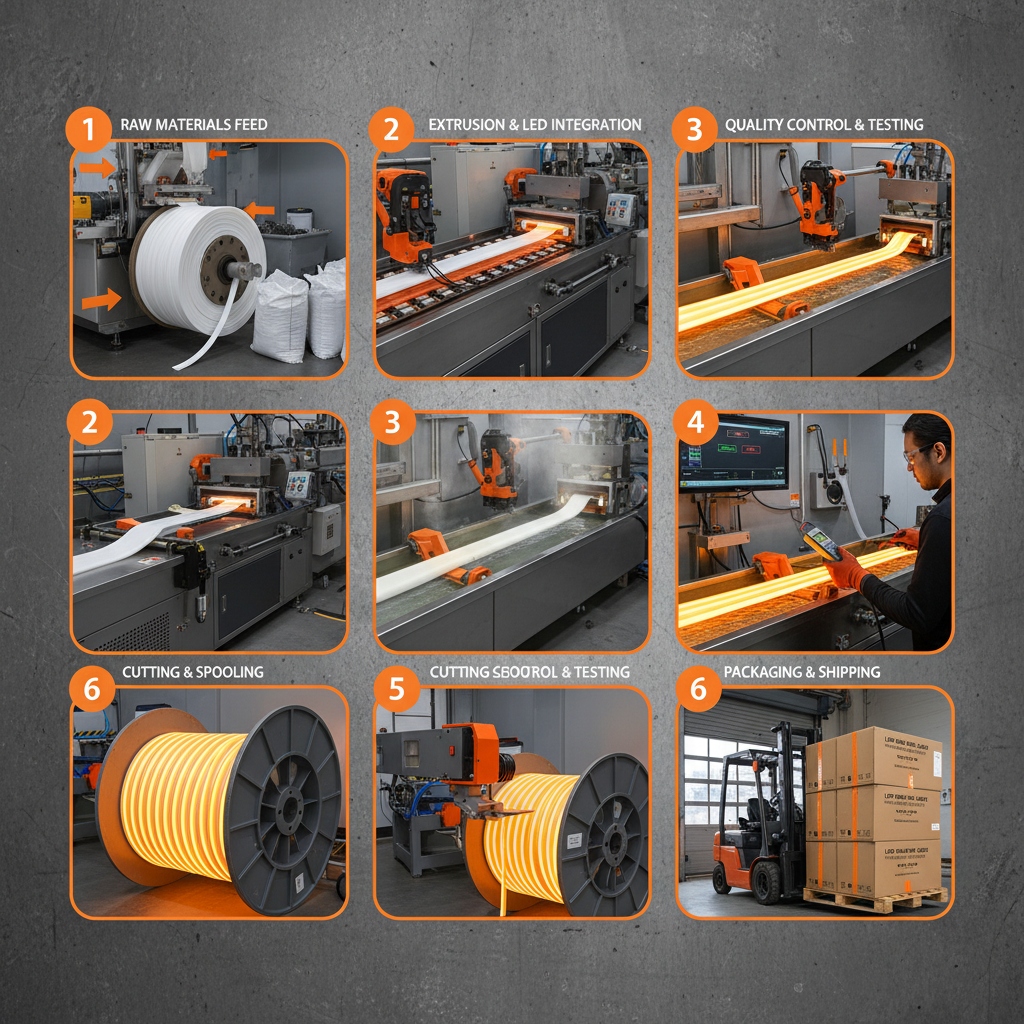
Neon led light rope is rapidly becoming a crucial component in modern illumination, offering a flexible and energy-efficient alternative to traditional neon lighting. Its growing adoption across diverse sectors, from architectural accents to large-scale art installations, signifies a global shift towards sustainable and visually dynamic lighting solutions. Understanding the intricacies of neon led light rope—its construction, applications, and future potential—is vital for professionals and enthusiasts alike.
The global market for LED lighting, including neon led light rope, is experiencing exponential growth, driven by increasing energy efficiency standards and a growing demand for aesthetic lighting. Reports from organizations like the United Nations Environment Programme (UNEP) highlight the importance of transitioning to energy-saving technologies to mitigate climate change. This surge in demand presents both opportunities and challenges in terms of production, supply chain management, and ensuring product quality.
A key challenge lies in bridging the gap between the aesthetic appeal of traditional neon and the sustainability benefits of LED technology. Neon led light rope effectively addresses this need, offering the vibrant glow of neon with significantly reduced energy consumption and a longer lifespan. This makes it an ideal solution for both commercial and residential applications, contributing to a more sustainable future.
Introduction to neon led light rope
Neon led light rope represents a significant advancement in lighting technology, combining the aesthetic appeal of traditional neon with the energy efficiency and versatility of LEDs. It consists of flexible PVC or silicone tubing housing a string of closely spaced LED lights, creating a continuous, vibrant glow. This makes it ideal for applications where traditional glass neon tubing would be impractical or unsafe.
The adoption of neon led light rope is expanding rapidly across various industries. Its ease of installation, low maintenance requirements, and design flexibility are driving its popularity in architectural lighting, signage, art installations, and even residential decor. This technological leap is not merely about illumination; it's about creating immersive experiences and enhancing visual communication.
Defining neon led light rope
Neon led light rope, at its core, is a flexible lighting solution designed to mimic the aesthetic of traditional neon signage. However, unlike traditional neon, which uses gas-filled glass tubes, neon led light rope utilizes light-emitting diodes (LEDs) encased within a protective, often translucent, flexible material. This material can be PVC, silicone, or other durable polymers.
The defining characteristic of neon led light rope is its ability to bend and conform to various shapes and surfaces, making it significantly easier to install and more versatile than traditional neon. This flexibility extends beyond simple curves; it can be used to create intricate designs and complex patterns with relative ease.
This technology is increasingly important in modern industry because it addresses concerns regarding energy consumption, safety, and environmental impact associated with traditional neon lighting. It's a crucial element in the growing demand for sustainable and visually striking lighting solutions.
Core Components of neon led light rope
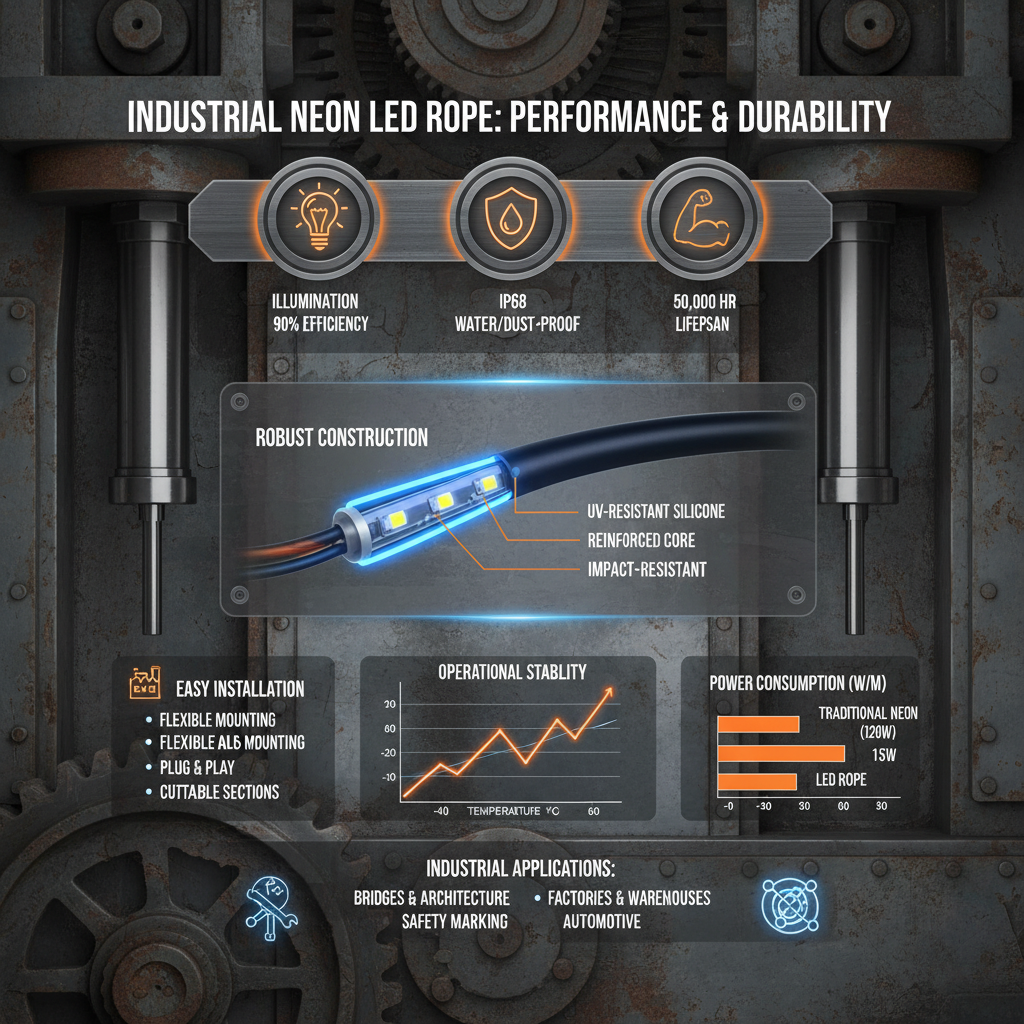
The construction of neon led light rope centers around several key components. First, the LEDs themselves, typically surface-mount devices (SMDs), provide the light source. The density and color of these LEDs determine the brightness and hue of the rope. Secondly, a flexible PCB (printed circuit board) serves as the foundation, providing electrical connectivity for the LEDs.
The protective jacket, usually made of PVC or silicone, encases the LEDs and PCB, providing insulation, weather resistance, and flexibility. Silicone jackets are generally preferred for outdoor applications due to their superior UV resistance and temperature tolerance. Finally, end caps seal the rope, preventing moisture ingress and ensuring electrical safety.
The quality of each component directly impacts the performance and lifespan of the neon led light rope. High-quality LEDs offer better brightness and color consistency, while durable jackets provide greater protection against environmental factors. Proper sealing and robust PCB construction are critical for ensuring long-term reliability.
Key Factors Influencing Performance
Several key factors determine the performance of neon led light rope. Brightness, measured in lumens, is a crucial factor, influenced by the LED density and power consumption. Color accuracy, expressed as the Color Rendering Index (CRI), is important for applications where accurate color representation is critical.
Another significant factor is the ingress protection (IP) rating, indicating the rope’s resistance to dust and water. Higher IP ratings are essential for outdoor applications. Furthermore, the bending radius – the minimum radius to which the rope can be bent without damaging the LEDs – dictates its design flexibility.
Performance Comparison of neon led light rope Methods
Global Applications and Use Cases
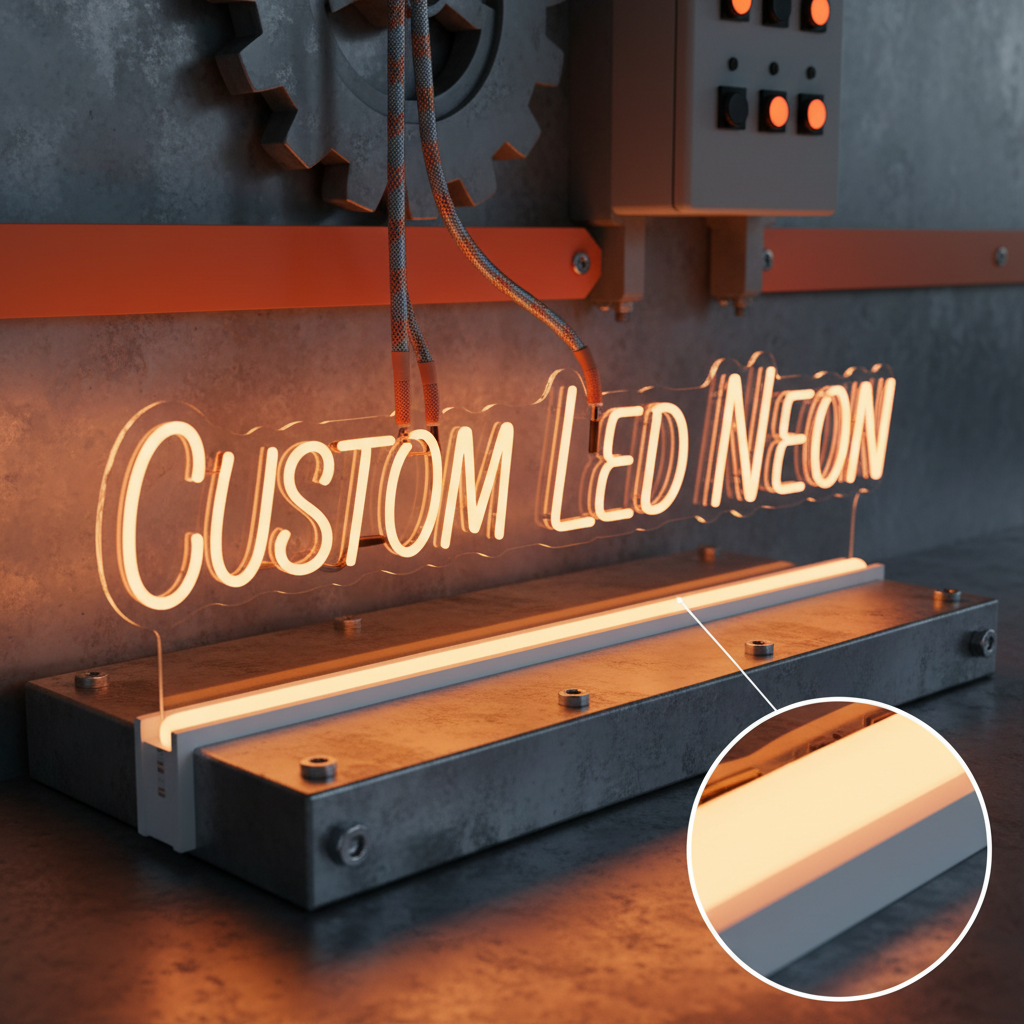
The applications of neon led light rope are incredibly diverse and span across numerous industries. In architectural lighting, it's used to highlight building facades, create accent lighting, and define architectural features. Signage is another major application, replacing traditional neon signs with more energy-efficient and cost-effective alternatives.
Neon led light rope is also gaining traction in the entertainment industry, used in stage lighting, event decorations, and immersive art installations. Retailers utilize it to create eye-catching displays and attract customers. Furthermore, its durability and flexibility make it suitable for outdoor applications such as holiday lighting and landscape illumination.
From bustling city centers in North America and Europe to rapidly developing urban landscapes in Asia, neon led light rope is transforming the way we illuminate our world. In post-disaster relief operations, its portability and ease of installation make it a valuable tool for providing temporary lighting solutions.
Advantages and Long-Term Value
The advantages of using neon led light rope extend far beyond mere aesthetics. The significantly lower energy consumption compared to traditional neon translates into substantial cost savings over the lifespan of the product. Moreover, the extended lifespan of LEDs – typically 50,000 hours or more – reduces maintenance costs and minimizes the need for frequent replacements.
Sustainability is a key benefit. By reducing energy consumption, neon led light rope contributes to a smaller carbon footprint. The durability and flexibility of the product enhance safety, eliminating the risks associated with fragile glass neon tubing. The long-term value lies in the combination of economic savings, environmental responsibility, and enhanced visual appeal.
Future Trends and Innovations
The future of neon led light rope is intertwined with advancements in LED technology and materials science. We can expect to see increased integration of smart controls, allowing for dynamic color changes, remote operation, and programmable lighting sequences. Research is also focused on developing more efficient LEDs with improved color rendering and higher brightness.
Furthermore, the development of biodegradable and recyclable materials for the protective jacket will further enhance the sustainability of the product. The integration of renewable energy sources, such as solar power, will enable off-grid lighting solutions, expanding the applications of neon led light rope in remote locations.
Digital integration, such as incorporating addressable LEDs and connectivity for IoT (Internet of Things) applications, will unlock new possibilities for interactive and dynamic lighting experiences. These innovations will solidify neon led light rope as a cornerstone of modern illumination.
FAQS
The typical lifespan of neon led light rope is around 50,000 hours, significantly longer than traditional neon lighting. This equates to several years of continuous use or decades of intermittent use. The lifespan is affected by factors such as operating temperature, voltage stability, and the quality of the LEDs used. Proper installation and adherence to manufacturer guidelines can maximize lifespan.
The level of waterproofing depends on the IP rating of the rope. Many neon led light ropes are IP65 or IP67 rated, meaning they are protected against dust and water splashes. However, for submersible applications, a higher IP rating (e.g., IP68) is required. Always check the product specifications to ensure it's suitable for your intended use environment.
Yes, most neon led light ropes can be cut at designated cutting points, typically marked along the rope. However, reconnecting requires specific connectors and soldering skills. Incorrect reconnection can damage the rope and void the warranty. It’s recommended to consult the manufacturer’s instructions or seek professional assistance.
PVC jackets are more economical and suitable for indoor applications. Silicone jackets offer superior UV resistance, temperature tolerance, and flexibility, making them ideal for outdoor and demanding environments. Silicone is also generally more durable and less prone to cracking over time, but comes at a higher cost.
Neon led light rope is significantly more energy-efficient than traditional neon. It typically consumes 70-90% less energy while producing a similar level of brightness. This translates to substantial cost savings and a reduced environmental impact. The use of LEDs eliminates the need for the high voltages required by traditional neon, further enhancing safety.
Neon led light rope is available in a wide range of colors, including single colors like red, green, blue, and yellow, as well as RGB (red, green, blue) options that allow for millions of color combinations. Addressable RGB versions allow for individual control of each LED, enabling dynamic color-changing effects and intricate patterns.
Conclusion
In conclusion, neon led light rope represents a transformative technology in the realm of illumination, offering a compelling combination of aesthetic appeal, energy efficiency, and versatility. From architectural accents to dynamic art installations, its applications are vast and continue to expand. The long-term benefits, encompassing cost savings, sustainability, and enhanced safety, position it as a superior alternative to traditional neon lighting.
Looking ahead, continued innovation in LED technology, materials science, and smart controls will further refine and enhance the capabilities of neon led light rope. Embracing this technology is not merely about adopting a new lighting solution; it’s about investing in a brighter, more sustainable, and visually dynamic future. For more information and to explore our range of products, visit our website: www.pulongte.com