You know, after running around construction sites all year, you start to see patterns. Lately, everyone's obsessed with prefabrication, modular builds… it’s the buzz. They’re talking about cutting costs, speeding things up. Sounds good on paper, right? But to be honest, the devil's always in the details.
I swear, half my job is fixing things someone “optimized” into a disaster. And with chrome trim strip, it's the same story. Everyone wants sleek, modern, but if you don't pay attention to the basics… well, let's just say it won't be pretty.
The Current Landscape of chrome trim strip
Honestly, chrome trim strip is everywhere. It used to be for cars mostly, you know? Now it’s on everything - storefronts, elevators, even some of these fancy new apartment buildings. Seems everyone wants that polished look. Have you noticed the demand for brushed finishes going up? That's a big shift. People are getting tired of fingerprints, I guess. The supply chain… that’s a whole other story. Been messed up since, well, you know.
It’s not just about looks though, a good chrome trim strip can actually help protect edges, hide imperfections in joins. That’s what the architects tell me, anyway.
Common Design Pitfalls in chrome trim strip Application
I encountered this at a factory in Ningbo last time. They were trying to save a buck by using a really thin gauge chrome trim strip on a high-traffic doorway. It looked great at first, but within a month it was dented and peeling. Seriously. People just don’t think about the forces at play. It's not just about sticking something on; you need to consider impact, vibration, and how it interacts with other materials.
Another thing? Corners. Getting a clean, seamless corner with chrome trim strip is a nightmare if you don't use the right connectors. I've seen guys try to just bend it… doesn't work.
And strangely, people underestimate the importance of surface prep. If the surface isn't perfectly clean and smooth, the adhesive won't hold properly. It seems obvious, but you'd be surprised.
Materials Used in Quality chrome trim strip
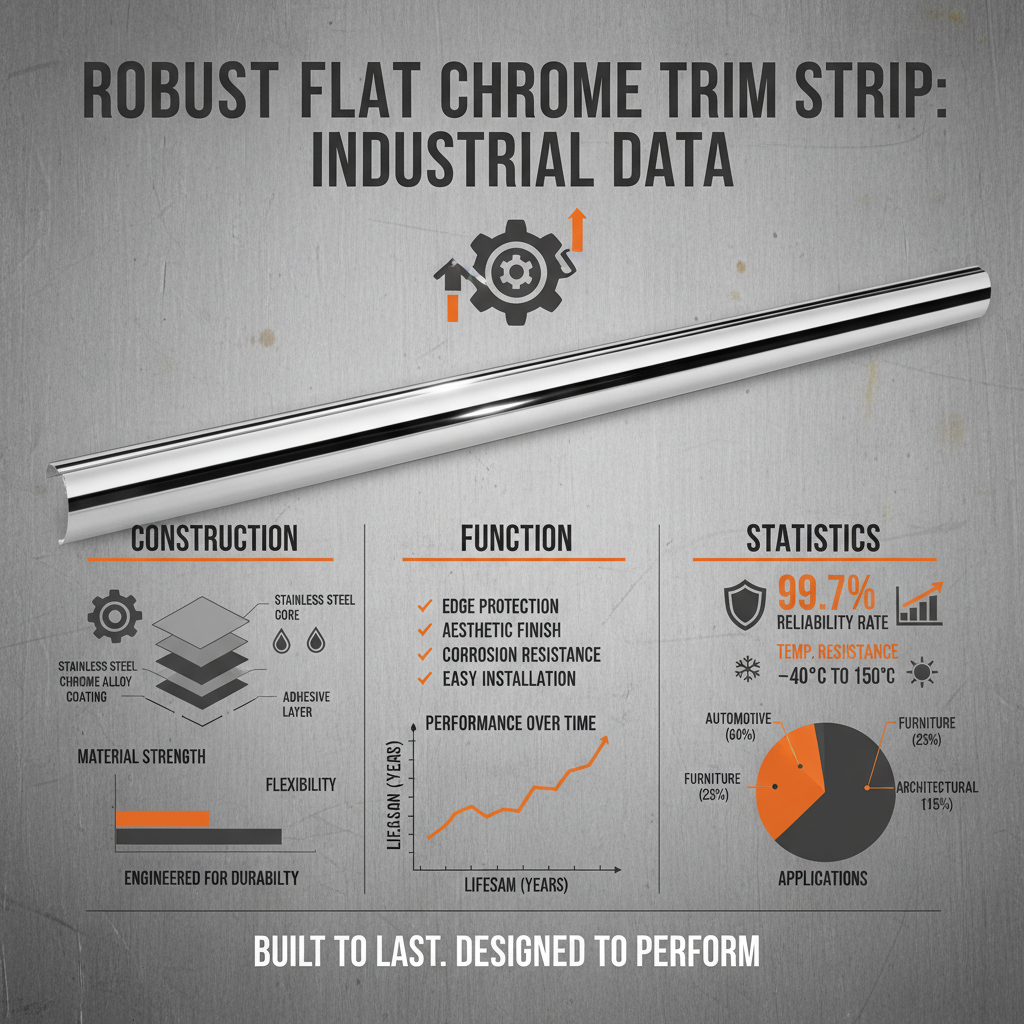
Okay, so we're talking mostly about stainless steel, usually 304 or 316. 316’s better if it’s going to be exposed to harsh environments, like saltwater. You can tell the difference, 316 feels a little heavier, a little… richer. And the finish, it just holds up better. Then you’ve got the adhesives. 3M makes some good stuff, but even that varies. You want something that's rated for both temperature and shear stress.
The protective film, that’s important too. Some of the cheap stuff scratches really easily, so you end up with a marred finish before it’s even installed. I like the blue ones; they’re usually a bit thicker. You also get PVC, plastic chrome trim strip, cheaper but… well, it looks cheap. It smells like plastic when you cut it, honestly.
And don’t even get me started on the different plating options. Polished, brushed, mirror… each has its own challenges.
Real-World Testing of chrome trim strip
Look, lab tests are fine, but they don't tell the whole story. I've seen chrome trim strip pass all the lab tests and then fall apart in the field. What we do is, we take samples and install them in real-world environments. We’ve got a test rig at the warehouse where we simulate door swings, people bumping into things, you name it. We also send samples to different job sites – a busy hotel lobby, a school hallway, a hospital waiting room – and just see how they hold up over time.
We also do a simple bend test. Just try to bend it with your hands. If it feels flimsy, it’s probably not going to last. Sounds crude, I know, but it works. And the adhesive test? We stick it to a piece of glass, leave it for a week, then try to peel it off. If it comes off easily, it's a no-go.
chrome trim strip Performance by Application
Actual User Applications of chrome trim strip
It's not always what you expect, you know? We had a customer using chrome trim strip to protect the edges of their robotic vacuums. Robots! Who would have thought? Then there’s the furniture makers, they’re using it on table legs, chair frames… adds a touch of class, apparently. And, of course, the elevator guys. They’re always needing it.
I also see a lot of it in retail environments – storefront signage, display cases. They’re trying to create a more upscale feel. It's funny, people will spend thousands on fancy lighting, but then skimp on the trim… doesn’t make sense.
The Pros and Cons of chrome trim strip
Okay, pros: it looks good, it’s durable (if you get the right stuff), and it can protect edges. It's relatively easy to install, too, as long as you’re careful. But the cons? It’s expensive, especially the high-quality stuff. It scratches easily (unless you get a brushed finish). And it can be a pain to clean – fingerprints, dust… it shows everything. Anyway, I think it’s a good product overall, but it’s not a magic bullet.
And the weight! Some of those thicker chrome trim strip pieces can add up. You gotta factor that into your calculations, especially on larger projects. It's easy to underestimate the cumulative weight.
It's also surprisingly susceptible to galvanic corrosion if it's in contact with dissimilar metals. That's something a lot of people forget.
Customization Options for chrome trim strip
We can do a lot, actually. We’ve bent it, curved it, even perforated it with laser cutters. Last month, that small boss in Shenzhen who makes smart home devices insisted on changing the interface to , and the result was a week of headaches trying to make the chrome trim strip fit around it. He wanted it flush, no gaps. It was a nightmare. But we got it done.
We can also do custom finishes, different widths, different lengths. And we can pre-apply the adhesive, which saves a lot of time on-site. We’ve even done chrome trim strip with embedded LEDs. It’s expensive, but it looks amazing.
Summary of chrome trim strip Customization Options
| Customization Type |
Complexity Level (1-5) |
Cost Impact (Low, Medium, High) |
Lead Time (Days) |
| Bending/Curving |
2 |
Low |
3 |
| Perforation (Laser Cut) |
4 |
Medium |
7 |
| Custom Finish (Color, Texture) |
3 |
Medium |
5 |
| Pre-Applied Adhesive |
1 |
Low |
2 |
| Embedded LEDs |
5 |
High |
14 |
| Custom Dimensions |
2 |
Low |
3 |
FAQS
For wood, you want a high-strength construction adhesive that’s specifically designed for non-porous surfaces. Something like Loctite PL Premium is a good bet. Make sure the wood is properly sanded and cleaned before applying the adhesive, and clamp it down for at least 24 hours. Avoid super glue – it doesn’t hold up well over time. Remember, surface prep is key!
The best thing to do is to keep the protective film on as long as possible. If you need to handle the chrome trim strip directly, wear clean cotton gloves. Don’t use abrasive cleaners or cloths. If you do get a scratch, there are polishing compounds designed for stainless steel that can help minimize its appearance, but prevention is always better than cure.
316 stainless steel has molybdenum in it, which makes it more resistant to corrosion, especially saltwater corrosion. It’s more expensive than 304, but if you’re using it in a marine environment or anywhere it’s going to be exposed to harsh chemicals, 316 is the way to go. 304 is fine for most indoor applications.
Generally, yes, but it depends on the quality of the material and the climate. 316 stainless steel is best for harsh outdoor conditions. Make sure the adhesive is also rated for outdoor use and temperature fluctuations. Extreme cold or heat can cause the adhesive to fail. Proper installation and maintenance are also crucial.
Use a mild detergent and warm water. Avoid abrasive cleaners, steel wool, or scouring pads. Wipe in the direction of the grain. For fingerprints, a microfiber cloth works well. You can also use a stainless steel polish to restore shine, but follow the manufacturer’s instructions carefully.
Yes, stainless steel is highly recyclable! It’s a valuable material that can be melted down and reused without losing its properties. Check with your local recycling center to see if they accept stainless steel scrap. Do your part for the environment!
Conclusion
So, that's chrome trim strip in a nutshell. It's not just a pretty face; it's a functional material that, when chosen and installed correctly, can add value and durability to a lot of different projects. We've talked about the materials, the testing, the pitfalls, the customization… a lot.
Ultimately, whether this thing works or not, the worker will know the moment he tightens the screw. If it feels solid, if it looks right, you're probably good to go. Visit our website for more information and to get a quote: chrome trim strip.