Neon LED light has rapidly transformed various industries, from architectural illumination to artistic displays and increasingly, specialized applications like horticulture. Its energy efficiency, long lifespan, and design flexibility have made it a compelling alternative to traditional neon and other lighting technologies. The global demand for energy-efficient lighting solutions, coupled with advancements in LED technology, drives the continued growth and innovation within the neon LED light sector. This widespread adoption reflects a broader shift towards sustainable and visually appealing lighting options.
The increasing urbanization and demand for aesthetic appeal in commercial and residential spaces are key drivers. Furthermore, government regulations promoting energy conservation and phasing out less efficient lighting technologies contribute significantly to the market expansion. Understanding the nuances of neon LED light – its types, applications, benefits, and future trends – is crucial for professionals in architecture, design, manufacturing, and sustainability.
This exploration delves into the core aspects of neon LED light, highlighting its importance, real-world applications, and future potential. It provides a comprehensive overview for those seeking to leverage this versatile technology for innovation and improved performance.
The Essence of Neon LED Light
Neon LED light, often referred to as flexible neon, represents a significant advancement in lighting technology. Unlike traditional glass neon tubes, it utilizes LED chips encapsulated in a flexible PVC jacket, allowing for complex shapes and designs. This versatility has unlocked creative possibilities for interior and exterior lighting, signage, and architectural accents. Its ability to mimic the vibrant glow of traditional neon while offering superior energy efficiency and durability is a key factor driving its popularity.
The core benefit lies in its ease of installation and maintenance. The flexible nature of the light strips simplifies installation, reducing labor costs and time. Furthermore, the inherent robustness of LED technology translates to a longer lifespan and reduced maintenance requirements, resulting in significant long-term cost savings. This makes it an attractive solution for a wide range of projects, from large-scale commercial installations to smaller residential applications.
Global Context and Market Dynamics
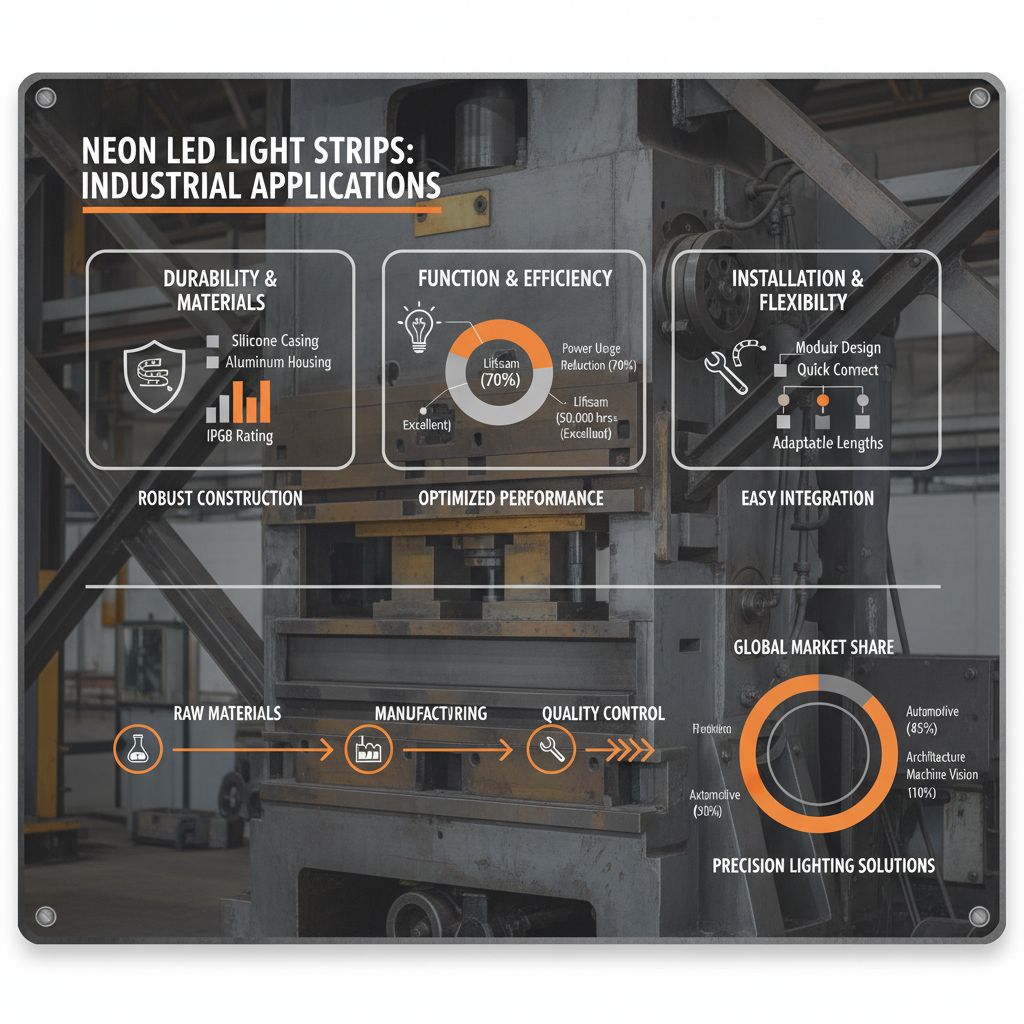
The global lighting market is undergoing a substantial transformation, driven by the increasing demand for energy-efficient and sustainable solutions. Neon LED light is playing a pivotal role in this shift, experiencing significant growth in recent years. According to market research reports, the global flexible LED neon market is projected to reach multi-billion dollar valuations within the next few years, with a considerable compound annual growth rate (CAGR). This growth is fueled by its widespread adoption across various sectors, including retail, hospitality, and entertainment.
Emerging economies, particularly in Asia-Pacific, represent key growth areas due to rapid urbanization and infrastructure development. These regions are actively seeking cost-effective and environmentally friendly lighting solutions, further driving the demand for neon LED light. However, challenges remain, including price competition from lower-quality imports and the need for standardized quality control measures.
The industry is witnessing increased investment in research and development to improve LED chip technology, enhance color rendering, and reduce manufacturing costs. These advancements aim to further solidify neon LED light's position as a leading lighting solution globally, addressing concerns regarding sustainability and efficiency.
Defining Neon LED Light Technology
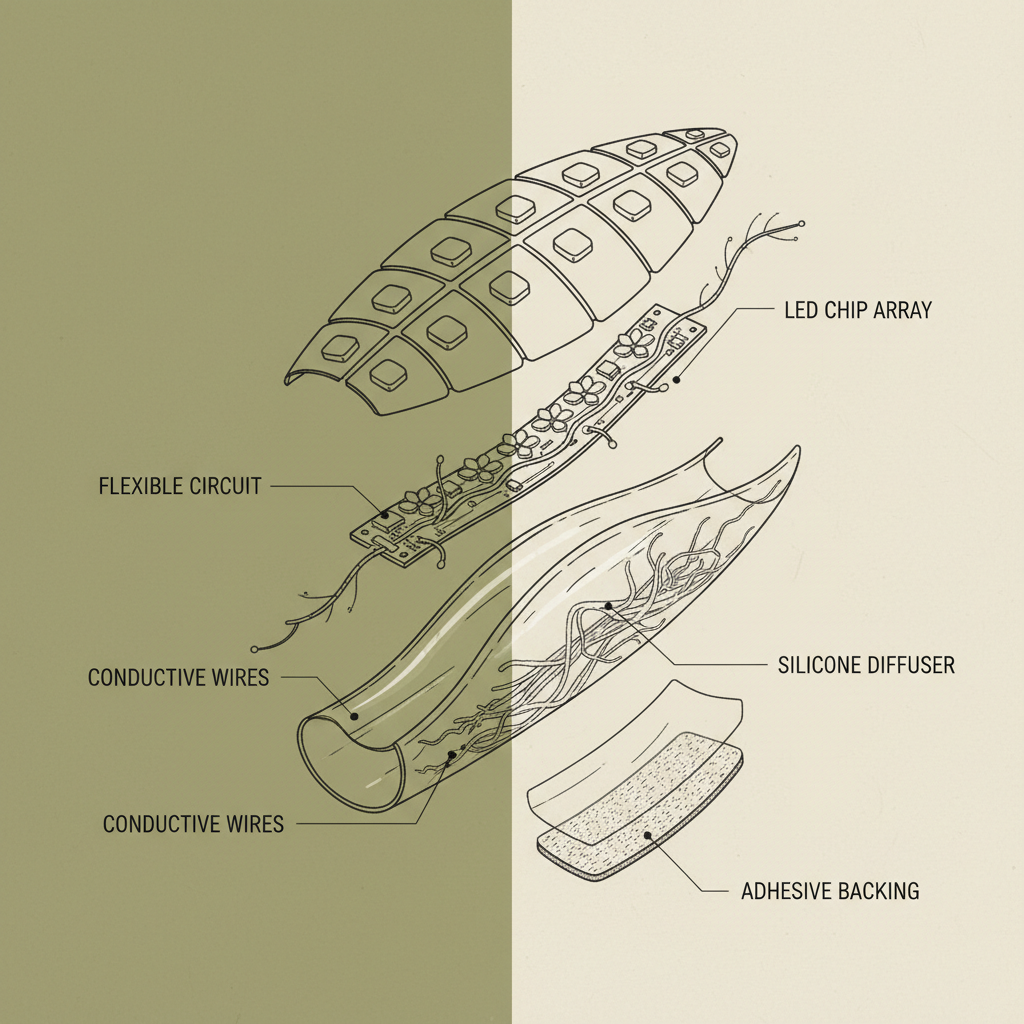
Neon LED light isn’t truly “neon” in the traditional sense. Traditional neon lighting relies on ionized neon gas contained within glass tubes. Neon LED light, conversely, utilizes light-emitting diodes (LEDs) – semiconductor devices that produce light when an electric current passes through them. These LEDs are mounted onto a flexible circuit board and then encased in a protective silicone or PVC jacket, creating the characteristic flexible neon effect. The jacket can be translucent or colored, allowing for a wide range of aesthetic possibilities.
The core technology enabling the 'neon' look is the density and arrangement of the LEDs, combined with the diffusing properties of the jacket material. This creates a continuous, uniform line of light that mimics the appearance of traditional neon. The flexibility arises from the bendable circuit board and the pliable nature of the outer jacket, allowing the light to be shaped into virtually any design. Different LED chip types (SMD, COB) affect light output, color quality, and flexibility.
This technology is integral to modern design because it combines the aesthetic appeal of traditional neon with superior performance characteristics. It addresses the safety and environmental concerns associated with fragile glass tubes and hazardous gas, offering a more sustainable and versatile lighting solution for a variety of applications.
Core Characteristics of Neon LED Light
Several key characteristics define the performance and appeal of neon LED light. First is its Flexibility: the ability to bend and shape the light into complex designs is a primary advantage over traditional neon. Second, Energy Efficiency: LEDs consume significantly less energy than traditional neon, reducing operating costs and environmental impact. Third, Durability: the absence of fragile glass makes neon LED light far more resistant to breakage and damage.
Further, Color Options are extensive, with a wide spectrum of colors available, including single-color, RGB, and programmable options. Lifespan is significantly longer than traditional neon, with many products rated for 50,000 hours or more. Finally, Ease of Installation simplifies the implementation process, reducing labor costs and time.
Neon LED Light Performance Metrics
Diverse Applications Across Industries
The versatility of neon LED light has led to its widespread adoption across numerous industries. In Retail, it’s used for eye-catching storefront signage, interior accent lighting, and product displays. Hospitality benefits from its ability to create ambient and decorative lighting in hotels, restaurants, and bars. Entertainment venues, such as clubs and theaters, utilize it for dynamic lighting effects and stage designs.
Beyond these core sectors, neon LED light is gaining traction in Architectural Lighting, adding aesthetic appeal to building facades and landscapes. It’s also increasingly employed in Automotive Lighting, specifically for decorative accents and safety features. Furthermore, niche applications such as Horticulture (specialized LED grow lights mimicking neon’s appearance) and Art Installations are driving innovation and expanding the boundaries of its use.
Advantages and Long-Term Value Proposition
The advantages of neon LED light extend beyond its aesthetic appeal. From a Cost Perspective, the reduced energy consumption and extended lifespan significantly lower operating costs compared to traditional neon and even some fluorescent lighting systems. Sustainability is another key benefit, as LEDs are free of hazardous materials like mercury and contribute to lower carbon emissions.
From a Social Impact perspective, safer lighting solutions, like neon LED light, reduce risk. Reliability is paramount, offering consistent performance and minimizing downtime. The vibrant colors and customizable designs enhance user experience, promoting a positive and engaging environment. The innovation embedded in this technology fosters trust and strengthens brand image, solidifying its long-term value.
Future Trends and Technological Advancements
The future of neon LED light is poised for exciting advancements. Smart Lighting Integration is a major trend, with LEDs becoming increasingly connected and controllable via smart home systems. Improved Color Rendering technology will deliver more accurate and vibrant colors, enhancing visual impact. Enhanced Flexibility and Miniaturization will enable even more intricate and complex designs.
Furthermore, Sustainable Materials and manufacturing processes are gaining prominence, aligning with the growing demand for eco-friendly products. Dynamic Lighting Control allows for customizable lighting scenarios and effects. Integration with Renewable Energy Sources will further reduce the environmental footprint of neon LED light systems, solidifying its position as a sustainable lighting solution.
Summary of Neon LED Light Quality and Performance Factors
| Component Quality |
Color Rendering Index (CRI) |
Water Resistance Rating |
Voltage Stability |
| High-grade LED chips & silicone jacket |
80-95 (Excellent Color Accuracy) |
IP65-IP68 (Protection Against Dust/Water) |
12V-24V (Consistent Power Delivery) |
| Moderate LED chips & PVC jacket |
70-80 (Good Color Accuracy) |
IP60 (Limited Water Resistance) |
12V (Potential Voltage Fluctuations) |
| Low-grade LED chips & thin PVC |
60-70 (Acceptable Color Accuracy) |
No Rating (Minimal Protection) |
12V-24V (Unstable Power Delivery) |
| Premium circuit board design |
90+ (Exceptional Color Accuracy) |
IP68 (Complete Waterproof Protection) |
24V (Enhanced Voltage Stability) |
| Standard circuit board design |
75-85 (Good to Very Good Color) |
IP65 (Dust & Water Resistant) |
12V (Sufficient Stability) |
| Basic circuit board design |
65-75 (Average Color) |
No rating (Limited Protection) |
12V (Potential Instability) |
FAQS
Neon LED light typically boasts a lifespan of 50,000 hours or more, significantly exceeding the lifespan of traditional neon, which typically ranges from 10,000 to 20,000 hours. This extended lifespan translates to lower replacement costs and reduced maintenance efforts. The use of solid-state LED technology eliminates the degradation of gas within traditional neon tubes, contributing to its longevity. Furthermore, the flexible nature of neon LED light makes it less susceptible to damage from vibrations or impacts, further enhancing its durability.
Neon LED light is considerably safer than traditional neon, as it operates at low voltage (typically 12V or 24V) and doesn't contain hazardous gases like mercury. The flexible PVC or silicone jacket provides electrical insulation, minimizing the risk of shocks. Environmentally, neon LED light is more sustainable as it consumes significantly less energy and doesn't require disposal of hazardous materials. However, responsible recycling of the electronic components at the end of its life is still recommended.
Yes, a significant advantage of neon LED light is its flexibility and customizability. Most neon LED light strips can be cut at designated intervals (typically every inch or so), allowing you to tailor the length to your specific requirements. The flexibility allows it to be bent and shaped into various designs, making it ideal for creating unique and eye-catching installations. However, it’s crucial to follow the manufacturer's guidelines for cutting and connections to avoid damaging the light.
Common LED chip types include SMD (Surface Mount Device) and COB (Chip-on-Board). SMD chips are individually mounted and provide more precise color control and flexibility, resulting in a dotted light effect. COB chips are densely packed, creating a more continuous and uniform light output, mimicking traditional neon more closely. COB generally offers better brightness and color consistency, while SMD allows for tighter bends and more intricate designs.
Neon LED light consumes significantly less power than traditional neon. Traditional neon can consume 15-20 watts per foot, while neon LED light typically consumes only 5-8 watts per foot. This translates to substantial energy savings over the lifespan of the product. The low power consumption also reduces heat generation, enhancing safety and prolonging the life of the lighting system.
Yes, many neon LED light products are designed for outdoor use. The level of water resistance is indicated by an IP (Ingress Protection) rating. IP65-rated lights are dust-tight and protected against water jets, making them suitable for general outdoor applications. IP68-rated lights are fully waterproof and can be submerged in water for extended periods. Always check the manufacturer's specifications to ensure the product is suitable for your specific outdoor environment.
Conclusion
Neon LED light represents a transformative shift in the lighting industry, offering a compelling combination of aesthetic appeal, energy efficiency, and durability. Its flexibility, coupled with its low power consumption and long lifespan, makes it a versatile and sustainable solution for a wide range of applications, from architectural illumination to artistic installations. The continued advancements in LED technology and smart lighting integration promise even more exciting possibilities for the future.
As the demand for sustainable and visually striking lighting solutions grows, neon LED light is poised to become an increasingly dominant force in the market. We encourage you to explore the possibilities of this innovative technology to enhance your projects and contribute to a more energy-efficient future. Visit our website at neon led light to learn more and discover our comprehensive range of products.