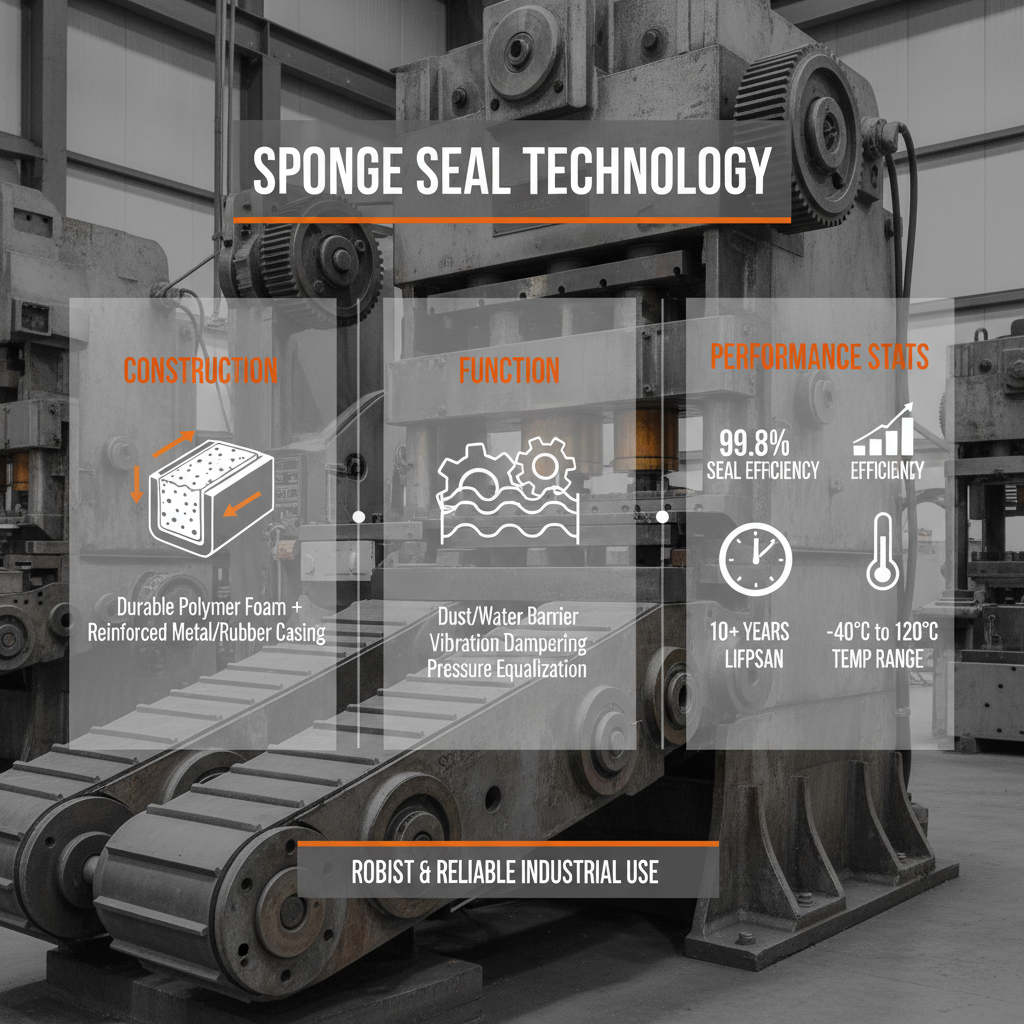
Sponge seals, though seemingly simple, represent a crucial component across a surprising breadth of industries and applications. Their ability to provide reliable, cost-effective sealing solutions has made them indispensable in sectors ranging from automotive and aerospace to food processing and medical equipment. Understanding the nuances of sponge seal technology – materials, design, and application – is increasingly vital in a world demanding greater efficiency, safety, and durability.
The global demand for effective sealing solutions is constantly growing, driven by factors like increasing industrialization, stricter environmental regulations, and a focus on minimizing waste. Sponge seals play a critical role in meeting these demands, offering advantages over traditional sealing methods in many scenarios. The United Nations Sustainable Development Goals, particularly those relating to responsible consumption and production (Goal 12), are directly impacted by innovations in sealing technologies that reduce leakage and resource waste.
Ultimately, a thorough understanding of sponge seals empowers engineers, manufacturers, and end-users to select the optimal solution for their specific needs, contributing to improved product performance, reduced operational costs, and a more sustainable future. Their versatility and adaptability make them a cornerstone of modern engineering.
Defining and Understanding sponge seal
A sponge seal is a flexible barrier created from a porous, cellular material – typically an elastomer like polyurethane, neoprene, or silicone – designed to prevent the passage of fluids, gases, dust, or other contaminants between mating surfaces. Unlike solid seals, sponge seals rely on their compressibility to form a tight seal when compressed. They offer a unique combination of sealing performance and cushioning capabilities.
The rise of sponge seals is directly linked to the increasing demands of modern industry for components that can operate reliably in dynamic environments. They are integral to ensuring the functionality and longevity of countless products, from automobiles and appliances to medical devices and industrial machinery. Their ability to conform to irregular surfaces and absorb vibrations makes them a superior choice in many applications.
Global Relevance and Industry Impact
The global sealing market, in which sponge seals hold a significant share, is estimated to be worth billions of dollars annually, and is projected to continue growing. This growth is fueled by expanding industrial production in emerging economies, as well as the increasing need for seals in various sectors. Industries such as automotive, aerospace, oil and gas, and healthcare rely heavily on these seals for maintaining system integrity and preventing failures.
One significant challenge addressed by sponge seals is leakage. Leaks can lead to product loss, environmental contamination, and safety hazards. Effective sealing minimizes these risks, contributing to improved resource efficiency and a safer operating environment. ISO standards, such as ISO 16889, provide guidelines for the testing and qualification of seals, emphasizing the importance of reliability and performance.
Furthermore, the increasing emphasis on sustainability drives demand for sponge seals made from eco-friendly materials and designed for long-term durability, reducing the need for frequent replacements and minimizing waste. Companies are actively researching and implementing innovative materials and manufacturing processes to meet these sustainability goals.
Core Characteristics of Effective sponge seal
Several key characteristics define the effectiveness of a sponge seal. First, compressibility is crucial, allowing the seal to conform to irregular surfaces and create a tight barrier. Secondly, resilience ensures the seal can recover its original shape after compression, maintaining its sealing performance over time.
Thirdly, chemical resistance is vital, particularly in applications where the seal will be exposed to harsh chemicals or fluids. The material must be compatible with the substances it is intended to seal against. Fourth, temperature stability defines the seals operational range, ensuring it maintains its properties within specified conditions.
Finally, porosity is a key factor; the open-cell structure of a sponge seal allows for a degree of airflow or fluid permeability when desired, useful in applications like venting or sound dampening. These characteristics collectively determine the suitability of a sponge seal for a specific application.
Key Performance Indicators for sponge seal
Evaluating the performance of a sponge seal requires considering several key indicators. Compression set, which measures the permanent deformation of the seal after prolonged compression, is a critical factor impacting long-term sealing effectiveness. Lower compression set values indicate better durability.
Another important metric is tensile strength, reflecting the seal’s resistance to tearing or rupture. Higher tensile strength translates to a more robust and reliable seal. Furthermore, fluid resistance, assessed through exposure tests, determines the seal's ability to withstand degradation from contact with specific fluids.
sponge seal Performance Comparison
Diverse Applications of sponge seal Worldwide
Sponge seals find widespread use across a multitude of industries. In the automotive sector, they are used in door and window seals, trunk seals, and engine compartment seals to prevent water, dust, and noise intrusion. In the aerospace industry, they provide sealing for aircraft doors, windows, and fuel tanks, ensuring cabin pressurization and fuel containment.
Within the food and beverage industry, sponge seals are employed in processing equipment, packaging machines, and refrigeration units to maintain hygiene and prevent contamination. In medical device manufacturing, they provide critical sealing for surgical instruments, diagnostic equipment, and drug delivery systems. In remote industrial zones, these seals ensure equipment operates reliably under harsh conditions.
Advantages and Long-Term Value Proposition
The advantages of using sponge seals are numerous. They offer excellent sealing performance at a relatively low cost, making them a cost-effective solution for many applications. Their inherent cushioning properties protect sensitive components from vibration and shock, extending their lifespan. They are lightweight and easy to install, reducing assembly time and labor costs.
Beyond the immediate cost savings, sponge seals contribute to long-term value by improving product reliability, reducing downtime, and minimizing maintenance requirements. Their ability to prevent leaks reduces product loss and environmental contamination, enhancing sustainability and responsible operation. A properly selected sponge seal contributes to customer satisfaction and brand reputation.
The psychological benefit of knowing a system is reliably sealed, preventing potential hazards or failures, builds trust and confidence in the product. This fosters innovation by allowing engineers to design more complex and sophisticated systems without compromising safety or performance.
Future Trends and Innovations in sponge seal
Several exciting trends are shaping the future of sponge seal technology. The development of new materials, such as bio-based elastomers and self-healing polymers, promises to enhance performance and sustainability. Research into advanced manufacturing techniques, like 3D printing, enables the creation of customized seals with complex geometries tailored to specific applications.
Integration with digital technologies, such as sensor-embedded seals, allows for real-time monitoring of sealing performance and predictive maintenance, reducing the risk of unexpected failures. The demand for energy-efficient sealing solutions drives innovation in low-compression-force seals, minimizing energy consumption and extending battery life in mobile applications.
Sustainability considerations are driving the development of recyclable and biodegradable sponge seal materials, minimizing environmental impact. Automation in the manufacturing process increases precision and reduces waste, leading to more efficient and cost-effective production.
Summary of Key Trends in sponge seal Innovation
| Material Innovation |
Manufacturing Techniques |
Digital Integration |
Sustainability Focus |
| Bio-based elastomers |
3D Printing |
Sensor-embedded seals |
Recyclable materials |
| Self-healing polymers |
Automated molding |
Predictive maintenance |
Biodegradable materials |
| Advanced foam structures |
Micro-molding |
Real-time performance monitoring |
Reduced material waste |
| Hybrid material compositions |
Precision extrusion |
Data analytics for seal optimization |
Eco-friendly manufacturing processes |
| Nanomaterial enhancements |
Robotic assembly |
Remote diagnostics |
Circular economy principles |
| Adaptive materials |
AI-powered quality control |
Digital twin technology |
Life cycle assessment |
FAQS
The lifespan of a sponge seal in an automotive application varies greatly depending on environmental factors like temperature, UV exposure, and the specific elastomer used. Generally, well-maintained seals can last between 5 and 10 years. However, factors like frequent exposure to harsh chemicals or extreme weather can shorten this lifespan. Regular inspection and replacement are recommended to ensure optimal sealing performance and prevent leaks.
Selecting the appropriate material is critical for chemical resistance. Consult chemical compatibility charts provided by elastomer manufacturers to determine which material (e.g., neoprene, silicone, EPDM) is best suited for your specific chemical exposure. Consider the concentration, temperature, and duration of exposure. Testing a small sample of the seal material in the actual chemical environment is always recommended before full-scale implementation.
While some sponge seals can withstand high temperatures, the specific temperature limit depends on the elastomer used. Silicone seals generally offer the best high-temperature performance, often up to 200°C or higher. Other materials like EPDM and neoprene have lower temperature limits. Ensure the chosen material’s temperature rating exceeds the maximum operating temperature of your application to prevent degradation and loss of sealing performance.
Custom-designed sponge seals offer several advantages. They provide a precise fit for unique geometries, optimizing sealing performance and minimizing gaps. They can be tailored to specific pressure requirements, temperature ranges, and chemical environments. While more expensive upfront, custom seals often result in longer service life and reduced maintenance costs, ultimately offering a better return on investment.
Compression set is a crucial factor influencing the long-term performance of a sponge seal. A high compression set indicates permanent deformation after compression, reducing the seal's ability to recover its original shape and create a tight seal. Higher compression set leads to leakage and reduced sealing effectiveness. Selecting materials with low compression set values is essential for applications requiring long-term reliability.
Sponge seals contribute to environmental sustainability by reducing leaks and minimizing waste. Preventing leaks of fluids or gases conserves resources and reduces pollution. The development of bio-based and recyclable sponge seal materials further enhances their eco-friendliness. Their lightweight nature reduces transportation costs and energy consumption. Moreover, their durability often reduces the frequency of replacements, lowering overall material consumption.
Conclusion
In conclusion, sponge seals represent a versatile and vital technology underpinning countless applications across diverse industries. Their unique combination of sealing performance, cushioning capabilities, and cost-effectiveness makes them an indispensable component in modern engineering. Understanding the core characteristics, material considerations, and emerging trends surrounding sponge seals is crucial for optimizing performance and ensuring long-term reliability.
Looking ahead, continued innovation in materials, manufacturing processes, and digital integration will further enhance the capabilities of sponge seals, enabling them to address increasingly complex challenges and contribute to a more sustainable future. For optimized sealing solutions and a comprehensive range of sponge seal products, visit our website: www.pulongte.com.