Car trim strip, often overlooked, plays a crucial role in both the aesthetic appeal and protective functionality of vehicles. From subtle accents to robust shielding, these strips safeguard paintwork, prevent corrosion, and enhance the overall visual design. The global automotive industry’s consistent demand for high-quality and innovative trim solutions drives ongoing development in materials, application techniques, and design complexity. The advancements in car trim strip directly reflect the broader trends in automotive personalization and protection.
The significance of car trim strip extends beyond aesthetics. With the increasing emphasis on vehicle longevity and resale value, effective trim protection against chips, scratches, and environmental damage is paramount. Globally, the automotive aftermarket – including trim accessories – represents a multi-billion dollar industry, showcasing the consumer demand for vehicle enhancement and preservation. The continued growth of this market is fuelled by both new vehicle sales and the desire to maintain the appearance of existing cars.
Understanding the nuances of car trim strip – from material science to installation best practices – is vital for automotive professionals, enthusiasts, and consumers alike. Investing in quality trim solutions can significantly reduce repair costs, extend vehicle lifespan, and maintain a vehicle's aesthetic appeal, ultimately contributing to a positive ownership experience. The selection of the right car trim strip is not merely a cosmetic choice, but a strategic investment in vehicle preservation.

The automotive industry relies heavily on car trim strip to provide both functional protection and aesthetic enhancements. Modern vehicles are subjected to a variety of harsh conditions, from road debris and weathering to accidental impacts. Car trim strip acts as a first line of defense, preventing damage to the underlying paint and bodywork.
Beyond protection, car trim strip enables vehicle customization and branding. Manufacturers and aftermarket suppliers offer a wide range of styles, finishes, and materials, allowing vehicle owners to personalize their rides and express their individual tastes. This aspect of car trim strip contributes significantly to the automotive aftermarket's economic impact.
For coastal environments, stainless steel or high-grade, UV-resistant polymers are the best options. Saltwater is highly corrosive, so materials must be able to withstand constant exposure to chlorides. Stainless steel offers excellent corrosion resistance, while specialized polymers resist fading and degradation from UV radiation and salt spray. Avoid chrome-plated plastic as it tends to corrode quickly in coastal conditions.
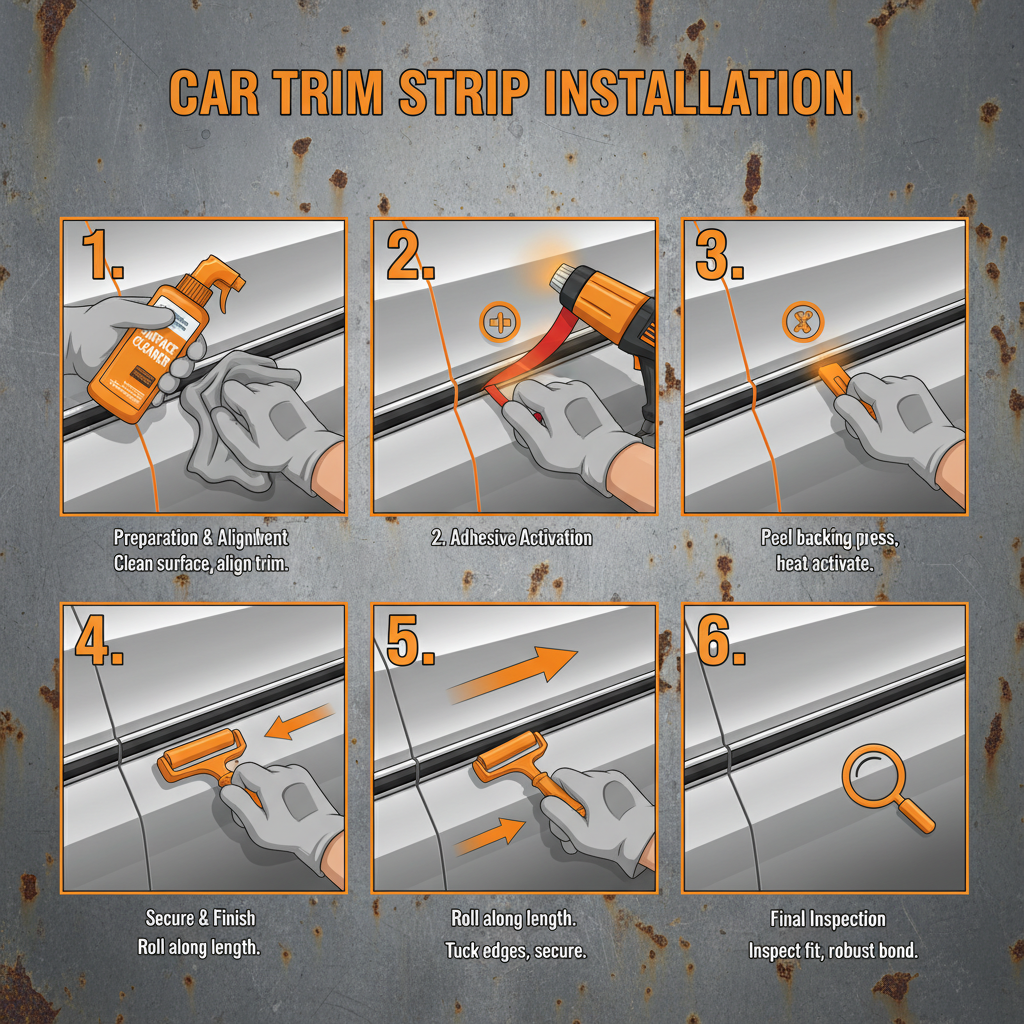
Proper surface preparation is crucial for ensuring a strong and lasting bond. Start by cleaning the surface thoroughly with a degreaser to remove any dirt, grease, or wax. Then, lightly sand the area to create a better adhesion surface. Finally, wipe the surface down with a surface prep solution (like a wax and grease remover) to ensure it's clean and free of contaminants. Follow the adhesive manufacturer's instructions for specific preparation guidelines.
Yes, many types of car trim strip can be painted, but it requires careful preparation and the use of automotive-grade paints. Priming is essential for adhesion, and multiple light coats of paint are preferable to a single heavy coat. Always use paints specifically designed for plastic or metal, depending on the trim material. Check the trim manufacturer's recommendations regarding paint compatibility.
The lifespan of car trim strip varies depending on the material, the environment, and how well it's maintained. High-quality stainless steel trim can last for the life of the vehicle. Durable polymers typically last 5-10 years, while chrome-plated plastic may only last a few years before showing signs of corrosion. Regular cleaning and protection can extend the life of any car trim strip.
Adhesive-backed trim uses a strong adhesive to attach to the vehicle's surface, offering a clean and seamless look. It requires careful surface preparation. Clip-on trim uses integrated clips to fasten to existing holes or slots in the vehicle's body. It's often easier to install but may not offer the same level of aesthetic integration as adhesive-backed options.
The repairability of car trim strip depends on the type of damage and the material. Minor scratches on plastic trim can often be buffed out. More significant damage, such as cracks or breaks, may require replacement. Metal trim can sometimes be repaired by a specialist, but replacement is often the more cost-effective option.
Car trim strip is more than just an aesthetic addition to vehicles; it’s a vital component that protects against damage, enhances longevity, and allows for personalization. From durable materials like stainless steel and specialized polymers to innovative application techniques, the evolution of car trim strip reflects the broader advancements in automotive technology and design. Understanding its importance is crucial for vehicle owners, enthusiasts, and industry professionals alike.
Looking ahead, the future of car trim strip will likely be driven by sustainability, smart technologies, and a continued focus on durability and performance. Exploring eco-friendly materials and integrating sensors for real-time condition monitoring represent exciting avenues for innovation. By prioritizing quality, functionality, and aesthetic appeal, the car trim strip industry can continue to play a significant role in enhancing the vehicle ownership experience.