Neon LED light strips have emerged as a versatile and increasingly popular lighting solution across diverse applications, from architectural accents and retail displays to home décor and even automotive customizations. Their flexibility, energy efficiency, and vibrant color options are driving significant growth in the global lighting market. Understanding the capabilities and nuances of these strips is crucial for designers, installers, and consumers alike, unlocking a world of creative possibilities and efficient illumination.
The demand for neon LED light strips is fueled by a growing preference for customizable and aesthetically pleasing lighting solutions. Traditional neon lighting, while visually appealing, suffers from limitations in energy consumption, fragility, and cost. Neon LED strips offer a compelling alternative, replicating the vibrant glow of neon with enhanced durability, reduced power usage, and greater design freedom. This shift is further accelerated by ongoing technological advancements and decreasing production costs.
Furthermore, the integration of smart technology into neon LED light strips – allowing for remote control, color changing, and synchronization with music – is expanding their functionality and appeal. This accessibility and innovation position neon LED light strips as a key component in modern lighting trends, offering a balance between style, performance, and sustainability.
Introduction to neon led light strips
Neon LED light strips represent a significant advancement in illumination technology. They combine the aesthetic appeal of traditional neon with the practicality and efficiency of LED lighting. This fusion provides a compelling lighting solution for a wide range of applications, from residential and commercial spaces to automotive and artistic installations.
The popularity of these strips isn't merely aesthetic. Their low energy consumption, long lifespan, and flexibility contribute to cost savings and reduced environmental impact. As demand for sustainable and visually striking lighting solutions grows, neon LED light strips are positioned to play an increasingly prominent role in the future of illumination.
Defining Neon LED Light Strips
Neon LED light strips, at their core, are flexible circuit boards populated with surface-mounted LED (Light Emitting Diode) components. These LEDs are encapsulated within a silicone or PVC jacket, designed to diffuse the light and create a similar visual effect to traditional glass neon tubes. The jacket’s material and density significantly influence the brightness and uniformity of the emitted light.
Unlike traditional neon, which relies on ionized gas to produce light, neon LED strips utilize semiconductor technology. This fundamental difference translates into several advantages, including lower operating voltages, reduced heat generation, and significantly enhanced durability. They're not true neon, but rather a sophisticated imitation designed to replicate the desired aesthetic.
The term "neon" in this context is largely marketing-driven, referencing the distinctive glowing appearance rather than the underlying technology. Understanding this distinction is important when considering the specifications and applications of these versatile lighting solutions.
Key Characteristics of neon led light strips
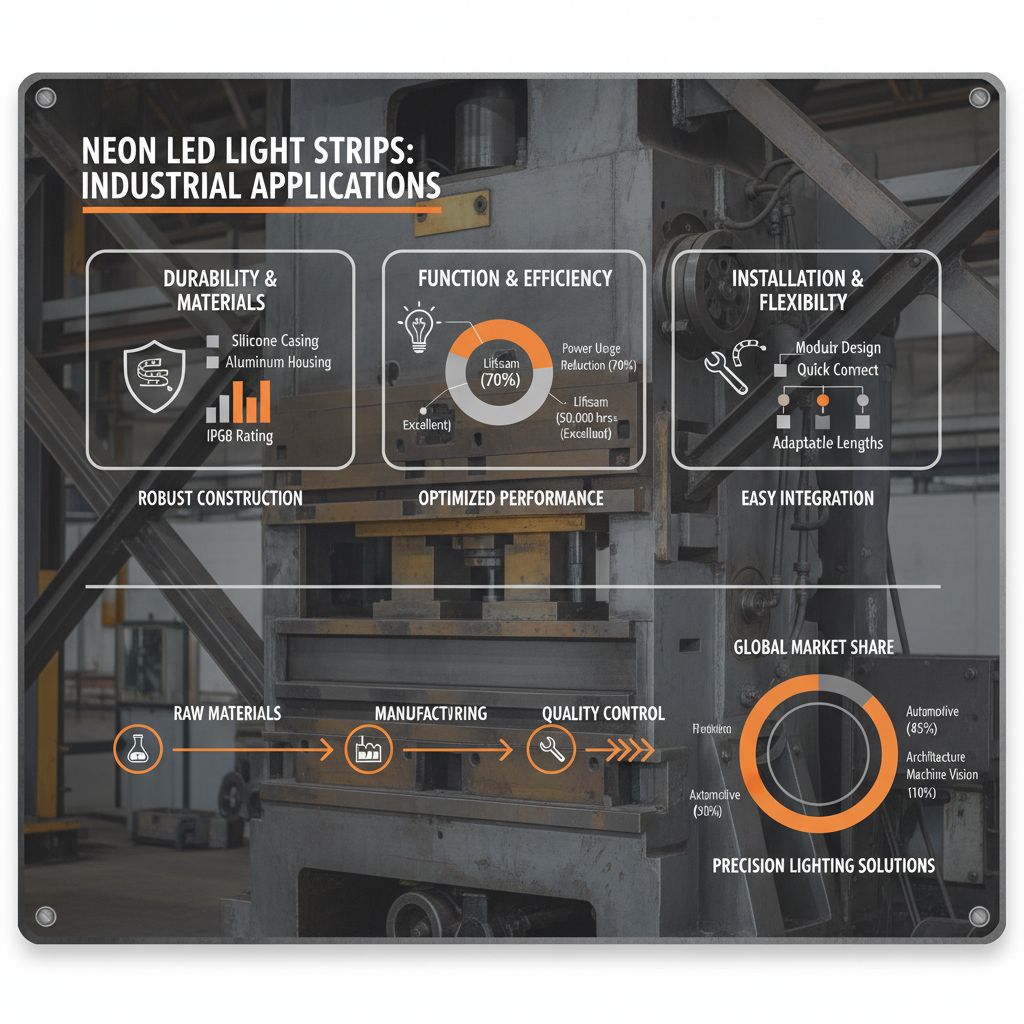
Durability is a key characteristic of neon LED light strips. Unlike fragile glass neon tubes, these strips are highly resistant to impact and breakage, making them suitable for applications where physical stress is a concern. This resilience extends to their resistance to vibrations and environmental factors, making them ideal for both indoor and outdoor use.
Flexibility is another defining feature. The strips can be bent and shaped to conform to various surfaces and designs, allowing for creative and customized lighting installations. This adaptability sets them apart from rigid lighting options and opens up a wider range of design possibilities. Different strips offer varying degrees of flexibility, determined by the PCB material and construction.
Energy efficiency is a crucial benefit. LEDs inherently consume significantly less power than traditional neon lighting, resulting in lower energy bills and reduced environmental impact. This efficiency makes neon LED light strips a sustainable lighting choice, aligning with growing efforts to conserve energy and reduce carbon emissions.
Versatility in Application
The versatility of neon LED light strips allows for their application in a wide range of scenarios. In architectural lighting, they can be used to accentuate building facades, highlight structural features, or create dramatic lighting effects. Retail spaces benefit from their ability to attract attention and enhance product displays.
Furthermore, they are popular in home decor, used for under-cabinet lighting, accent walls, and ambient lighting. Their adaptability also extends to automotive applications, where they are used for customized interior and exterior lighting. Artistic installations frequently incorporate neon LED light strips to create dynamic and visually stunning displays.
Application Suitability of Different neon led light strips
Global Adoption and Market Trends
The global market for neon LED light strips is experiencing substantial growth, driven by increasing demand from both developed and emerging economies. North America and Europe currently represent significant market share, fueled by a strong focus on energy efficiency and aesthetic appeal. Asia-Pacific is emerging as a key growth region, driven by rapid urbanization and expanding construction activities.
Advantages and Long-Term Value
Beyond aesthetic appeal, neon LED light strips offer substantial long-term value. Their low energy consumption translates into significant cost savings over their lifespan. The extended lifespan of LEDs – typically 50,000 hours or more – reduces the frequency of replacements, minimizing maintenance costs.
Moreover, their durability and resistance to environmental factors contribute to lower overall lifecycle costs. The increasing availability of smart control systems allows for optimized lighting schedules and further energy savings. These combined benefits make neon LED light strips a financially sound investment.
Furthermore, their use contributes to a reduced carbon footprint, aligning with growing sustainability initiatives and enhancing brand image for businesses.
Future Innovations in neon led light strips
Innovation in neon LED light strip technology is ongoing. Current research focuses on enhancing light output, improving color rendering, and developing more flexible and durable materials. The integration of advanced control systems, including Bluetooth and Wi-Fi connectivity, is enabling more sophisticated lighting experiences.
Furthermore, the development of addressable LEDs, which allow for individual control of each LED within the strip, is opening up new possibilities for dynamic lighting effects and personalized illumination. The convergence of LED technology with nanotechnology promises even greater efficiency and performance in the future.
Sustainable manufacturing practices and the use of eco-friendly materials are also gaining prominence, further reducing the environmental impact of these versatile lighting solutions.
Summary of Neon LED Light Strip Development Trends
| Innovation Area |
Current Status |
Expected Impact |
Development Timeline |
| Light Output Enhancement |
Ongoing improvements in LED chip technology |
Brighter illumination with reduced power consumption |
1-3 years |
| Material Flexibility |
Development of more pliable PCB materials |
Enhanced ability to conform to complex shapes |
2-5 years |
| Smart Control Integration |
Increasing adoption of Bluetooth and Wi-Fi control |
Remote control, scheduling, and dynamic lighting effects |
Currently Available |
| Addressable LED Technology |
Growing availability of individually controllable LEDs |
Highly customized and dynamic lighting patterns |
1-2 years |
| Color Rendering Improvement |
Research into new phosphor materials |
More accurate and vibrant color representation |
3-5 years |
| Sustainable Manufacturing |
Increasing use of eco-friendly materials and processes |
Reduced environmental impact and improved sustainability |
Ongoing |
FAQS
Neon LED light strips generally boast a lifespan of 50,000 to 100,000 hours, significantly longer than traditional neon lighting. This extended lifespan translates into reduced maintenance costs and fewer replacements. However, lifespan can be affected by factors such as operating temperature, voltage fluctuations, and the quality of the components used. Proper installation and operation are crucial to maximizing the longevity of your neon LED strips.
While many neon LED light strips are water-resistant, not all are fully waterproof. The level of water protection is indicated by an IP (Ingress Protection) rating. IP65 rated strips are protected against dust and water jets, suitable for indoor or sheltered outdoor applications. For fully submersible applications, look for strips with an IP67 or IP68 rating. Always check the product specifications to determine the appropriate level of water protection for your needs.
Yes, most neon LED light strips can be cut to the desired length, but only at designated cutting marks indicated on the strip. Cutting outside these marked areas can damage the internal circuitry and render the strip unusable. It's important to use sharp scissors or a utility knife for clean cuts and to properly seal the cut end with silicone sealant to prevent water ingress.
The required power supply depends on the voltage of the neon LED light strip (typically 12V or 24V) and the total length of the strip. Calculate the total power consumption (watts per meter multiplied by the total length) and choose a power supply with sufficient wattage capacity, adding a 20% margin for safety. Ensure the power supply is compatible with the strip’s voltage and features appropriate protection mechanisms like short-circuit and over-voltage protection.
Color and brightness control depend on the type of neon LED light strip. Single-color strips typically have a simple dimmer for brightness adjustment. RGB strips allow for mixing red, green, and blue to create a wide range of colors, often controlled by a remote or a smartphone app. Addressable RGB strips offer individual control of each LED, enabling dynamic lighting effects. Controllers are available with various features, including preset modes and music synchronization.
Always disconnect the power supply before working with neon LED light strips. Avoid bending or twisting the strips excessively, as this can damage the internal circuitry. Ensure proper heat dissipation, especially for high-density strips. Use appropriate connectors and sealant to protect against water ingress. Follow all local electrical codes and regulations during installation. If you are unsure about any aspect of the installation process, consult with a qualified electrician.
Conclusion
Neon LED light strips have revolutionized the lighting industry, offering a compelling combination of aesthetic appeal, energy efficiency, and durability. Their versatility allows for creative applications across a wide range of industries and residential settings. The continued innovation in materials, control systems, and manufacturing processes promises even greater advancements in performance and sustainability. Understanding the benefits and nuances of these strips is essential for designers, installers, and consumers looking to enhance their spaces with vibrant and efficient illumination.
As technology continues to advance, we can anticipate even more sophisticated and integrated solutions based on neon LED light strips. Investing in quality products and employing proper installation techniques will ensure long-term performance and maximize the return on investment. Explore the possibilities at neon led light strips and discover how these versatile lighting solutions can transform your space.