Led neon light strips have rapidly become a staple in modern illumination, evolving from niche decorative items to versatile lighting solutions. Their energy efficiency, vibrant colors, and design flexibility make them increasingly popular across residential, commercial, and even industrial applications. Understanding their properties and applications is crucial for architects, designers, and consumers alike, driving innovation and sustainability in the lighting industry.
The global demand for led neon light strips is fueled by a growing desire for aesthetically pleasing and cost-effective lighting. According to recent market reports, the global LED lighting market was valued at USD 86.1 billion in 2023 and is projected to reach USD 166.4 billion by 2032, exhibiting a CAGR of 7.9% during the forecast period. This growth is heavily influenced by the increasing adoption of energy-efficient lighting solutions and decreasing prices of LED technology.
These strips address several challenges in the lighting sector, including high energy consumption of traditional lighting and limited design options. Their adaptability, low maintenance requirements, and long lifespan provide significant advantages over conventional alternatives, making them a preferred choice for diverse lighting projects. led neon light strips are revolutionizing how we illuminate spaces.
Introduction to Led Neon Light Strips
Led neon light strips represent a fusion of classic neon aesthetics with the efficiency and versatility of LED technology. These strips are composed of flexible printed circuit boards populated with surface-mount LEDs, encased in a silicone or PVC jacket that diffuses the light, creating a neon-like glow. Their adaptability allows them to be bent, cut, and shaped to fit a wide range of design concepts.
The appeal of led neon light strips lies in their ability to deliver vibrant, uniform illumination while consuming significantly less energy than traditional glass neon tubes. This makes them an environmentally friendly and cost-effective alternative, driving their increasing popularity in both residential and commercial projects. led neon light strips provide a modern take on a beloved lighting style.
The Global Landscape of Led Neon Light Strips
The global led neon light strips market is experiencing substantial growth, driven by expanding construction activities, increasing demand for energy-efficient lighting, and a burgeoning interior design industry. Asia-Pacific currently dominates the market, accounting for a significant share of both production and consumption, owing to the presence of major manufacturing hubs in countries like China and Vietnam. North America and Europe are also key markets, with a strong focus on innovative designs and premium quality products.
Several factors contribute to this trend, including stricter energy regulations, rising electricity costs, and a growing consumer awareness of environmental issues. The versatility of led neon light strips allows them to be integrated into various applications, from architectural lighting and signage to decorative accents and DIY projects, further boosting their market penetration.
The industry faces challenges such as maintaining consistent quality control, addressing competition from cheaper alternatives, and developing sustainable manufacturing processes. However, ongoing research and development efforts are focused on overcoming these obstacles and unlocking new opportunities for growth within the led neon light strips market.
Defining Led Neon Light Strips
Led neon light strips are essentially flexible circuits embedded with light-emitting diodes (LEDs) and coated in a silicone or PVC material to diffuse the light, mimicking the appearance of traditional glass neon lights. Unlike their glass counterparts, these strips are far more durable, energy-efficient, and safer to handle. The “neon” effect is achieved through careful selection of LED color and the diffusion properties of the coating material.
They represent a significant advancement in lighting technology, bridging the gap between aesthetic appeal and practical functionality. The strips are available in a wide spectrum of colors, including single-color, RGB (Red, Green, Blue) for dynamic color changing, and RGBW (Red, Green, Blue, White) offering enhanced white light options. They connect to low-voltage power supplies, making them safe for a variety of indoor and outdoor installations.
Their connection to modern industry extends beyond mere illumination; they are now vital components in signage, architectural design, art installations, and even automotive customization. The continued innovation in materials and manufacturing processes ensures that led neon light strips continue to meet evolving market demands and push the boundaries of creative lighting applications.
Key Characteristics of Led Neon Light Strips
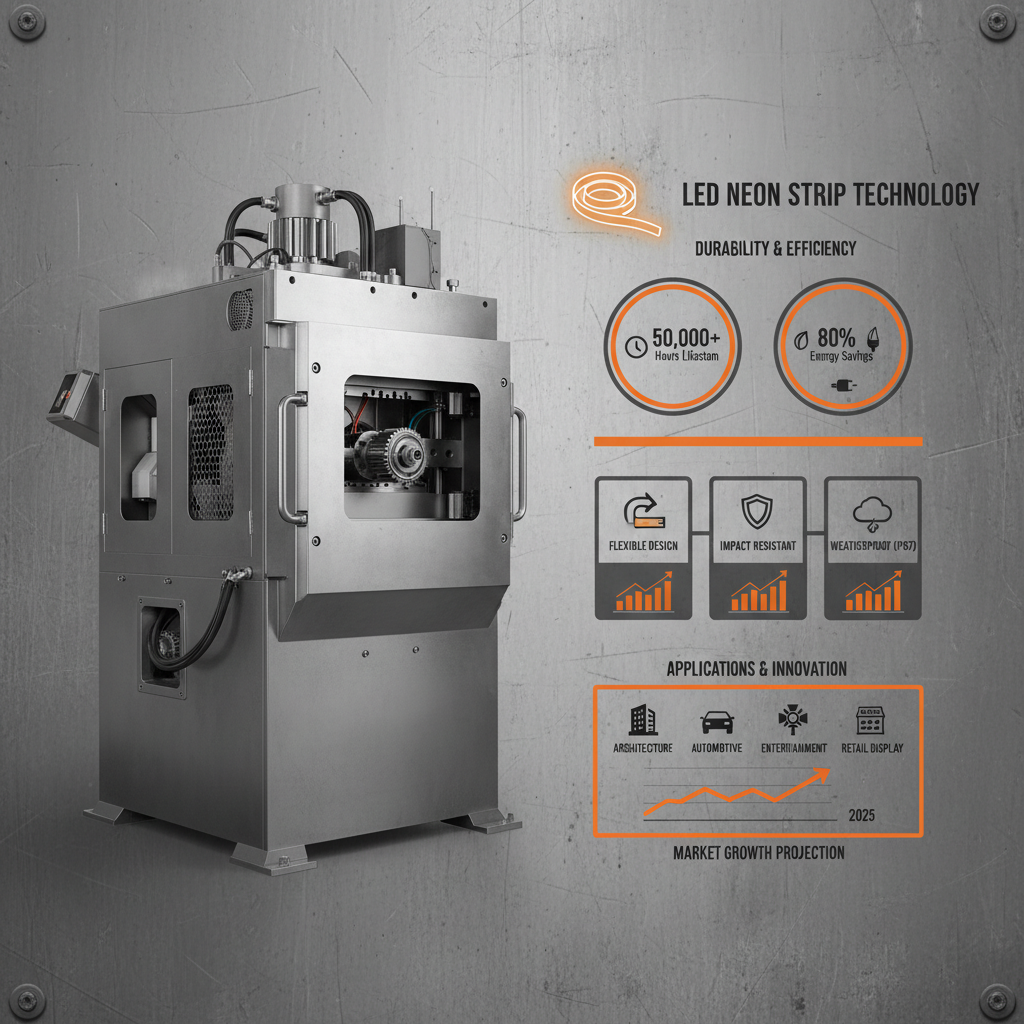
The appeal of led neon light strips lies in a combination of several key characteristics. Firstly, Flexibility allows for intricate shapes and designs, adapting to virtually any surface or application. Secondly, Energy Efficiency – LEDs consume significantly less power than traditional neon, reducing operating costs and environmental impact.
Another critical factor is Durability, the silicone or PVC coating provides excellent protection against impact, moisture, and UV radiation, extending the lifespan of the strip. Color Variety also plays a huge role, offering a wide range of static and dynamic color options to suit diverse aesthetic preferences. Finally, Ease of Installation makes them accessible for both professional installers and DIY enthusiasts.
Led Neon Light Strip Performance Metrics
Applications Across Industries
Led neon light strips have found diverse applications across a multitude of industries. In Retail, they are used to create eye-catching displays, highlight products, and enhance the overall shopping experience. Hospitality businesses employ them for ambient lighting, accentuating architectural features, and creating inviting atmospheres.
The Automotive industry utilizes them for interior and exterior lighting, providing unique styling and increased visibility. Residential applications range from accent lighting in kitchens and living rooms to decorative elements in bedrooms and outdoor spaces. In Event Production, they provide vibrant and dynamic lighting effects for concerts, festivals, and trade shows. led neon light strips offer unparalleled flexibility.
Advantages and Long-Term Value
The benefits of using led neon light strips extend beyond aesthetics. The Cost Savings from reduced energy consumption and longer lifespan translate to significant long-term financial gains. The Sustainability aspect, due to lower energy usage and reduced waste, aligns with growing environmental concerns.
Moreover, the Safety features, such as low-voltage operation and resistance to breakage, minimize risks associated with traditional neon lighting. The ability to create unique and customized lighting designs enhances Brand Identity and customer experience. The overall Reliability of these strips ensures consistent performance and minimizes maintenance requirements.
Future Trends and Innovations
The future of led neon light strips is poised for continued innovation. The integration of Smart Technology, such as Wi-Fi and Bluetooth control, will enable remote operation, color customization, and synchronized lighting effects. The development of more Flexible and Durable materials will expand the range of applications and improve longevity.
Advancements in LED Chip Technology will further enhance energy efficiency and color rendering accuracy. The increasing focus on Sustainable Manufacturing processes will minimize environmental impact and promote responsible production. Exploration of Biodegradable Materials for encapsulation promises a more eco-friendly alternative. These advancements solidify led neon light strips place at the forefront of lighting technology.
FAQS
Generally, led neon light strips can last between 50,000 to 100,000 hours, significantly longer than traditional neon lighting. This lifespan is influenced by factors like operating temperature, voltage stability, and the quality of the LED components. Proper installation and maintenance, such as avoiding excessive bending and protecting from moisture, can further extend their longevity.
Yes, many led neon light strips are designed for outdoor use. Look for strips with an IP (Ingress Protection) rating of IP65 or higher, indicating resistance to dust and water. However, it’s crucial to ensure the power supply and connections are also weatherproofed to prevent electrical hazards. Avoid submerging the strips entirely in water unless specifically rated for it.
Yes, most led neon light strips can be cut at designated cutting marks, typically indicated by scissor symbols. However, it's essential to use appropriate connectors or soldering techniques to re-connect the strips, ensuring a secure and weatherproof connection. Improper connections can lead to flickering or complete failure.
The required power supply depends on the total wattage of the led neon light strips you intend to use. Calculate the total wattage by multiplying the wattage per meter by the length of the strip. Choose a power supply that provides sufficient wattage with a slight margin (around 20%) for safety and optimal performance. Ensure the power supply is compatible with the strip’s voltage (typically 12V or 24V DC).
RGB led neon light strips require a dedicated RGB controller. These controllers allow you to select from a wide range of colors, adjust brightness, and often include preset lighting modes (e.g., fading, strobing). Controllers are typically operated via a remote control or smartphone app, providing convenient control over the lighting effects.
Yes, most led neon light strips are dimmable, but it requires a compatible dimmer. For PWM (Pulse Width Modulation) dimming, you'll need a PWM dimmer specifically designed for LED strips. Ensure the dimmer is compatible with the strip’s voltage and wattage. Using an incompatible dimmer can damage the strips or result in flickering.
Conclusion
In conclusion, led neon light strips represent a revolutionary advancement in lighting technology, offering a compelling combination of aesthetic appeal, energy efficiency, durability, and versatility. Their widespread adoption across diverse industries demonstrates their practical value and transformative potential. The ongoing innovations in materials, control systems, and sustainable manufacturing practices promise to further enhance their performance and broaden their applications.
Looking ahead, the integration of smart technology and the development of more eco-friendly materials will solidify led neon light strips’ position as a leading lighting solution. By embracing these advancements, we can unlock even greater benefits, creating brighter, more sustainable, and visually stunning environments for generations to come. Visit our website to explore our wide range of led neon light strips and discover how they can illuminate your projects.