The modern interior design landscape has been revolutionized by the emergence of the led neon wall light, a sophisticated evolution of traditional glass neon that blends artistic flair with sustainable engineering. As urban spaces become more compact and the demand for personalized atmospheric lighting grows, these flexible LED solutions offer a versatile way to transform sterile walls into vibrant canvases of light, bridging the gap between industrial efficiency and creative expression.
From a global manufacturing perspective, the shift toward LED-based neon mimics the broader trend of energy transition and material innovation. By replacing fragile, high-voltage gas tubes with durable silicone and energy-efficient diodes, the led neon wall light has democratized high-end commercial signage, making it accessible for residential use and small business branding without the prohibitive costs of traditional neon craftsmanship.
Understanding the technical composition and application of these lighting elements is crucial for architects, designers, and homeowners alike. This guide explores the intricate balance of material science—specifically the use of high-grade silicone and TPE—and the electronic precision required to create a seamless, flicker-free glow that defines the contemporary led neon wall light experience.
Global Context of LED Neon Innovation
The global lighting market has seen a drastic pivot toward sustainability, driven by ISO standards for energy efficiency and international climate goals. The led neon wall light emerged as a direct response to the inefficiency and safety risks associated with traditional neon, which required hazardous gases and extreme voltages. Today, the integration of semiconductor technology allows for a 70-90% reduction in energy consumption compared to legacy systems.
In rapid-growth urban centers across Asia and North America, the demand for "Instagrammable" environments has pushed the led neon wall light from a niche novelty to a staple of commercial interior design. This shift is not merely aesthetic but economic; the lower cost of installation and maintenance allows businesses to pivot their branding dynamically, reflecting the fast-paced nature of modern retail and hospitality.
Defining the Modern LED Neon Wall Light
At its most basic level, an led neon wall light is a high-density LED strip encased in a flexible, diffusing polymer—usually silicone or PVC. Unlike traditional neon, which uses an electric discharge of ionized gas, these modern fixtures rely on light-emitting diodes to produce a consistent glow. The "neon" aspect refers to the visual effect: a smooth, continuous line of light without the visible "dots" associated with standard LED strips.
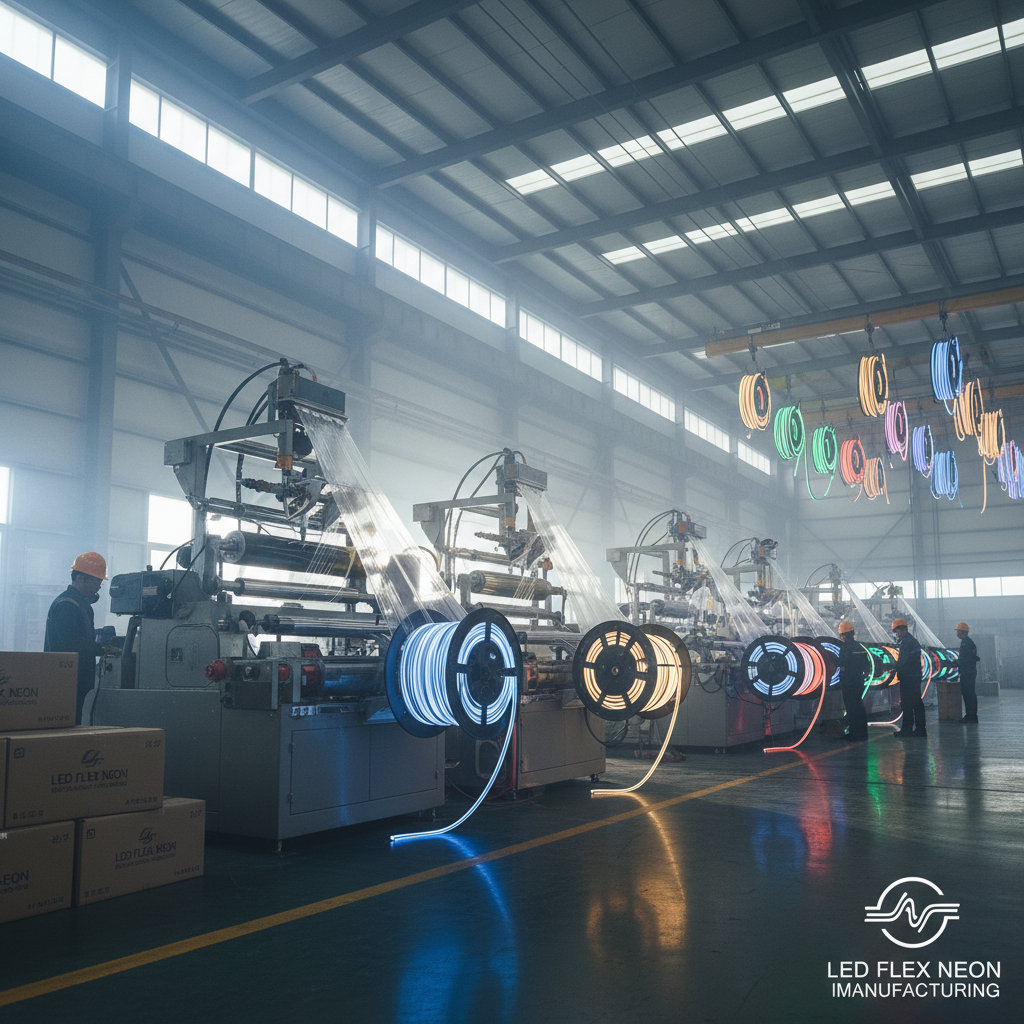
This technology serves a critical role in the intersection of industrial manufacturing and artistic design. By utilizing extrusion profiles and precise silicone molding, manufacturers can create tubes that are not only waterproof and shock-resistant but also highly bendable. This allows the led neon wall light to be shaped into complex logos, scripts, or abstract geometric patterns that were previously impossible or too expensive to produce.
Beyond the visual appeal, the humanitarian and safety aspect is paramount. Traditional neon posed risks of mercury leakage and electrical fires. In contrast, the led neon wall light operates on low voltage (typically 12V or 24V), making it safe for installation in high-traffic areas, children's rooms, and moisture-prone environments, effectively solving the safety dilemma of atmospheric lighting.
Core Components and Material Engineering
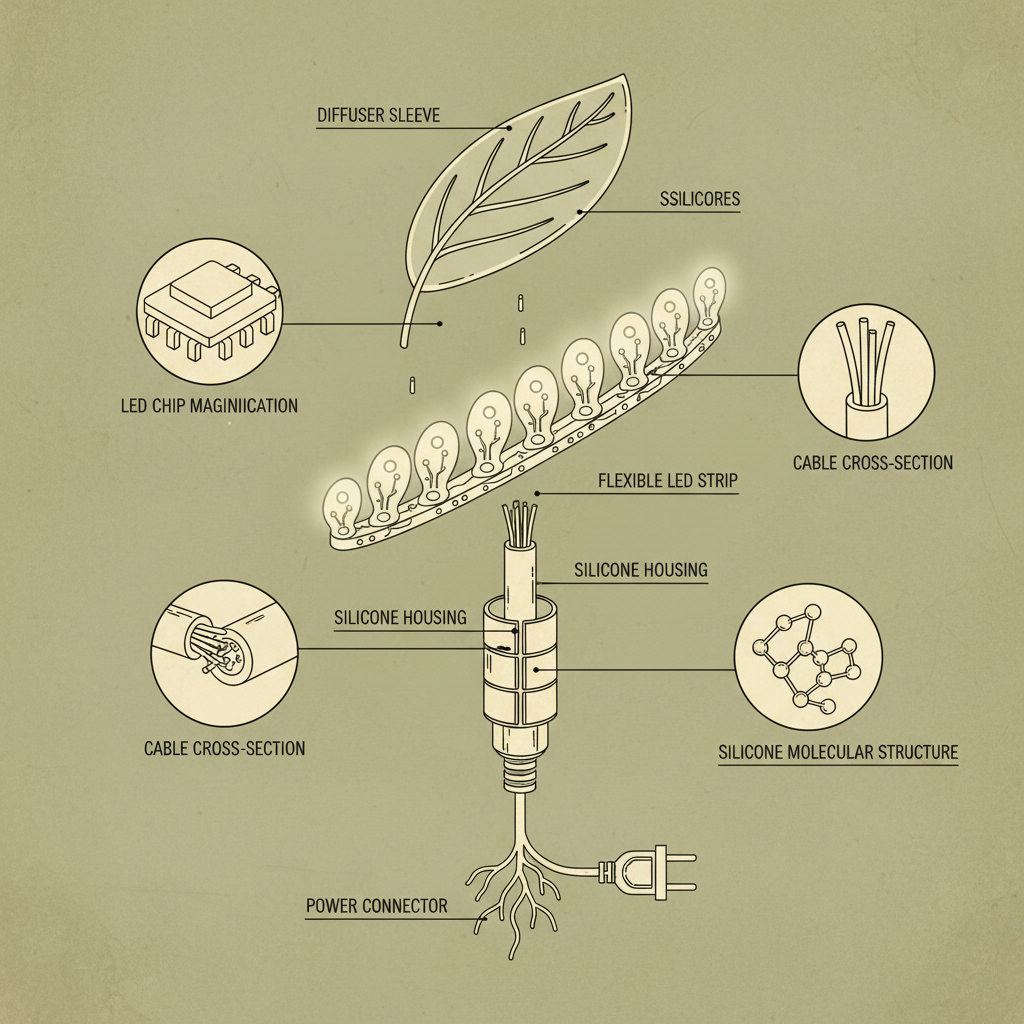
The structural integrity of a high-quality led neon wall light begins with the diffusion layer. This outer skin must possess the perfect balance of opacity and transparency to hide the LED beads while allowing maximum lumen output. Advanced polymers are engineered to resist UV yellowing, ensuring that the light remains crisp and the color remains true over thousands of hours of operation.
Central to the performance of the led neon wall light is the internal LED PCB (Printed Circuit Board). By utilizing SMD (Surface Mounted Device) LEDs with high-density spacing, the light source creates a seamless glow. The heat dissipation properties of the surrounding silicone are crucial here, as they prevent the diodes from overheating, thereby extending the lifespan of the product significantly.
Finally, the power conversion system—the driver—ensures that the led neon wall light receives a stable current. Modern drivers are often dimmable and compatible with smart home systems, allowing the user to adjust the mood through an app or voice command. This convergence of chemical engineering (silicone) and electrical engineering (SMD LEDs) is what makes the product a marvel of modern industrial design.
Performance Metrics and Efficiency Analysis
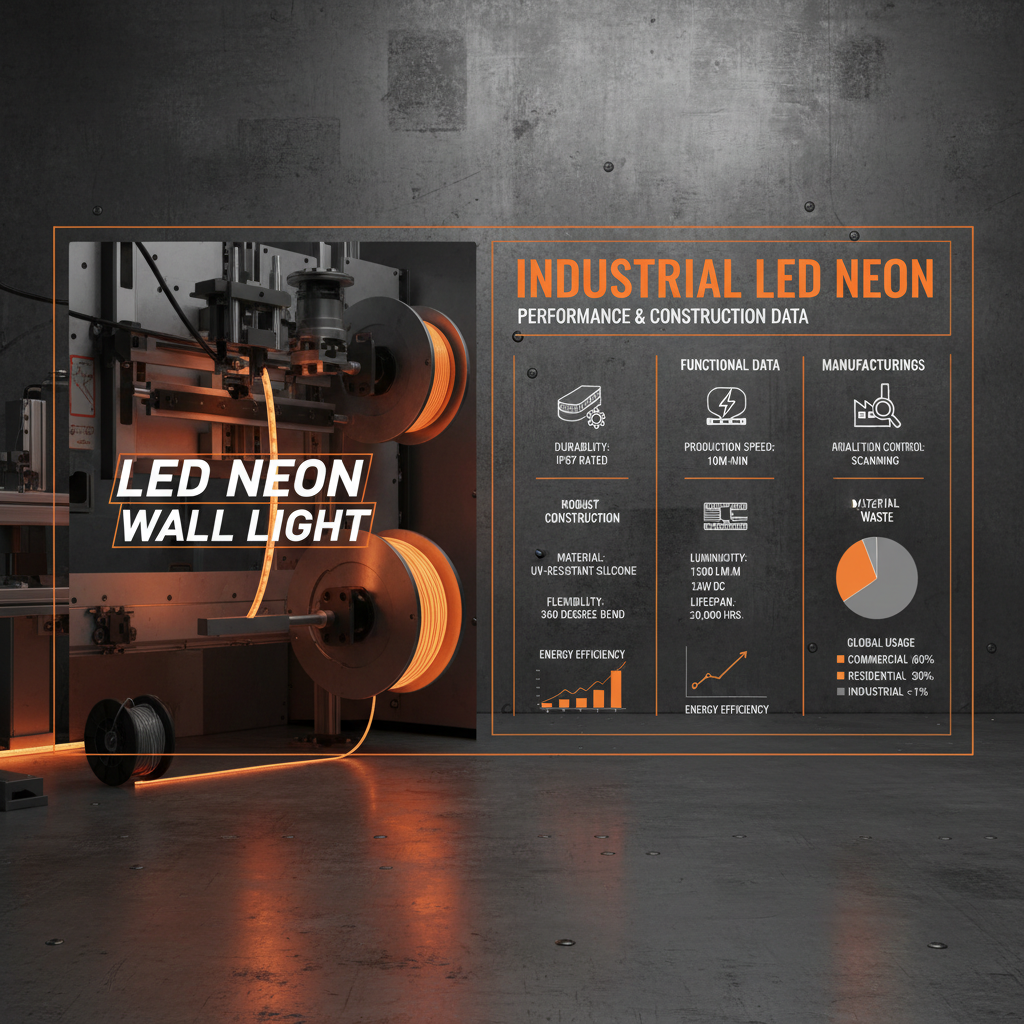
When evaluating the quality of an led neon wall light, professionals look at three primary metrics: Luminous Efficacy, Color Rendering Index (CRI), and Thermal Stability. Luminous efficacy measures how much light is produced per watt, which directly impacts the operational cost for large-scale installations. High-end neon lights utilize specialized phosphors to ensure that the light emitted is natural and doesn't cause eye strain.
Furthermore, the durability of the led neon wall light is tested against environmental stressors. Because these lights are often used in bars, nightclubs, or outdoor signage, they must maintain an IP (Ingress Protection) rating that prevents dust and water from penetrating the silicone casing. This ensures that the internal circuitry remains isolated from oxidation and short circuits.
Performance Comparison of LED Neon Wall Light Technologies
Global Applications and Industrial Use Cases
The versatility of the led neon wall light allows it to penetrate diverse industries. In the retail sector, brands use these lights to create high-impact window displays that attract foot traffic. Because they are lightweight and easy to mount, they are often used in pop-up shops where rapid installation and teardown are required. The ability to customize shapes allows for exact logo reproduction, enhancing brand recognition.
Beyond commercial use, the led neon wall light is increasingly found in urban infrastructure and public art installations. In smart cities, these lights are integrated into pedestrian walkways and bicycle lanes to provide safety lighting that is both functional and aesthetically pleasing. Even in remote industrial zones, the low power requirement makes them ideal for signage powered by solar arrays or battery backups.
Long-term Value and Sustainability Benefits
Investing in an led neon wall light offers tangible long-term value through reduced maintenance costs. Unlike traditional neon, which requires professional gas refilling and glass blowing if a tube breaks, LED neon is modular. If a section fails, it can often be replaced or repaired without discarding the entire installation, significantly reducing waste and downtime.
From a sustainability angle, the materials used in modern led neon wall light production are increasingly eco-friendly. Many manufacturers are moving toward recyclable silicone and lead-free solder. The elimination of mercury—a toxic component of traditional neon—makes these lights safer for the environment during both the production and disposal phases.
Emotionally, the soft, diffused glow of a led neon wall light contributes to psychological well-being by creating "mood spaces." Whether it's a calming blue in a healthcare facility or a vibrant pink in a creative studio, the ability to manipulate the emotional tone of a room through lighting is a powerful tool for improving the quality of human environments.
Future Trends in Neon Lighting Technology
The future of the led neon wall light lies in the integration of "smart" capabilities and dynamic control. We are seeing a move toward Addressable LEDs (ARGB), where every single diode can be controlled individually. This allows for flowing animations, color gradients, and interactive lighting that responds to sound, motion, or external data feeds in real-time.
Material science is also evolving, with the development of self-healing polymers and ultra-flexible elastomers that allow the led neon wall light to be integrated directly into fabrics or 3D-printed structures. This blur between lighting and architecture suggests a future where light is not something added to a wall, but is an intrinsic part of the wall's material composition.
Furthermore, the push toward "Net Zero" is driving the adoption of higher-efficiency GaN (Gallium Nitride) drivers, which further reduce energy loss during power conversion. As automation in manufacturing increases, we can expect the cost of custom led neon wall light configurations to drop, enabling mass customization on a global scale.
Technical Analysis of LED Neon Material Performance
|
Material Type
|
Flexibility Score (1-10)
|
UV Resistance
|
Avg. Lifespan (Hours)
|
|
Premium Silicone
|
10
|
Excellent
|
50,000+
|
|
Standard PVC
|
6
|
Moderate
|
30,000
|
|
TPE Elastomer
|
9
|
High
|
40,000
|
|
Hard Acrylic
|
2
|
High
|
50,000
|
|
Recycled Polymer
|
7
|
Moderate
|
25,000
|
|
Hybrid Silicone-TPE
|
9
|
Excellent
|
45,000
|
FAQS
Yes, absolutely. Unlike traditional neon, which uses high voltage and toxic gases, an led neon wall light operates on low voltage (usually 12V or 24V) and is encased in non-toxic silicone or PVC. This makes it perfectly safe for residential environments, including bedrooms and nurseries, as it does not emit heat or dangerous fumes.
A professional-grade led neon wall light utilizing high-quality SMD LEDs and premium silicone typically lasts between 30,000 to 50,000 hours. Depending on usage (e.g., 8 hours a day), this can translate to over 10 years of service. The longevity depends heavily on the quality of the driver and the thermal management of the silicone casing.
Yes, provided the product has a suitable IP rating (typically IP65 or IP67). Most silicone-based led neon wall lights are naturally water-resistant. However, it is critical to ensure that the power adapter and connection points are also weatherproofed to prevent short circuits from moisture ingress.
Maintenance is minimal compared to glass neon. For an led neon wall light, simply wipe the surface with a soft, damp microfiber cloth to remove dust. Avoid using harsh chemical solvents or abrasive scrubbers, as these can scratch the diffusing polymer and affect the clarity of the light.
Silicone is the premium choice for an led neon wall light; it is more flexible, has superior UV resistance (won't yellow over time), and is more heat-resistant. PVC is more cost-effective and rigid, but it can become brittle and yellow when exposed to sunlight or prolonged heat, making silicone the better choice for long-term installations.
Yes, most modern led neon wall light systems are compatible with PWM dimmers. If the lights are based on ARGB (Addressable RGB) technology, they can be connected to a smart controller, allowing you to change colors, set animations, and synchronize the lighting with music via a smartphone app or voice assistants.
Conclusion
The transition from traditional gas-filled tubes to the led neon wall light represents a significant leap in both industrial capability and design freedom. By combining the timeless aesthetic of neon with the efficiency of semiconductor lighting and the durability of advanced polymers, these fixtures provide a sustainable, safe, and highly customizable solution for any space. Whether used for commercial branding or personal artistic expression, the core value lies in their ability to blend technical precision with emotional impact.
Looking forward, the integration of smart materials and IoT connectivity will likely turn the led neon wall light into an interactive element of the built environment. For those seeking to enhance their space with vibrant, energy-efficient lighting, focusing on material quality—specifically silicone over PVC—is the key to ensuring long-term satisfaction. Explore the possibilities of modern illumination and transform your environment today. Visit our website: www.pulongte.com