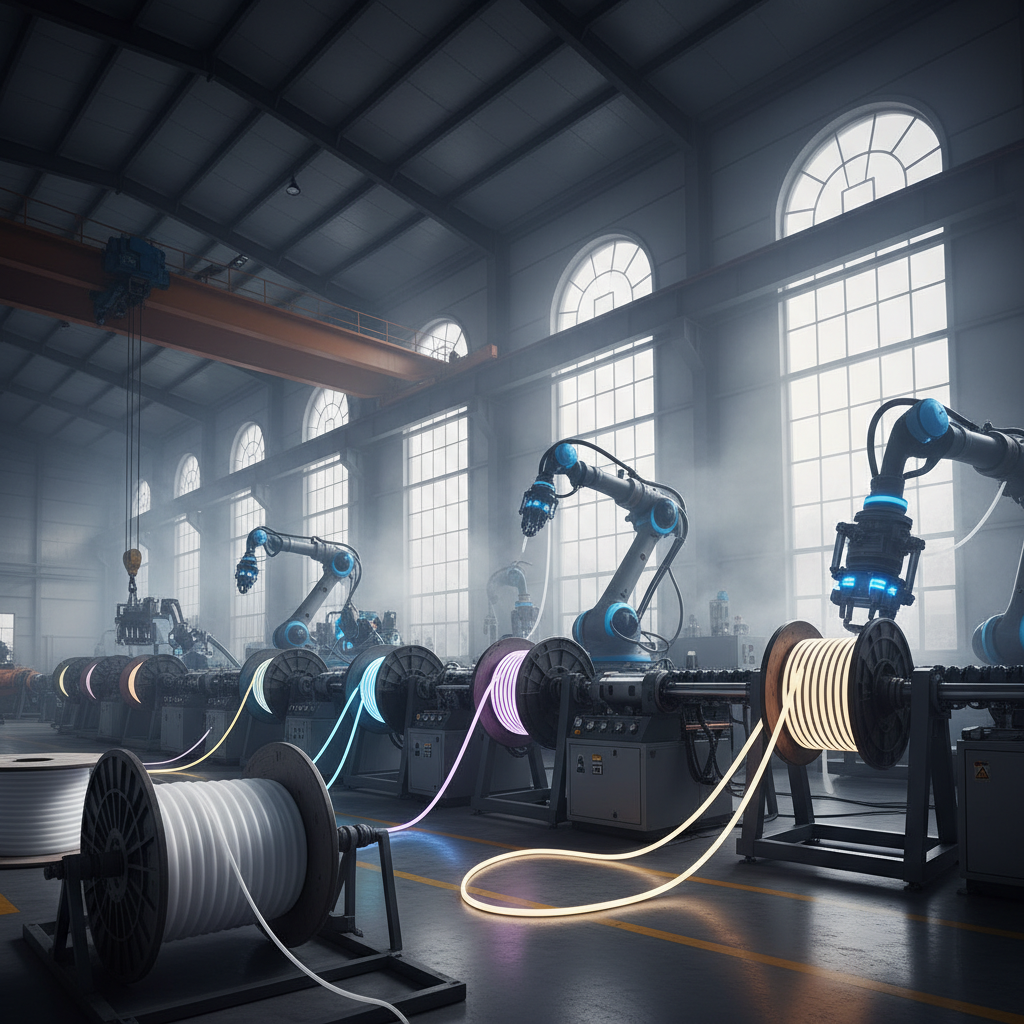
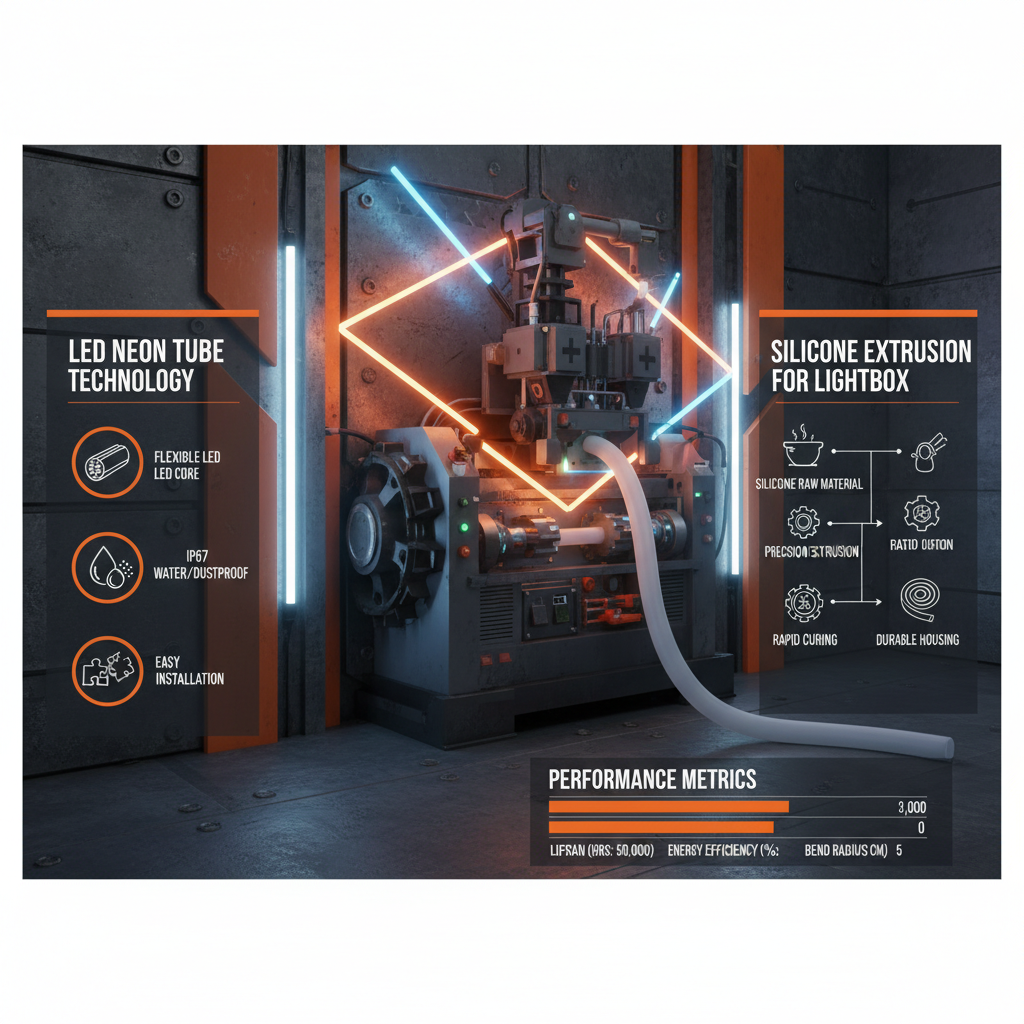
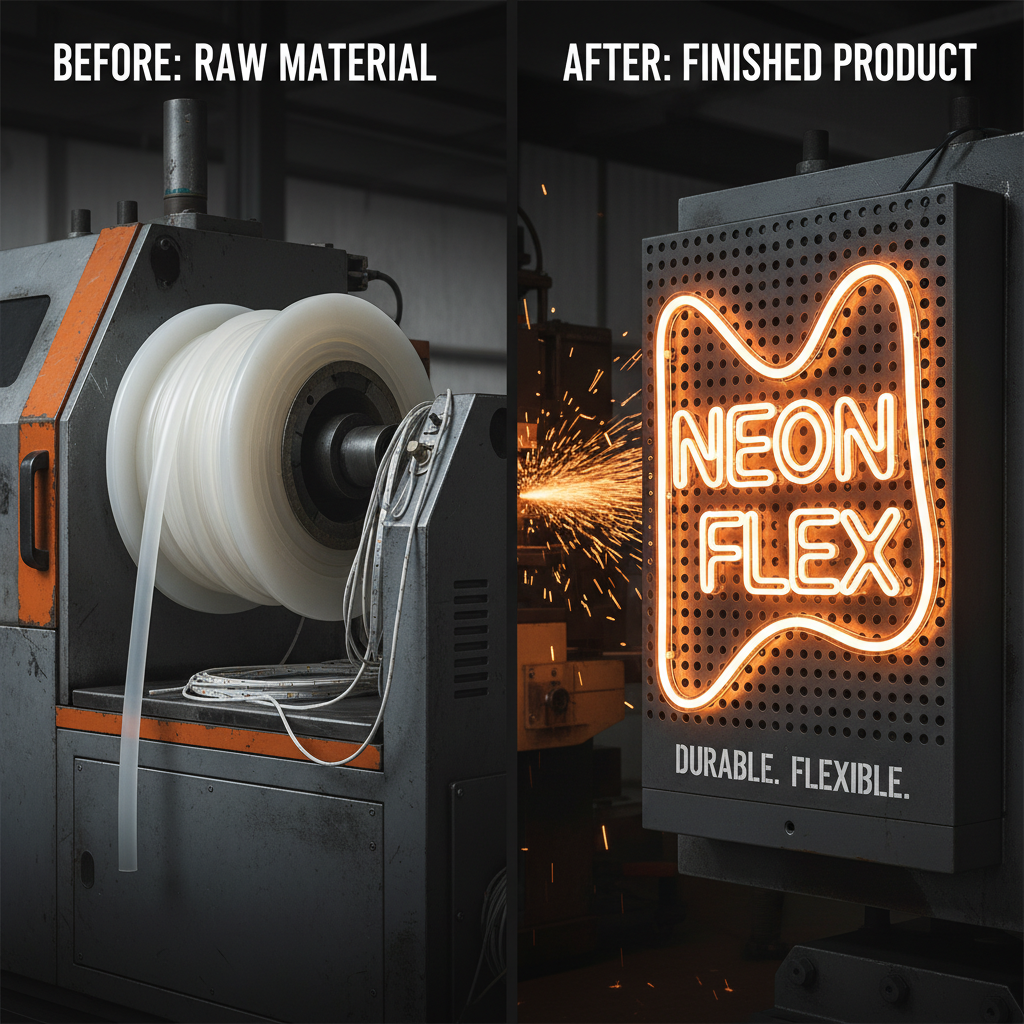
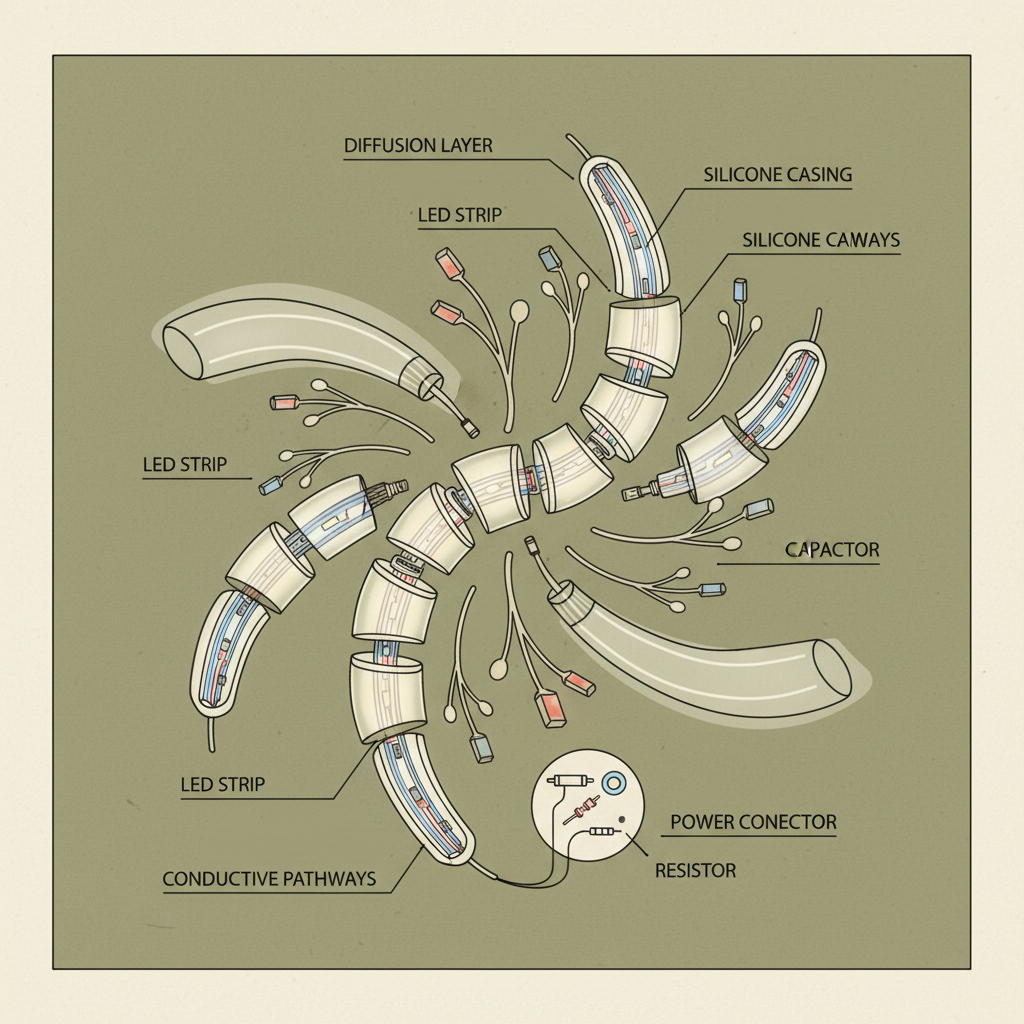
LED neon tube light represents a significant advancement in illumination technology, offering a versatile and energy-efficient alternative to traditional neon lighting. Its widespread adoption stems from its durability, flexibility in design, and lower operational costs. This technology has found increasing application across diverse sectors, from architectural lighting to vibrant signage, impacting visual communication globally.
The growing demand for LED neon tube light is driven by the increasing need for sustainable and visually appealing lighting solutions. Concerns regarding the environmental impact of traditional neon—including mercury content and high energy consumption—are pushing industries towards more eco-friendly options. Furthermore, advancements in LED technology continue to enhance the brightness, color accuracy, and lifespan of these tubes, making them increasingly competitive.
This innovation isn't simply about brighter lights; it represents a shift towards smarter, more responsible illumination that meets both aesthetic and environmental demands. Understanding its properties and applications is crucial for businesses and consumers alike in navigating the evolving landscape of modern lighting.
The Global Rise of led neon tube light
The global market for LED lighting, including led neon tube light, has experienced exponential growth in recent years, driven by increasing energy efficiency standards and a growing awareness of environmental sustainability. According to a report by the United Nations Environment Programme, widespread adoption of LED lighting could reduce global electricity consumption by up to 15%. This trend is particularly pronounced in urban centers seeking to reduce their carbon footprint and enhance the aesthetic appeal of their environments.
The demand for led neon tube light is not limited to developed nations; emerging economies are also rapidly adopting this technology as they invest in modern infrastructure and strive to improve their energy efficiency. This has led to a significant increase in manufacturing capacity, particularly in Asia, resulting in lower prices and wider accessibility. This global shift highlights the importance of understanding and leveraging the benefits of led neon tube light in a variety of contexts.
Understanding led neon tube light: A Definition
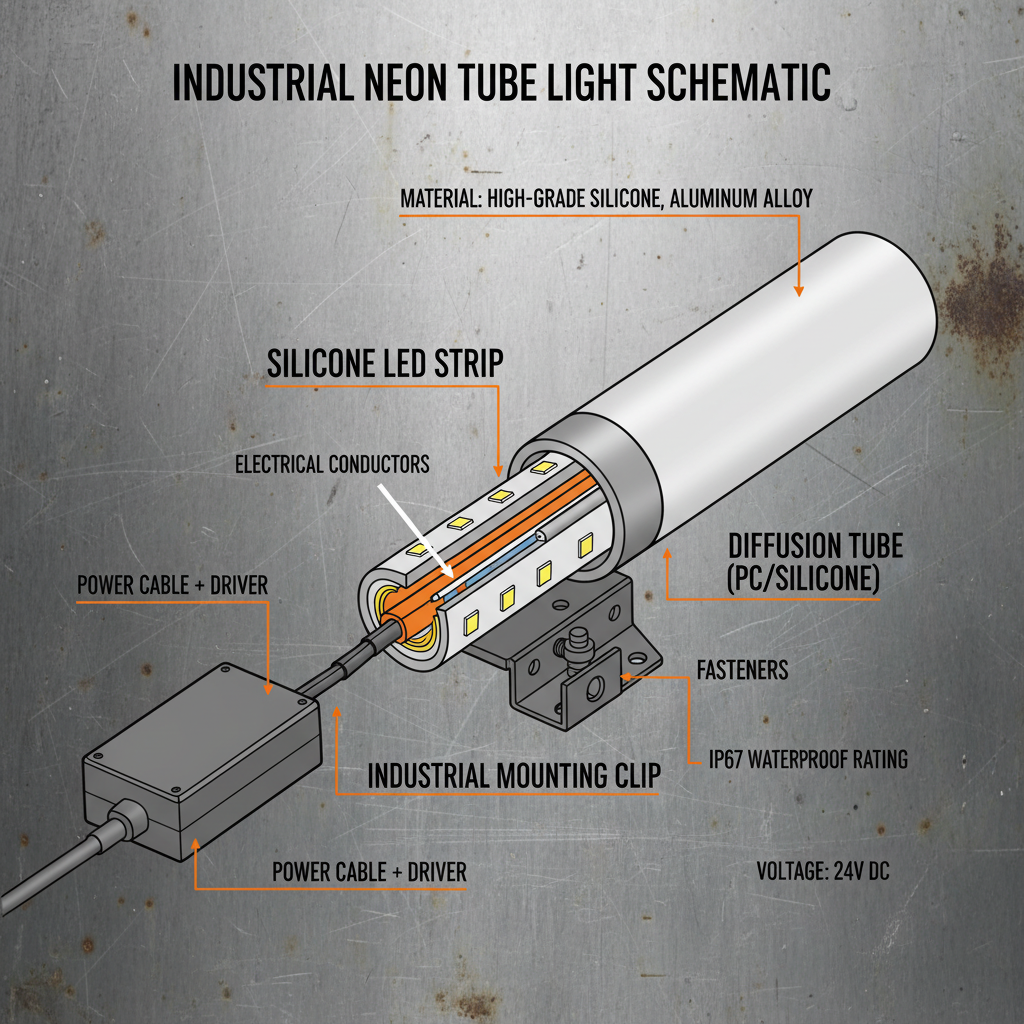
led neon tube light, at its core, is a solid-state lighting technology that uses light-emitting diodes (LEDs) encased within a flexible silicone or PVC housing to mimic the look of traditional glass neon lighting. Unlike traditional neon, which relies on ionized gas, LEDs produce light through electroluminescence—the emission of light when an electric current passes through a semiconductor material. This fundamental difference translates to greater energy efficiency, longer lifespan, and increased durability.
This technology bridges the gap between classic neon aesthetics and modern lighting performance. It provides designers and architects with the freedom to create intricate shapes and dynamic lighting displays without the limitations and safety concerns associated with traditional neon. Its application extends beyond mere illumination; it’s a medium for artistic expression and impactful visual communication.
In an industrial context, the ability to create custom shapes and sizes with led neon tube light allows for seamless integration into complex designs, optimizing both form and function. It's a solution that addresses both aesthetic preferences and practical requirements in a wide array of applications.
Core Components and Key Factors
Several key factors contribute to the superior performance of led neon tube light. Firstly, Energy Efficiency is paramount, consuming significantly less power than traditional neon while delivering comparable brightness. Secondly, Flexibility allows for intricate designs and installations that would be impossible with rigid glass tubes. Thirdly, Durability ensures a longer lifespan and resistance to breakage, reducing maintenance costs.
The Color Rendering Index (CRI) is a crucial consideration, determining the accuracy with which colors are displayed. High-quality led neon tube light boasts a CRI of 80 or higher, ensuring vibrant and natural-looking colors. Furthermore, IP Rating (Ingress Protection) defines the level of protection against dust and water, essential for outdoor and harsh environment applications. Finally, Voltage requirements dictate the power supply needed for safe and efficient operation.
Understanding these components and factors is essential for selecting the appropriate led neon tube light for a specific application. Choosing the right combination of efficiency, flexibility, durability, and protection ensures optimal performance and longevity. The availability of dimming options and custom color selections further enhances its versatility.
Applications Across Industries
The versatility of led neon tube light makes it suitable for a wide range of applications across numerous industries. In Retail and Advertising, it’s used for eye-catching signage, storefront illumination, and dynamic displays that attract customers. The vibrant colors and flexibility allow for creative branding and impactful visual merchandising.
In the Architectural and Construction sectors, led neon tube light is employed for building outlines, facade lighting, and decorative elements, enhancing aesthetic appeal and creating memorable landmarks. Its low energy consumption also contributes to green building initiatives. Furthermore, the Entertainment Industry leverages this technology for stage lighting, set design, and immersive installations, adding a dynamic and visually striking element to performances and events.
led neon tube light Application Breakdown by Industry
Advantages and Long-Term Value
The advantages of adopting led neon tube light extend beyond immediate cost savings. Cost-Effectiveness is realized through lower energy consumption and a significantly longer lifespan compared to traditional neon, reducing replacement and maintenance expenses. This translates to a substantial return on investment over time.
Furthermore, Sustainability is a key benefit, as LEDs are free of hazardous materials like mercury and consume less energy, minimizing environmental impact. This aligns with growing corporate social responsibility initiatives and contributes to a greener future. The inherent Reliability of LEDs, coupled with the durable silicone or PVC housing, ensures consistent performance and reduces the risk of failure, increasing operational efficiency.
Future Trends and Innovation
The future of led neon tube light is marked by continued innovation and integration with emerging technologies. Advancements in Smart Lighting Control will allow for dynamic color changes, programmed sequences, and remote control via smartphone or computer, further enhancing its versatility. The development of Flexible and Stretchable LEDs promises even more creative design possibilities, enabling integration into curved surfaces and wearable technology.
Moreover, the focus on Sustainable Materials and manufacturing processes is driving the development of eco-friendly silicone and PVC compounds, reducing the environmental footprint of led neon tube light production. The convergence of LED technology with IoT (Internet of Things) will enable intelligent lighting systems that respond to environmental conditions and user preferences, optimizing energy efficiency and enhancing user experience.
Challenges and Potential Solutions
Despite its numerous advantages, led neon tube light faces certain challenges. One key concern is Heat Management, as LEDs can generate heat that affects their performance and lifespan. Effective heat dissipation solutions, such as aluminum heat sinks and optimized circuit designs, are crucial for mitigating this issue.
Another challenge is Color Consistency, ensuring uniform color output across the entire length of the tube. Advanced manufacturing techniques and quality control measures are essential for maintaining consistent color performance. Finally, the Initial Cost can be higher than traditional neon, although this is often offset by long-term energy savings and reduced maintenance costs.
Core Factors Influencing led neon tube light Performance
| Component Quality |
Heat Dissipation Efficiency |
Power Supply Reliability |
Silicone/PVC Durability |
| Component Grade (1-10) |
Heat Sink Performance (1-10) |
Power Supply Lifespan (Years) |
UV Resistance (1-10) |
| 9 |
8 |
5 |
7 |
| 7 |
6 |
3 |
6 |
| 8 |
9 |
7 |
9 |
| 6 |
5 |
2 |
5 |
| 10 |
10 |
10 |
10 |
FAQS
A high-quality led neon tube light typically boasts a lifespan of 50,000 to 80,000 hours, significantly exceeding that of traditional neon. This extended lifespan translates to reduced replacement costs and minimal maintenance, making it a cost-effective long-term lighting solution. Proper heat management and a reliable power supply are crucial for maximizing lifespan.
Yes, led neon tube light is generally considered very safe to handle and install. Unlike traditional neon which contains hazardous mercury, LEDs are non-toxic. However, it's essential to disconnect the power supply before installation and follow all safety guidelines provided by the manufacturer. A qualified electrician should be consulted for complex installations.
Many led neon tube light products are designed to be cut to custom lengths at designated cutting points, typically marked along the tube. However, it’s crucial to follow the manufacturer’s instructions carefully to avoid damaging the LEDs or compromising the tube’s water resistance. Specific accessories, like end caps, may be required after cutting.
The IP (Ingress Protection) rating indicates the level of protection against dust and water. A higher IP rating signifies greater protection. For outdoor applications or environments with high humidity, a higher IP rating (e.g., IP67 or IP68) is essential to ensure durability and prevent damage. Choosing the appropriate IP rating depends on the specific installation environment.
The Color Rendering Index (CRI) measures how accurately a light source renders colors compared to natural sunlight. A higher CRI (80 or above) indicates more accurate color representation, resulting in vibrant and natural-looking colors. Lower CRI values can distort colors, making them appear washed out or unnatural. For applications where accurate color is critical, a high CRI is essential.
led neon tube light consumes significantly less energy than traditional neon lighting—typically 60-80% less. This translates to substantial cost savings on electricity bills and a reduced carbon footprint. The longer lifespan of LEDs also contributes to energy savings by minimizing the frequency of replacements. Over time, the energy savings can offset the initial investment cost.
Conclusion
In conclusion, led neon tube light represents a transformative advancement in lighting technology, offering a compelling blend of aesthetic appeal, energy efficiency, and long-term value. From architectural brilliance to captivating signage, its versatility and reliability make it a preferred choice across a diverse range of industries. Understanding its core components, advantages, and future trends is critical for leveraging its full potential.
As technology continues to evolve, we can anticipate even more innovative applications and improvements in led neon tube light performance. Embracing this technology is not only a smart investment but also a step towards a more sustainable and visually engaging future. For all your led neon tube light needs, visit our website: led neon tube light.