The evolution of architectural and commercial lighting has reached a pivotal turning point with the integration of neon lights led light strips. These innovative lighting solutions blend the classic, vibrant aesthetic of traditional neon with the efficiency and versatility of modern semiconductor technology, allowing designers to create immersive environments that were previously cost-prohibitive.
Beyond mere decoration, the adoption of these advanced lighting systems represents a shift toward sustainable urban development. By replacing high-voltage glass tubes with flexible silicone and energy-efficient LEDs, businesses can reduce their carbon footprint while enhancing visual communication and brand visibility in an increasingly crowded global marketplace.
Understanding the technical nuances of neon lights led light strips—from the quality of the silicone extrusion to the thermal management of the LED chips—is essential for ensuring longevity and safety. As we delve deeper into this technology, it becomes clear that the intersection of rubber/plastic manufacturing and electronics is where the future of ambient lighting resides.
Global Market Impact of Neon LED Lighting
The global demand for neon lights led light strips has surged as cities worldwide embrace "smart city" initiatives. According to trends aligned with ISO energy standards, the transition from traditional gas-discharge neon to LED-based alternatives has reduced energy consumption in commercial signage by up to 70%. This shift is not merely aesthetic but a response to global mandates for reducing urban light pollution and energy waste.
In industrial hubs across Asia and Europe, the integration of these flexible lighting systems has revolutionized retail architecture. The primary challenge addressed by this technology is the fragility and high maintenance cost of traditional glass neon. By utilizing high-grade silicone and TPE profiles, manufacturers have created a product that is virtually unbreakable and significantly easier to install, democratizing high-end lighting design for small and medium enterprises.
Defining Modern LED Neon Technology
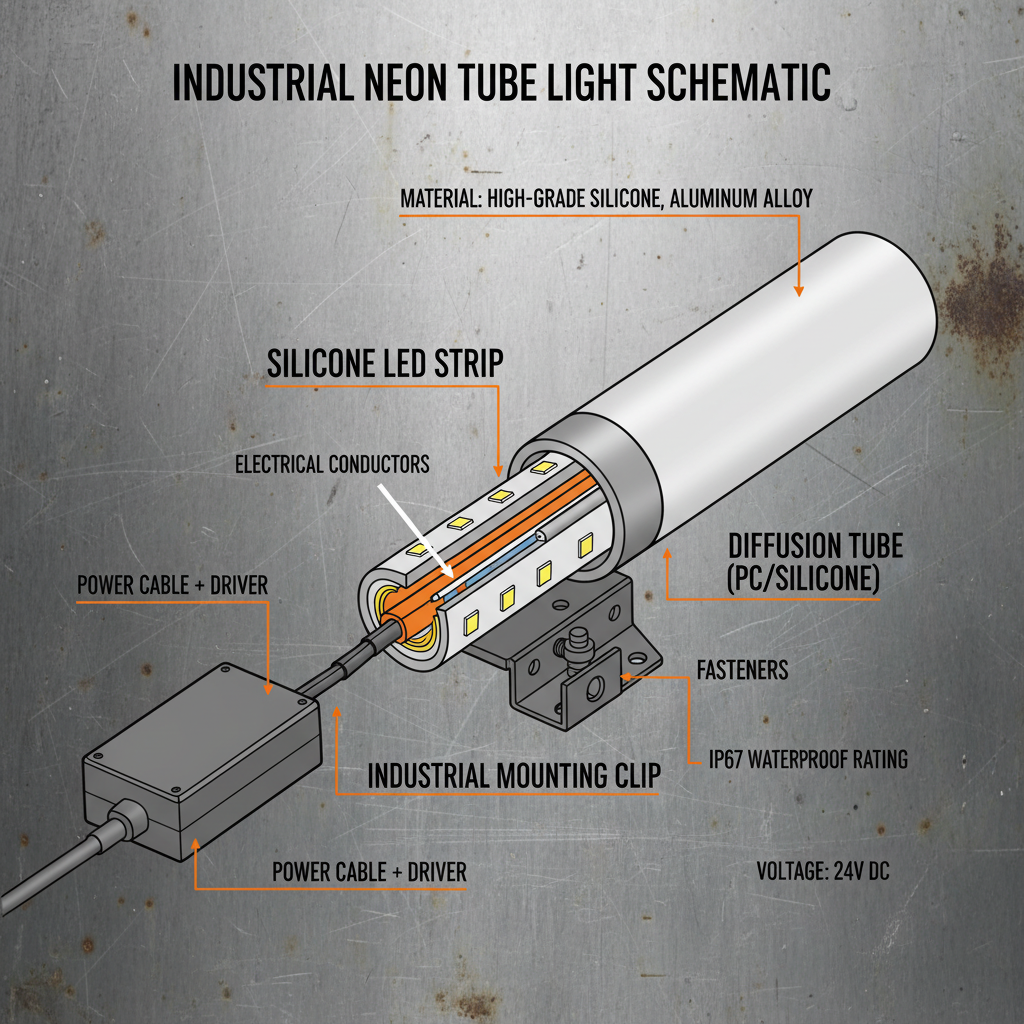
At its core, neon lights led light strips are a composite product consisting of high-density LED diodes encased within a diffusive polymer sleeve. Unlike traditional neon, which requires neon or argon gas and high-voltage transformers, these LED strips operate on low-voltage DC power, making them safer for public spaces and residential interiors.
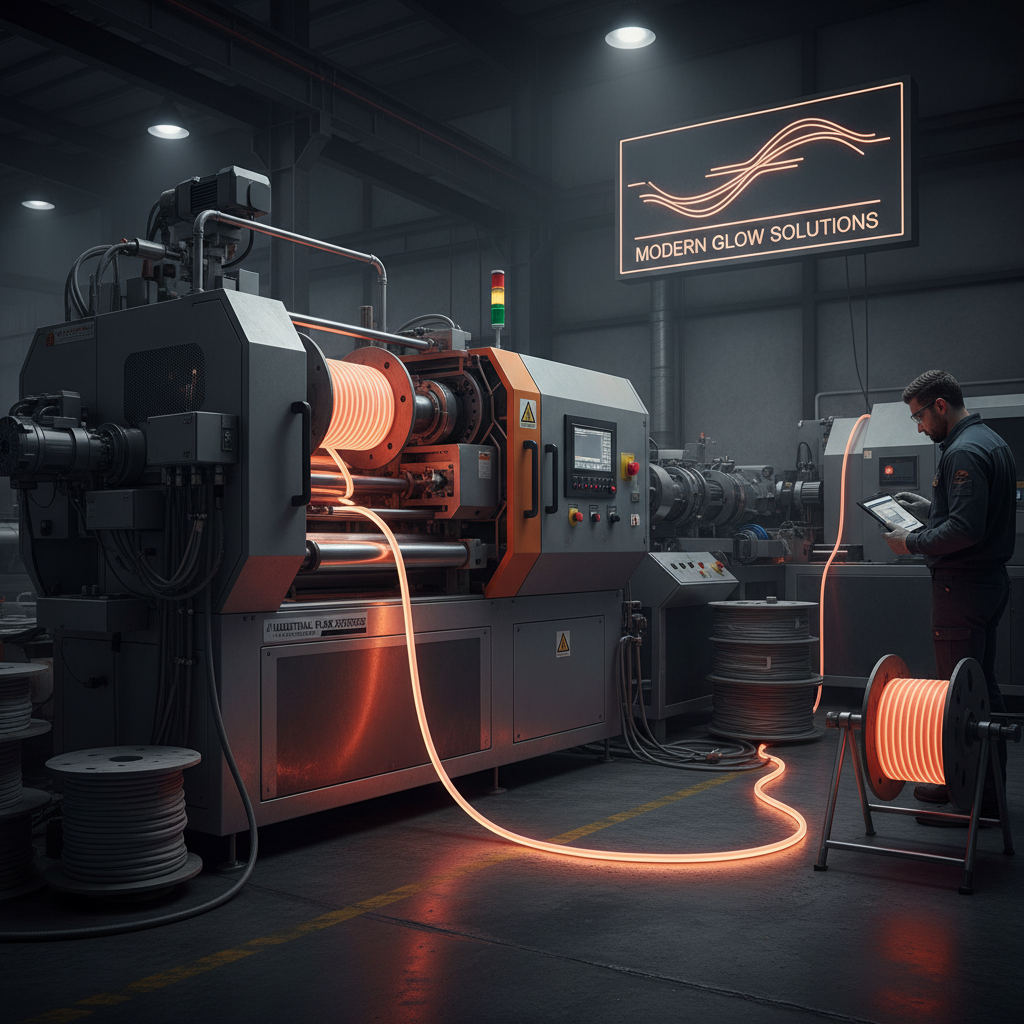
From a manufacturing perspective, the "neon" effect is achieved through advanced light diffusion. The outer shell—often a specialized silicone neon tube—is engineered to scatter the light emitted by the individual LEDs, eliminating "hot spots" and creating a seamless, continuous glow. This requires precise control over the polymer's opacity and the distance between the LED chip and the diffuser.
This technology bridges the gap between industrial durability and artistic expression. By leveraging plastic extrusion profiles, the industry can now produce lighting that is flexible enough to be bent into complex shapes yet robust enough to withstand extreme weather conditions, fulfilling a critical need for durable, weather-resistant outdoor signage.
Core Components and Material Integrity
The durability of neon lights led light strips depends heavily on the quality of the encapsulation material. High-grade silicone is preferred over PVC because it offers superior UV resistance and flexibility, preventing the yellowing or cracking that often occurs when lighting is exposed to direct sunlight for extended periods.
Another critical factor is the thermal conductivity of the internal substrate. Since LEDs generate heat, the use of aluminum-based PCBs or thermally conductive plastics ensures that the neon lights led light strips do not overheat, which would otherwise lead to lumen depreciation and a shorter overall lifespan of the light source.
Finally, the integration of IP65 or IP67 waterproofing ratings is essential for industrial applications. This involves seamless bonding between the lighting source and the silicone sleeve, ensuring that moisture and dust cannot penetrate the internal circuitry, thereby maintaining operational stability in harsh environments.
Performance Metrics and Efficiency
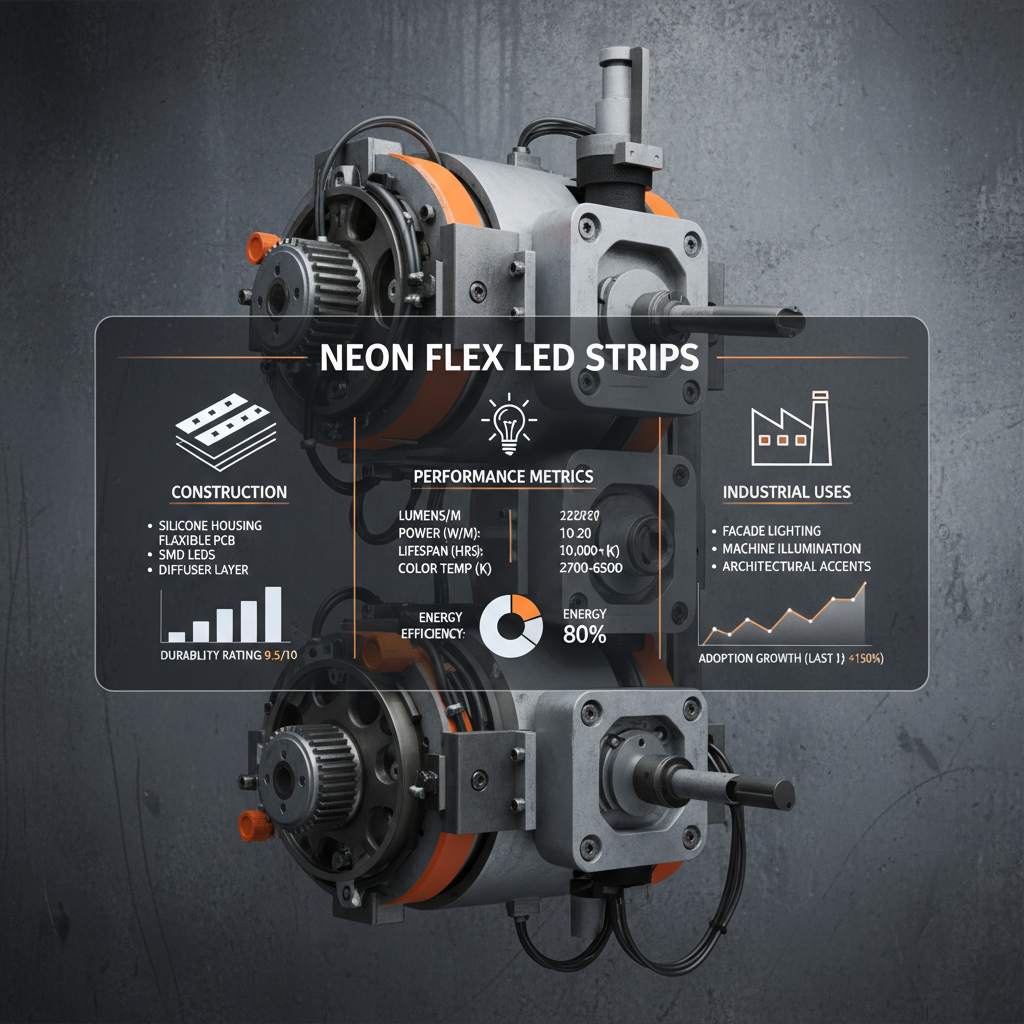
When evaluating the quality of neon lights led light strips, professionals look at the "Lumen per Watt" ratio and the Color Rendering Index (CRI). High-efficiency strips provide a brilliant, saturated glow while consuming minimal power, which is critical for large-scale installations where electricity costs can scale quickly.
Furthermore, the flexibility radius is a key mechanical metric. The ability of the strip to bend without compromising the internal circuitry allows for the creation of intricate 3D logos and organic shapes, making these strips the gold standard for modern interior branding and experiential marketing displays.
Performance Analysis of Neon LED Lighting Varieties
Global Applications and Use Cases
The versatility of neon lights led light strips extends far beyond traditional storefronts. In modern interior design, they are utilized for cove lighting and accent walls in luxury hotels and residential complexes in North America and East Asia, providing a soft, indirect light that enhances spatial depth and mood.
In more demanding environments, such as remote industrial zones or entertainment districts in Southeast Asia, these strips are employed for safety marking and high-visibility wayfinding. Their ability to withstand temperature fluctuations and humidity makes them ideal for outdoor installations where traditional lighting would fail rapidly due to corrosion or electrical shorts.
Long-Term Value and Sustainability
Investing in high-quality neon lights led light strips provides tangible long-term economic benefits. The reduction in maintenance costs—since there are no glass tubes to break and no gas to leak—significantly lowers the Total Cost of Ownership (TCO) for business owners and facility managers.
From a sustainability perspective, the shift toward LED technology aligns with global green energy goals. The materials used in premium strips, such as recyclable silicone, reduce the environmental impact compared to the toxic mercury used in traditional neon lighting. This transition not only protects the environment but also enhances the corporate image of brands committing to ESG (Environmental, Social, and Governance) standards.
Furthermore, the reliability of these systems ensures a level of safety and dignity in public spaces. Whether used in emergency lighting paths or urban art installations, the consistent performance of LED neon builds trust in the infrastructure and provides a sense of security and innovation in the urban landscape.
Future Trends in Flexible Lighting
The future of neon lights led light strips is inextricably linked to the digital transformation of the physical world. We are seeing the rise of "Smart Neon," where strips are integrated with IoT (Internet of Things) controllers, allowing them to change color and intensity in real-time based on environmental data, music, or user interaction via smartphone apps.
Material science is also evolving, with the development of bio-based polymers to replace petroleum-derived plastics. These new substrates will make the production of LED neon tubes entirely carbon-neutral, further pushing the industry toward a circular economy where lighting components can be fully recovered and recycled at the end of their lifecycle.
Additionally, the integration of AI-driven power management will allow these lighting systems to optimize energy use autonomously, dimming in areas of low activity and brightening during peak times. This synergy of rubber extrusion expertise and digital intelligence will redefine how we perceive and interact with light in our cities.
Comparative Analysis of Neon LED Lighting Material Standards
| Material Type |
UV Resistance |
Flexibility Grade |
Lifespan (Hours) |
| Premium Silicone |
Excellent |
High |
50,000+ |
| Standard PVC |
Low |
Medium |
20,000 |
| TPE Elastomer |
Good |
High |
35,000 |
| Acrylic Hybrid |
Very High |
Low |
40,000 |
| Rubberized Composite |
Medium |
Medium |
30,000 |
| Bio-Polymer (Eco) |
Good |
Medium |
30,000 |
FAQS
Traditional neon uses glass tubes filled with noble gases that require high-voltage electricity, making them fragile and energy-intensive. In contrast, neon lights led light strips use LED diodes encased in flexible silicone or PVC. They operate on low voltage, are virtually unbreakable, consume significantly less power, and offer a wider range of colors without the need for complex gas mixtures.
Yes, provided they have the correct IP rating (typically IP65 or IP67). High-quality neon lights led light strips are sealed with silicone extrusion that prevents water ingress. When paired with a waterproof power adapter, they are perfectly suited for outdoor environments, resisting both heavy rain and extreme UV exposure without degrading.
For long-term outdoor installations or high-end interiors, silicone is the superior choice due to its UV resistance and flexibility. PVC is more cost-effective and suitable for short-term indoor projects or low-budget applications, but it is prone to yellowing and becoming brittle over time when exposed to sunlight.
Most professional-grade LED neon strips are designed with specific "cut marks" every few centimeters. You can cut the strip at these designated points without damaging the rest of the circuit. Once cut, the ends can be capped and connected to a power source using specialized connectors or soldering.
A high-quality strip using premium LED chips and silicone encapsulation typically lasts between 30,000 and 50,000 hours. This equates to roughly 10-15 years of use if operated for 8-12 hours a day, far exceeding the maintenance cycle of traditional lighting systems.
Because neon lights led light strips operate on low voltage (typically 12V or 24V), they are much safer to handle than high-voltage systems. While basic installations can be done by a handy user, professional installation is recommended for complex architectural integrations or when connecting the power supply to the main building electrical grid.
Conclusion
The transition to neon lights led light strips represents a perfect synergy between advanced material science and lighting technology. By overcoming the fragility and inefficiency of traditional neon, these systems offer a sustainable, durable, and highly customizable solution for both commercial and residential spaces. From the critical role of silicone extrusion in weatherproofing to the energy-saving benefits of LED semiconductors, the value proposition is clear: superior aesthetics without the operational burden.
As we look forward, the integration of smart controls and bio-based materials will further elevate the impact of flexible lighting. For businesses and designers looking to enhance their visual identity while adhering to global sustainability standards, adopting high-quality LED neon solutions is no longer just an option—it is a strategic necessity. We invite you to explore the future of lighting and discover how the right materials can transform your vision into reality. Visit our website: www.pulongte.com