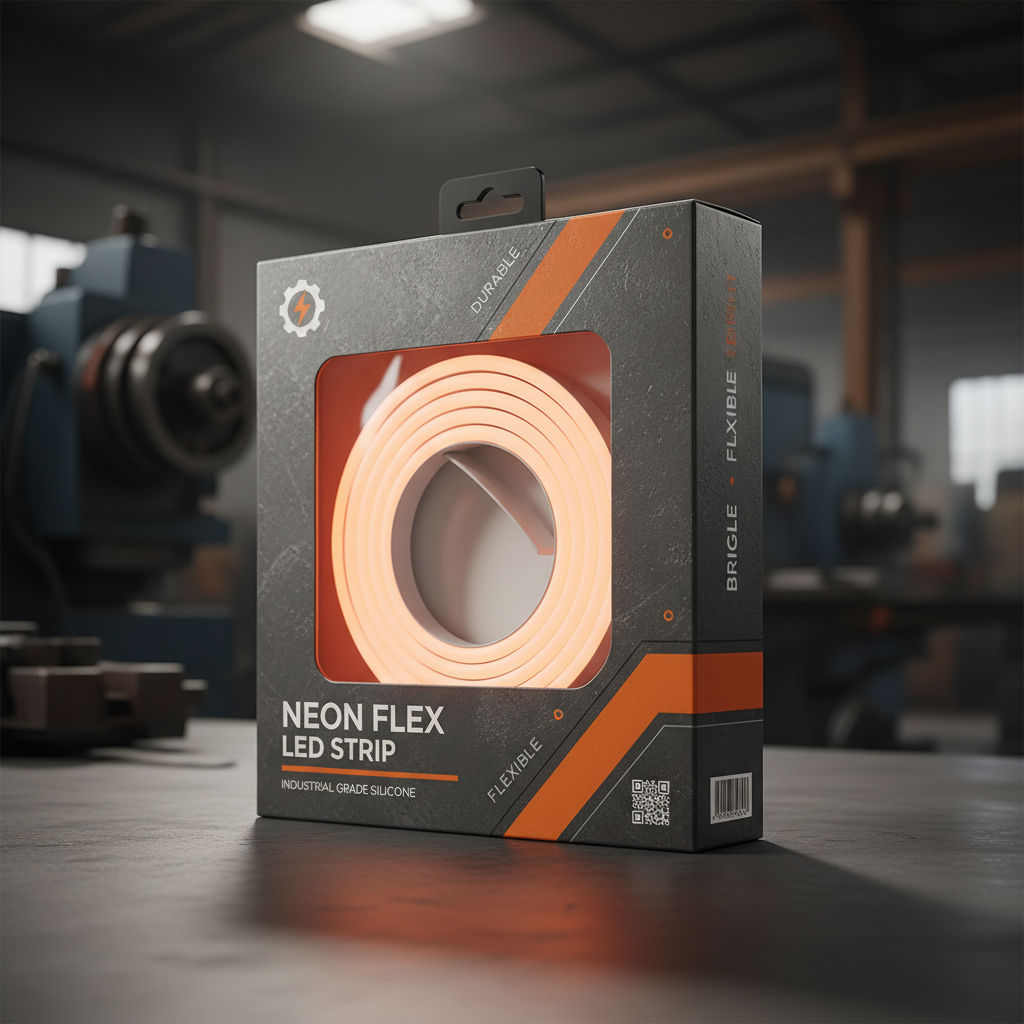
Neon LED light strips have rapidly become a ubiquitous lighting solution, transforming spaces from homes and businesses to artistic installations and automotive applications. Their versatility, energy efficiency, and vibrant color options have fueled a global demand, impacting industries ranging from interior design and retail to entertainment and even agriculture. This increased accessibility and adaptability position neon led light strip as a cornerstone of modern lighting technology.
The global market for LED lighting, including neon LED strips, is experiencing substantial growth. According to a report by Grand View Research, the global LED lighting market size was valued at USD 88.16 billion in 2022 and is projected to reach USD 167.53 billion by 2030, exhibiting a CAGR of 8.7% during the forecast period. This growth is driven by factors like stringent energy efficiency regulations, declining LED prices, and increasing awareness of the environmental benefits of LED lighting. neon led light strip specifically benefits from these trends due to its unique aesthetic appeal and ease of installation.
Addressing the increasing demand for customizable and energy-efficient lighting, neon LED light strips provide a powerful solution. They overcome the limitations of traditional neon lighting—high energy consumption and fragility—while retaining the iconic aesthetic. Understanding the nuances of this technology—its components, applications, and future innovations—is crucial for professionals and consumers alike seeking to leverage its full potential.
The Growing Significance of neon led light strip
The increasing adoption of neon led light strip stems from a confluence of factors, primarily its ability to provide a visually striking aesthetic that mimics traditional neon signage without the drawbacks of high energy consumption and safety concerns. This makes them incredibly popular in retail spaces, restaurants, and entertainment venues looking to create an inviting and memorable ambiance.
Beyond aesthetics, the practicality of neon led light strip is a major driving force. Their flexibility allows for complex designs and installations that would be difficult or impossible to achieve with traditional lighting methods. The ease of installation, coupled with the long lifespan and low maintenance requirements, contribute to a significant return on investment for businesses and homeowners alike.
Defining Neon LED Light Strip Technology
A neon LED light strip is essentially a flexible circuit board populated with surface mount LEDs, encapsulated within a silicone or PVC jacket. This jacket diffuses the light, creating a soft, uniform glow that resembles traditional neon. The “neon” effect is achieved by strategically arranging the LEDs and using a frosted or opaque jacket material.
Unlike traditional neon, which utilizes glass tubes filled with inert gases and requires high voltage, neon led light strip operates on low voltage DC power, making it significantly safer and more energy-efficient. They’re available in a wide spectrum of colors, including single colors, RGB (Red, Green, Blue) for dynamic color changing, and RGBW (Red, Green, Blue, White) for more accurate white light representation.
This technology bridges the gap between traditional lighting and modern innovation, providing a cost-effective and versatile solution for a wide range of applications. It’s a key component in the evolution of decorative and functional lighting systems, catering to both aesthetic desires and practical needs.
Core Components and Key Characteristics
Several key factors contribute to the performance and versatility of neon led light strip. The LEDs themselves are the core component, with different types offering varying levels of brightness, color accuracy, and energy efficiency. The quality of the LED chip significantly impacts the overall lifespan and performance of the strip.
The flexible PCB (Printed Circuit Board) serves as the backbone of the strip, providing the electrical connections and mechanical support for the LEDs. The PCB’s material and construction influence the strip's flexibility and durability. Furthermore, the encapsulating material—silicone or PVC—plays a crucial role in light diffusion, water resistance, and UV protection.
Additional characteristics such as IP (Ingress Protection) rating, voltage requirements, and power consumption are vital considerations. Higher IP ratings indicate greater resistance to dust and water, making the strip suitable for outdoor or damp environments. Understanding these characteristics is essential for selecting the appropriate neon led light strip for a specific application.
Practical Applications Across Diverse Sectors
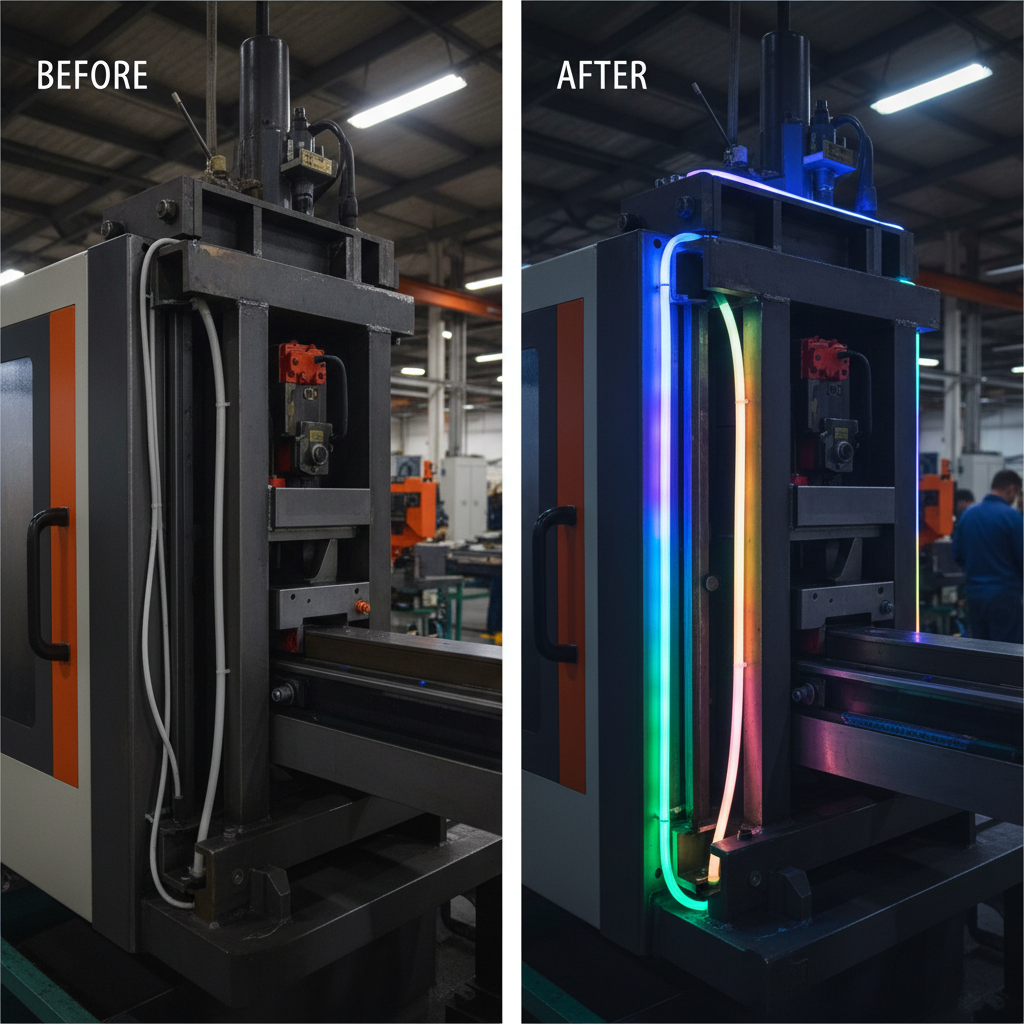
The applications of neon led light strip are incredibly diverse. In retail, they are used for storefront signage, product displays, and accent lighting to attract customers and enhance the shopping experience. In hospitality, they create ambiance in restaurants, bars, and hotels, setting the mood and creating a visually appealing environment.
The entertainment industry leverages neon LED strips for stage lighting, concert backdrops, and immersive installations. The automotive sector uses them for underglow, interior accent lighting, and headlight/taillight accents. Moreover, residential applications include accent walls, cove lighting, kitchen under-cabinet lighting, and decorative elements.
Application Scenarios for neon led light strip
Advantages and Long-Term Value Proposition
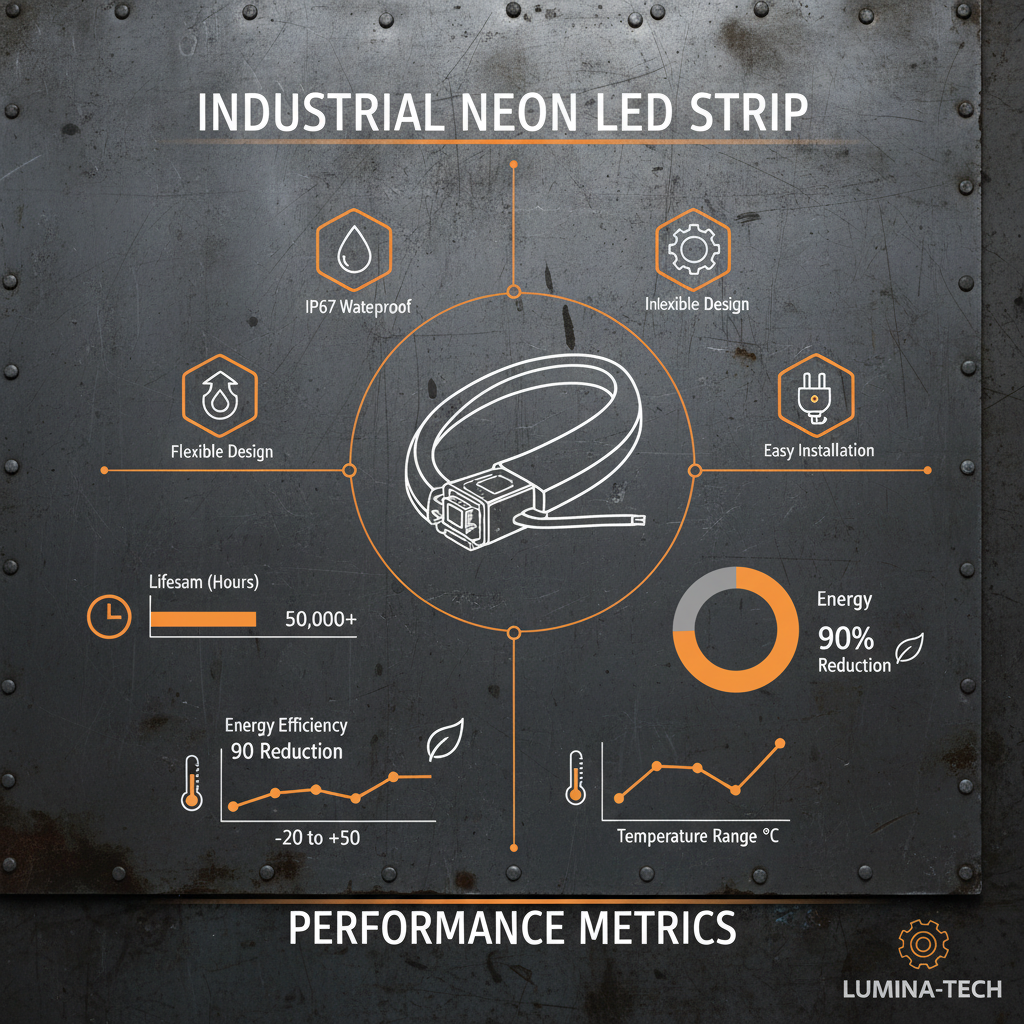
The advantages of utilizing neon led light strip are numerous. The most significant is energy efficiency – consuming up to 80% less energy than traditional neon lighting. This translates into substantial cost savings over the lifespan of the product, benefiting both businesses and consumers.
Furthermore, neon led light strip boasts a significantly longer lifespan, often exceeding 50,000 hours, reducing the frequency and cost of replacements. The flexibility and ease of installation contribute to lower labor costs, and the low voltage operation enhances safety. The vibrant color options and customizable designs offer a unique aesthetic appeal that sets them apart from conventional lighting solutions.
Future Trends and Emerging Innovations
The future of neon led light strip is bright, with several exciting innovations on the horizon. Research is focusing on developing even more energy-efficient LED chips and enhancing color rendering capabilities. Integration with smart home systems and IoT (Internet of Things) devices will allow for remote control, automated scheduling, and dynamic lighting effects.
The development of addressable neon led light strip, where each LED can be individually controlled, is opening up possibilities for complex animations and dynamic displays. Furthermore, advancements in encapsulating materials are leading to increased durability, UV resistance, and improved water resistance, expanding the range of applications for outdoor installations.
Challenges and Sustainable Solutions
Despite its many advantages, the widespread adoption of neon led light strip faces some challenges. The quality of components can vary significantly between manufacturers, leading to inconsistencies in performance and lifespan. Proper heat dissipation is crucial, as excessive heat can reduce LED lifespan and affect color accuracy.
Addressing these challenges requires a focus on quality control and sustainable manufacturing practices. Choosing reputable suppliers that utilize high-quality components is essential. Implementing effective heat management strategies, such as using aluminum profiles or heat sinks, can prolong LED lifespan.
Promoting responsible end-of-life recycling programs for LED strips is also crucial to minimize environmental impact. Encouraging the use of recyclable materials in the manufacturing process and adopting circular economy principles will further enhance the sustainability of neon led light strip.
Analysis of neon led light strip Product Characteristics
| Product Category |
Average Lifespan (Hours) |
Typical Power Consumption (W/m) |
Water Resistance Rating (IP) |
| Standard Neon LED Strip |
50,000 |
8-12 |
IP65 |
| Addressable RGB Neon LED Strip |
40,000 |
10-15 |
IP67 |
| High-Density Neon LED Strip |
60,000 |
12-18 |
IP68 |
| Silicone Encapsulated Neon LED Strip |
55,000 |
7-10 |
IP65 |
| Dual-Color Neon LED Strip |
45,000 |
9-13 |
IP66 |
| Low-Voltage Neon LED Strip |
52,000 |
6-9 |
IP67 |
FAQS
The typical lifespan of a quality neon led light strip ranges from 40,000 to 60,000 hours, significantly longer than traditional neon lighting. This longevity depends on factors like LED quality, operating temperature, and voltage stability. Regular use for 8-12 hours per day can translate to over 10 years of reliable illumination, making it a cost-effective lighting solution.
Yes, most neon led light strips are designed to be cut at designated intervals, typically marked with scissor icons on the PCB. These cut points allow you to customize the length of the strip to fit your specific application. However, it’s crucial to follow the manufacturer’s instructions carefully to avoid damaging the strip and ensure proper functionality.
The level of water resistance varies depending on the strip’s IP (Ingress Protection) rating. Strips with an IP65 rating are splash-proof and suitable for indoor use in damp environments. For outdoor applications or direct exposure to water, choose strips with higher IP ratings, such as IP67 or IP68, which offer complete waterproofing.
Neon led light strips typically operate on 12V or 24V DC power. You’ll need a compatible power supply that provides the appropriate voltage and sufficient wattage to power the entire length of the strip. It's essential to calculate the total power consumption of the strip (watts per meter multiplied by the total length) and choose a power supply with a slightly higher wattage to ensure stable operation.
Installation typically involves attaching the strip to a clean, dry surface using adhesive backing or mounting clips. Ensure the surface is free of dust and grease for optimal adhesion. For longer runs, consider using aluminum profiles to provide support and heat dissipation. Always disconnect the power before making any connections or adjustments.
Yes, most neon led light strips can be dimmed using a compatible PWM (Pulse Width Modulation) dimmer. Ensure the dimmer is specifically designed for LED lighting and is compatible with the voltage of your strip. Using an incompatible dimmer can damage the strip or cause flickering. PWM dimming provides smooth and flicker-free dimming control.
Conclusion
In conclusion, neon led light strip represents a significant advancement in lighting technology, offering a compelling blend of aesthetic appeal, energy efficiency, and versatility. From its diverse applications across various industries to its long-term cost savings and environmental benefits, this technology is poised to play an increasingly prominent role in shaping the future of illumination.
Looking ahead, continued innovation in LED chip technology, smart control systems, and sustainable manufacturing practices will further enhance the capabilities and appeal of neon LED strips. Embracing these advancements will not only unlock new creative possibilities but also contribute to a more energy-efficient and environmentally responsible future. Visit our website at www.pulongte.com to explore our wide range of neon led light strip products and find the perfect solution for your needs.