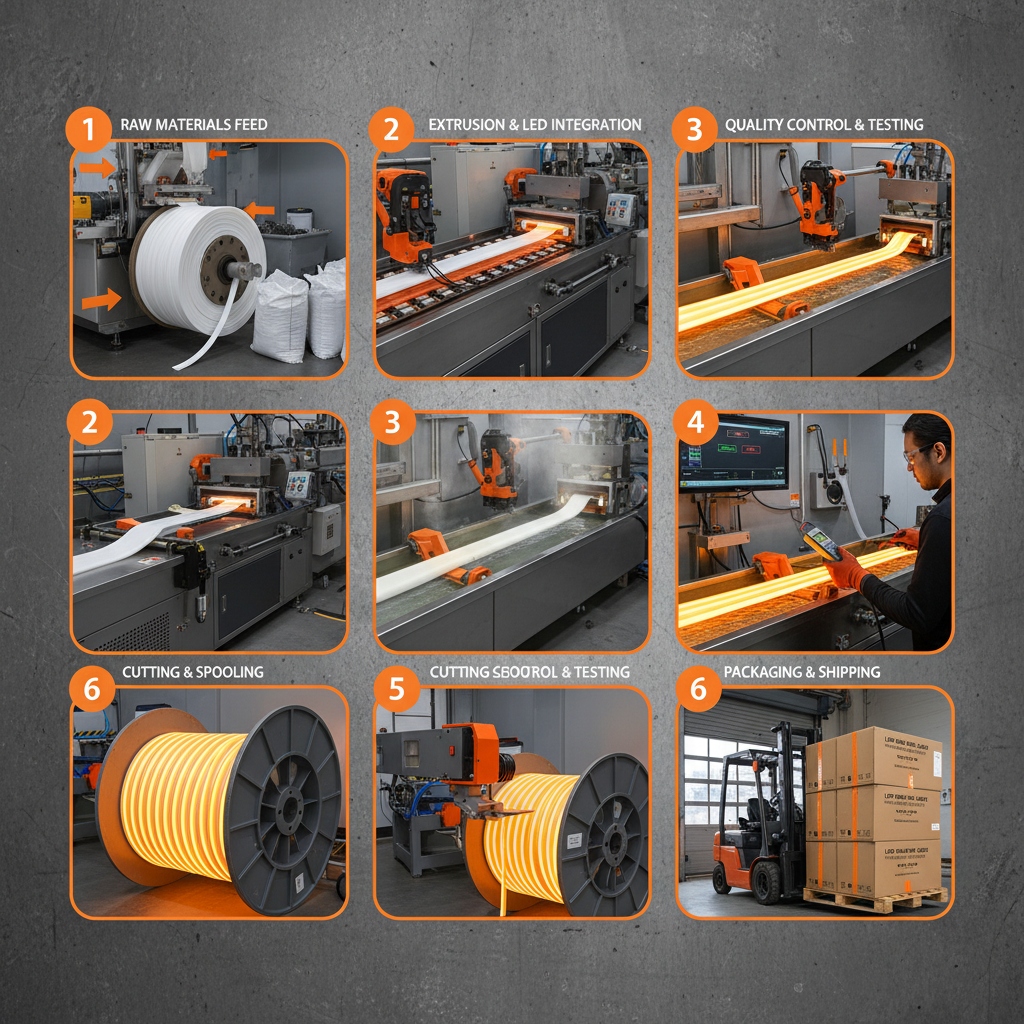
Led rope light neon represents a fascinating intersection of illumination technology and aesthetic design. Its ability to mimic the classic glow of neon signs, while offering advantages in flexibility, safety, and energy efficiency, has made it increasingly popular across a wide range of applications. From architectural accents to artistic installations, and even within the rapidly evolving realm of home decor, led rope light neon is transforming how we perceive and utilize light. Understanding its nuances – from material science to installation techniques – is crucial for designers, architects, and consumers alike.
The global market for led lighting is experiencing substantial growth, driven by factors like declining costs, increasing environmental awareness, and a demand for versatile lighting solutions. The UN Sustainable Development Goals (SDGs), particularly SDG 7 (Affordable and Clean Energy) and SDG 9 (Industry, Innovation, and Infrastructure), directly align with the benefits offered by led rope light neon. Its lower energy consumption contributes to reduced carbon footprints, and its adaptability facilitates innovative design solutions in both developed and developing nations. Data from the World Bank indicates a growing investment in sustainable infrastructure projects, many of which incorporate advanced lighting technologies.
The core challenge remains bridging the gap between the aesthetic appeal of traditional neon and the practical limitations surrounding its use – cost, fragility, and environmental concerns. Led rope light neon addresses these issues, offering a viable alternative that delivers similar visual effects without the drawbacks. This has opened up new avenues for creative expression and functional lighting in diverse settings.
Introduction to led rope light neon
Led rope light neon is rapidly becoming a staple in modern lighting design, offering a versatile and energy-efficient alternative to traditional glass neon. Its adaptable nature allows it to be molded into virtually any shape, making it ideal for both intricate artistic displays and functional architectural enhancements. The inherent flexibility of these lights allows for seamless integration into complex designs, something often challenging with rigid neon tubing.
The growing demand for sustainable and cost-effective lighting solutions has fueled the popularity of led rope light neon. Consumers and businesses are increasingly seeking lighting options that not only provide aesthetic appeal but also minimize environmental impact and long-term operating costs. The energy savings associated with led technology are a significant driver of this trend, and the long lifespan of led rope light neon reduces maintenance and replacement costs.
Defining led rope light neon
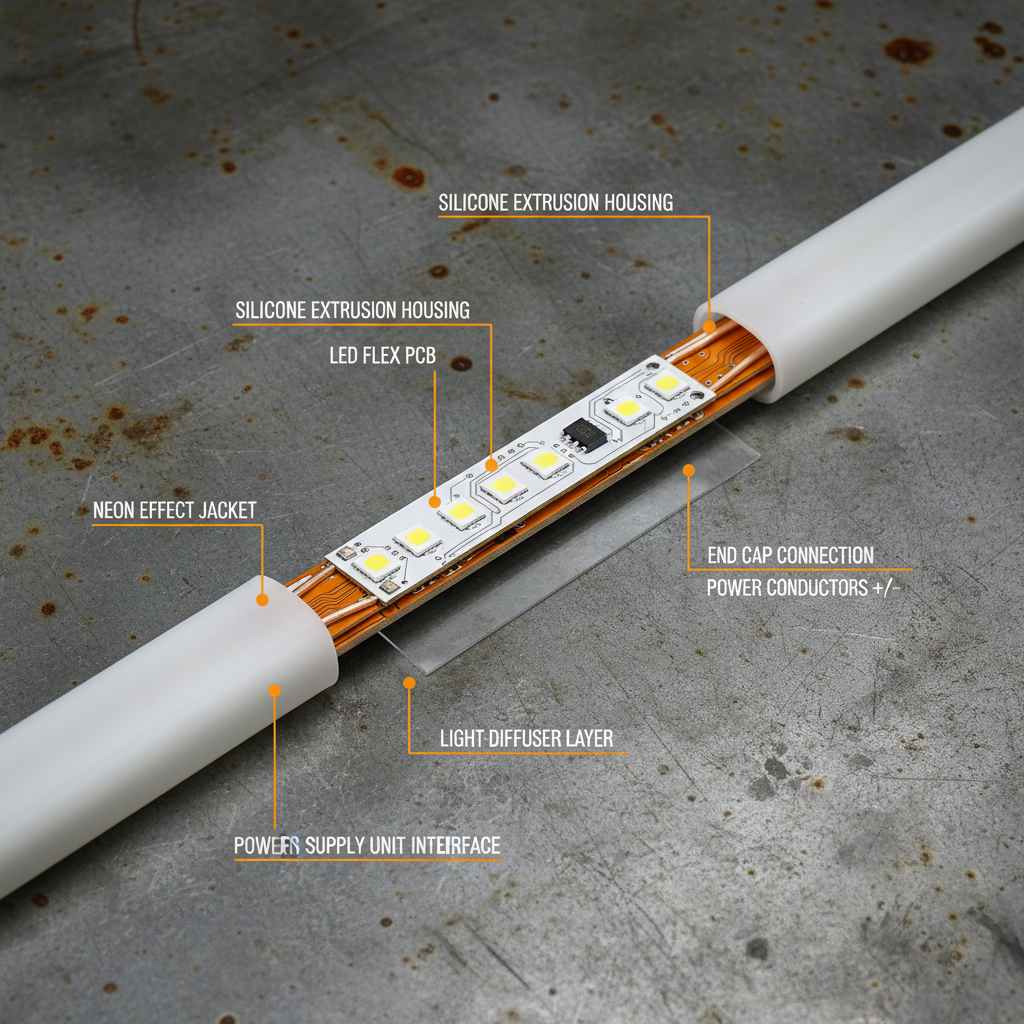
Led rope light neon, at its core, utilizes light-emitting diodes (LEDs) encased within a flexible, protective sheath – typically PVC or silicone – to emulate the appearance of traditional neon lighting. Unlike neon, which relies on ionized gas to produce light, led rope light neon generates illumination through semiconductor technology. This fundamental difference accounts for many of its advantages, including lower voltage requirements, reduced heat generation, and increased durability.
The "rope light" designation refers to the flexible, linear form factor of the product. It's available in a wide spectrum of colors, including single-color options, RGB (red, green, blue) for dynamic color changing, and even addressable RGB for more complex lighting patterns. The ability to control the color and intensity of the light makes it a versatile tool for creative expression.
This technology aligns with the broader movement towards smart lighting systems, allowing for remote control, scheduling, and integration with home automation platforms. Its connection to modern industry needs stems from its adaptability to diverse environments and its support for energy-conscious practices.
Core Components of led rope light neon
Several key components contribute to the functionality and performance of led rope light neon. The LEDs themselves are the light source, and their density – the number of LEDs per meter – directly impacts the brightness and uniformity of the light. Higher LED density results in a more consistent and vibrant glow.
The flexible sheath, usually made from PVC or silicone, protects the LEDs from environmental factors like moisture and dust. Silicone offers superior UV resistance and temperature tolerance, making it ideal for outdoor applications. The power supply is critical, providing the correct voltage and current to the LEDs. Choosing a high-quality power supply ensures stable operation and prolongs the lifespan of the lights.
Finally, the wiring and connectors are essential for establishing a reliable electrical connection. Waterproof connectors are particularly important for outdoor installations, preventing corrosion and ensuring safety. Properly chosen components ensure long-term reliability and performance of the led rope light neon.
Practical Applications of led rope light neon
The versatility of led rope light neon lends itself to a vast array of applications. In architectural lighting, it’s used to accentuate building facades, highlight architectural details, and create dramatic lighting effects. Signage is another prominent area, where it replaces traditional neon in storefronts, advertising displays, and wayfinding systems.
Interior design benefits significantly from led rope light neon. It’s used for cove lighting, under-cabinet illumination, accent lighting in living rooms and bedrooms, and creating immersive environments in entertainment spaces. Its flexibility allows for unique and personalized designs, seamlessly blending into the aesthetic of any room.
led rope light neon Application Distribution
Global Usage and Industry Impact
Led rope light neon is witnessing widespread adoption across the globe. North America and Europe remain significant markets, driven by a strong demand for energy-efficient lighting and innovative design solutions. However, emerging economies in Asia-Pacific, particularly China and India, are experiencing rapid growth in demand due to increasing urbanization and infrastructure development.
The industry is characterized by a diverse range of manufacturers, from large multinational corporations to smaller, specialized companies. China dominates the manufacturing landscape, producing a significant portion of the world’s led rope light neon. The increasing competition is driving down prices and fostering innovation, leading to more advanced and affordable products.
In post-disaster relief operations, led rope light neon provides a safe and reliable source of illumination, often deployed to quickly establish temporary lighting in affected areas. In remote industrial zones, its durability and energy efficiency make it an ideal choice for perimeter lighting and safety illumination.
Advantages of led rope light neon
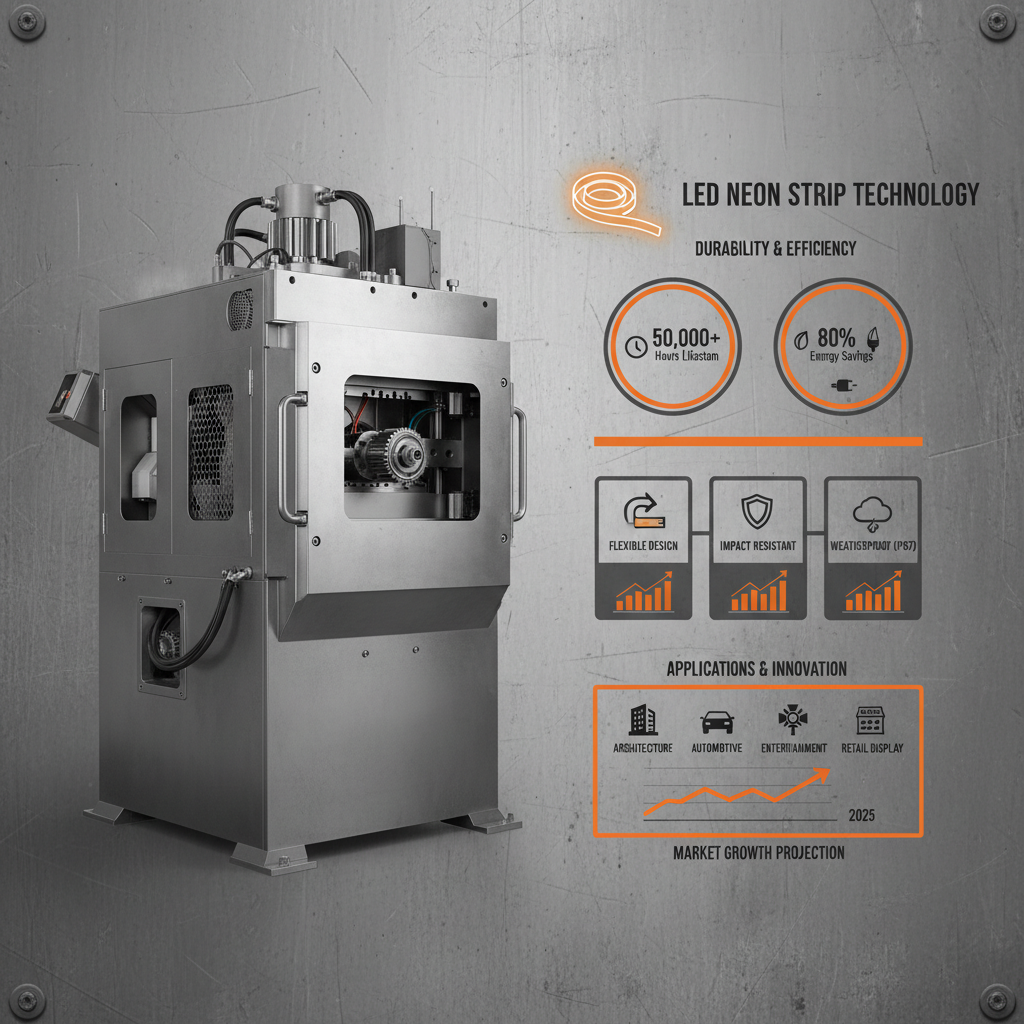
The advantages of led rope light neon over traditional neon are numerous. Firstly, it's significantly more energy-efficient, consuming up to 80% less power for the same level of brightness. This translates to substantial cost savings over the lifespan of the product. Secondly, it's much safer, operating at low voltage and generating minimal heat, reducing the risk of burns and fire hazards.
Furthermore, led rope light neon is far more durable than glass neon, resistant to breakage and impact. Its flexibility allows for complex designs and easy installation, while its longer lifespan reduces maintenance costs and replacement frequency. From a sustainability perspective, it contains no hazardous materials like mercury, making it an environmentally friendly choice.
Future Trends in led rope light neon
The future of led rope light neon is poised for continued innovation. Advancements in LED technology are leading to even brighter and more energy-efficient products. The integration of smart home technologies will become increasingly prevalent, enabling remote control, voice activation, and personalized lighting scenes.
Developments in flexible substrates and encapsulation materials are improving the durability and weather resistance of led rope light neon. Researchers are also exploring new ways to enhance color rendering and create more realistic neon effects. The trend towards sustainable materials and manufacturing processes will further solidify its position as an environmentally responsible lighting solution.
Expect to see wider adoption of addressable led rope light neon, allowing for pixel-level control and dynamic lighting displays. This will open up exciting possibilities for artistic installations, interactive lighting experiences, and immersive environments.
Challenges and Solutions
Despite its many advantages, led rope light neon still faces some challenges. One common issue is the potential for voltage drop over long runs, leading to uneven brightness. This can be mitigated by using thicker gauge wiring, shorter run lengths, or strategically placed power injection points.
Another challenge is ensuring consistent color temperature across different sections of a long run. This can be addressed by selecting high-quality led rope light neon from reputable manufacturers and implementing proper color calibration techniques.
Summary of Solutions for Common Challenges with led rope light neon
| Challenge |
Impact on led rope light neon |
Solution |
Implementation Complexity (1-10) |
| Voltage Drop |
Uneven Brightness |
Thicker Gauge Wire, Power Injection |
5 |
| Inconsistent Color |
Visual Disruption |
High-Quality LEDs, Color Calibration |
7 |
| Moisture Ingress |
Corrosion, Short Circuits |
Waterproof Connectors, Silicone Sheath |
6 |
| UV Degradation |
Fading, Discoloration |
UV-Resistant Silicone |
4 |
| Heat Build-up |
Reduced Lifespan |
Proper Ventilation, Heat Sinks |
3 |
| Physical Damage |
LED Failure |
Protective Casing, Careful Installation |
2 |
FAQS
The lifespan of led rope light neon typically ranges from 50,000 to 100,000 hours, significantly exceeding that of traditional neon lighting. This translates to many years of reliable operation, even with continuous use. Factors affecting lifespan include the quality of the LEDs, operating temperature, and the power supply used. Choosing high-quality components is crucial for maximizing longevity.
Yes, most led rope light neon products are designed to be cut to custom lengths at designated cutting points. These cutting points are typically marked along the strip and allow for precise adjustments to fit specific applications. It's important to follow the manufacturer's instructions carefully when cutting, as improper cutting can damage the LEDs or void the warranty.
While some led rope light neon products are inherently water-resistant, fully waterproof options are available. The level of water resistance is indicated by an IP (Ingress Protection) rating. IP65 and IP67 ratings indicate protection against dust and water splashes, while IP68 indicates complete submersion protection. For outdoor applications, choosing a product with an appropriate IP rating is essential.
The required power supply depends on the length and power consumption of the led rope light neon. It's crucial to calculate the total wattage required and choose a power supply that provides sufficient output. It's also important to select a power supply with the correct voltage and current rating, and to ensure that it's compatible with the led rope light neon. Overloading the power supply can damage the LEDs or create a safety hazard.
RGB led rope light neon can be controlled using a variety of methods, including remote controls, DMX controllers, and smartphone apps. Remote controls typically offer basic color selection and brightness adjustment, while DMX controllers provide more advanced control over individual LEDs. Smartphone apps allow for remote control and scheduling, and integration with smart home systems.
PVC is a more cost-effective option commonly used for indoor applications. It offers good protection against dust and moisture. Silicone, however, is more durable and offers superior UV resistance and temperature tolerance, making it ideal for outdoor environments and applications that require long-term reliability. Silicone also tends to be more flexible, allowing for tighter bends and more complex shapes.
Conclusion
Led rope light neon has fundamentally altered the landscape of illumination, offering a versatile, energy-efficient, and aesthetically pleasing alternative to traditional neon lighting. Its adaptability across diverse applications, from architectural highlights to intricate artistic installations, coupled with its inherent safety advantages, positions it as a crucial component in modern design. The ongoing advancements in LED technology and the growing emphasis on sustainable lighting solutions will only accelerate its adoption worldwide.
Looking ahead, continued innovation in materials, smart control systems, and manufacturing processes will further enhance the performance and functionality of led rope light neon. Embracing these advancements will unlock new possibilities for creative expression and sustainable lighting solutions. Visit our website at led rope light neon to explore our wide range of products and learn more about how led rope light neon can transform your lighting projects.