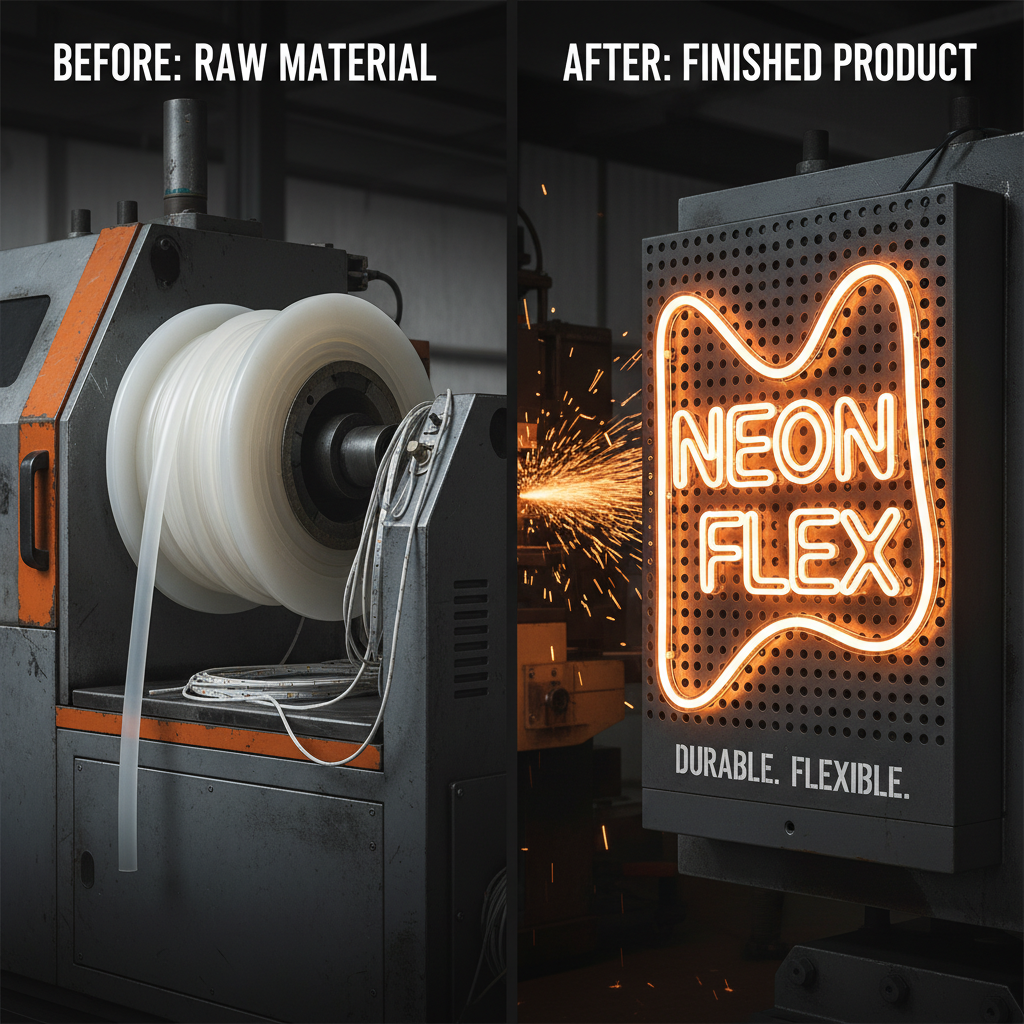
Led neon light strip technology has revolutionized modern illumination, offering a versatile and energy-efficient alternative to traditional neon lighting. Its global relevance stems from its broad applicability, spanning architectural accents, retail displays, artistic installations, and even automotive customizations. Understanding the nuances of led neon light strip is crucial for designers, architects, businesses, and homeowners seeking innovative and sustainable lighting solutions. The adaptability and ease of use of these strips are transforming how we think about light.
The demand for led neon light strip continues to rise globally, driven by increasing awareness of energy conservation and a desire for aesthetically pleasing lighting options. According to industry reports, the global LED lighting market is projected to reach \$80.5 billion by 2028, with flexible LED neon light strip contributing significantly to this growth. This trend addresses the challenge of balancing visual appeal with environmental responsibility. The cost-effectiveness of led neon light strip has also broadened its accessibility.
This escalating adoption isn’t just about aesthetics; it addresses a need for durable, customizable, and cost-effective lighting solutions. From enhancing urban landscapes to creating immersive experiences, led neon light strip is becoming an indispensable component of modern design. The technology’s adaptability to various applications positions it as a key player in the evolving lighting industry.
Introduction to led neon light strip
Led neon light strip represents a significant leap forward in lighting technology, combining the classic aesthetic of traditional neon with the efficiency and versatility of LEDs. These strips consist of numerous closely spaced LEDs encapsulated in a flexible PVC jacket, mimicking the appearance of glass neon tubes. This makes them ideal for creating intricate designs and curves that were previously difficult or impossible to achieve with traditional methods.
The impact of led neon light strip extends beyond mere aesthetics. Its low energy consumption, long lifespan, and reduced maintenance requirements contribute to significant cost savings and environmental benefits. The ability to customize color, brightness, and even create dynamic lighting effects further enhances its appeal for a wide range of applications.
Defining Led Neon Light Strip Technology
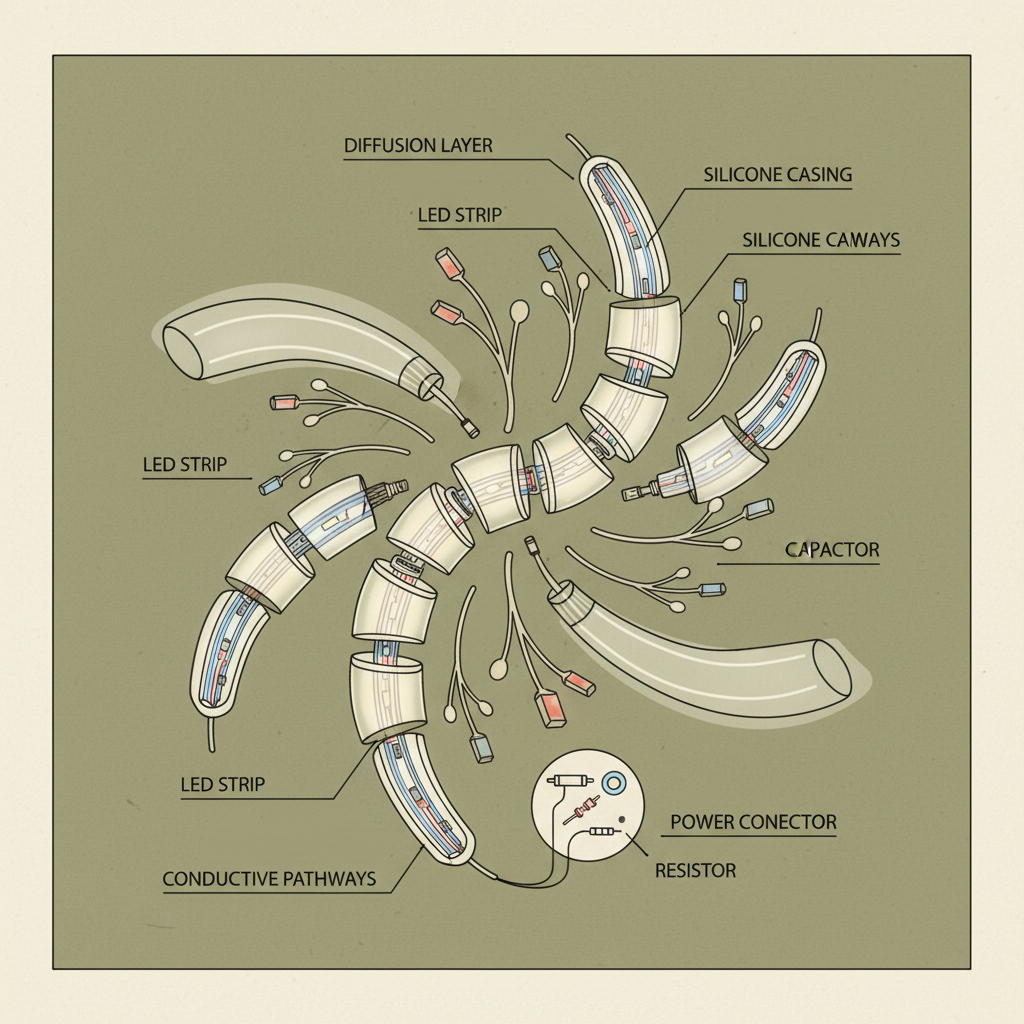
At its core, a led neon light strip is a flexible circuit board populated with surface-mount LEDs (SMDs) and encased in a protective, light-diffusing PVC sheath. The LEDs themselves come in various types, influencing brightness, color accuracy, and energy efficiency. Common SMD types include 2835, 5050, and 3528, each offering different performance characteristics. The PVC jacket provides not only protection but also the diffused glow that replicates the look of traditional neon.
The manufacturing process involves precisely placing the LEDs onto the flexible PCB, soldering them securely, and then encapsulating the assembly within the PVC. The flexibility of the PCB allows the strip to be bent and shaped, enabling creative lighting designs. The technology is directly linked to advancements in semiconductor manufacturing and materials science, driving constant improvements in performance and affordability.
This innovation allows us to bridge the gap between the allure of traditional neon and the demands of modern sustainability. Led neon light strip isn't merely an imitation; it’s an evolution, offering a safer, more energy-efficient, and more versatile lighting solution.
Key Components and Characteristics
Several key factors contribute to the performance and appeal of led neon light strip. These include the LED chip type, the density of LEDs per meter, the quality of the PVC jacket, and the power supply used. Higher LED density translates to brighter and more uniform illumination. The PVC jacket's quality affects the diffusion of light and its resistance to UV degradation.
Another crucial aspect is the color rendering index (CRI), which measures the accuracy of color representation. A higher CRI indicates more accurate colors, vital for applications where color fidelity is paramount. Furthermore, the operating voltage (typically 12V or 24V DC) and power consumption are important considerations for system design and energy efficiency. Understanding these components is key to selecting the right led neon light strip for a specific application.
The IP rating (Ingress Protection) defines the level of protection against dust and water. Higher IP ratings are essential for outdoor applications or environments with high humidity. The lifespan of the LEDs, typically measured in hours, is also a critical factor, influencing the long-term cost-effectiveness of the lighting solution.
Performance & Reliability of led neon light strip
The performance of led neon light strip is characterized by its brightness, color consistency, and energy efficiency. Modern LED chips offer excellent luminous efficacy, measured in lumens per watt (lm/W), minimizing energy consumption while maximizing light output. Color consistency is maintained through precise binning of LEDs during manufacturing, ensuring uniform color across the entire strip length.
Reliability is ensured through the use of high-quality components and robust manufacturing processes. The flexible PCB is designed to withstand repeated bending and flexing without compromising electrical conductivity. The PVC jacket protects the LEDs from environmental factors, extending their lifespan. Properly installed and maintained, led neon light strip can operate reliably for tens of thousands of hours.
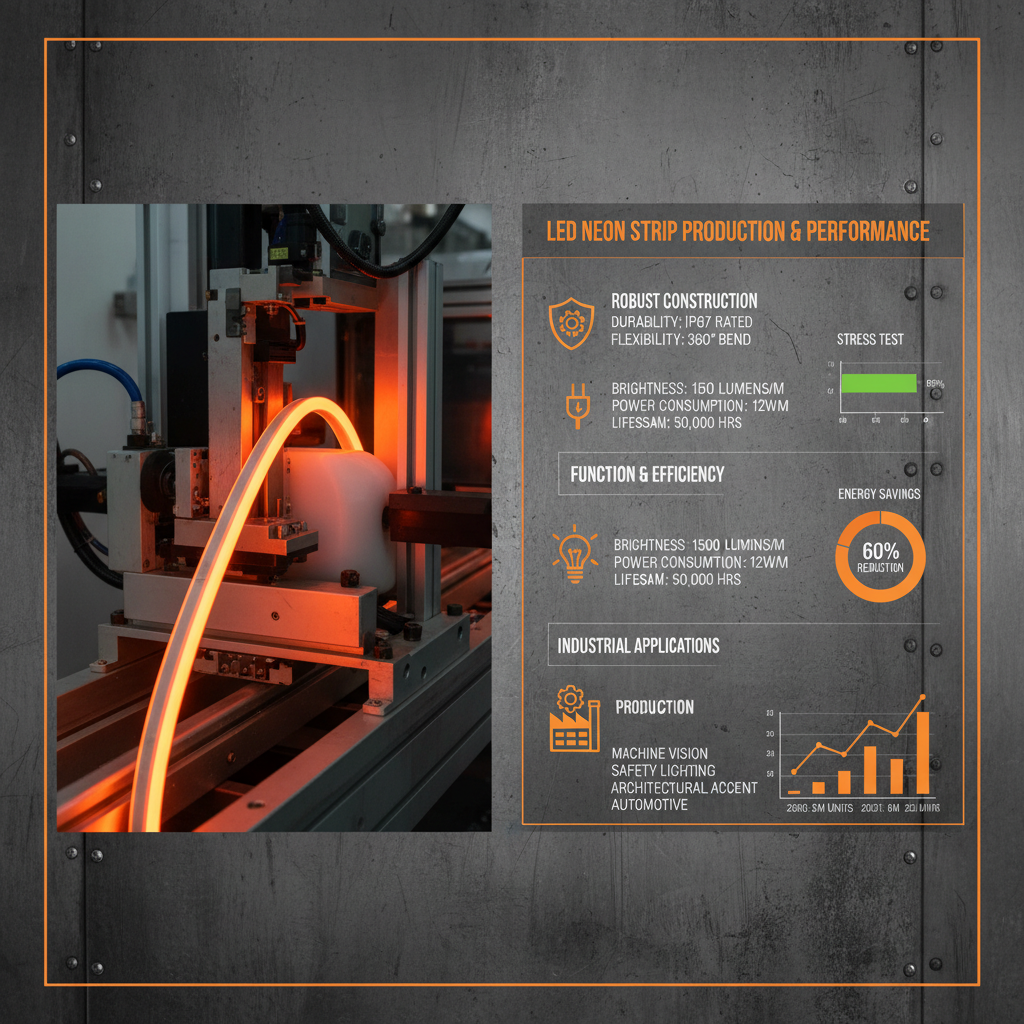
led neon light strip Performance Metrics
Global Applications of led neon light strip
The versatility of led neon light strip lends itself to a vast array of applications across diverse industries. In architectural lighting, it’s used for outlining building facades, highlighting structural features, and creating dramatic lighting effects. Retail spaces utilize it for storefront signage, product displays, and ambient lighting to attract customers.
Beyond commercial applications, led neon light strip is gaining popularity in residential settings for accent lighting, under-cabinet lighting, and decorative installations. Automotive customization is another growing market, with strips used for interior and exterior lighting enhancements. The entertainment industry leverages its dynamic color-changing capabilities for stage lighting and special effects.
Advantages & Long-Term Value Proposition
The advantages of led neon light strip are numerous. Its energy efficiency significantly reduces electricity consumption compared to traditional neon, lowering operating costs and minimizing environmental impact. The long lifespan of LEDs translates to reduced maintenance and replacement costs. The flexibility and ease of installation simplify the design process and reduce labor expenses.
Furthermore, the ability to customize color, brightness, and effects provides unmatched design flexibility, enhancing the aesthetic appeal of any space. The low operating temperature of LEDs makes them safer than traditional neon, reducing the risk of burns. These combined benefits offer a compelling long-term value proposition for businesses and homeowners alike.
Beyond the practical benefits, led neon light strip offers a sense of modern elegance and sophistication, enhancing brand image and creating memorable experiences. The reliability and durability of the technology instill confidence and build trust with customers.
Future Trends and Innovations in led neon light strip
The future of led neon light strip is poised for continued innovation. Research and development efforts are focused on improving LED chip efficiency, increasing color rendering accuracy, and extending lifespan. Smart led neon light strip, incorporating Wi-Fi connectivity and control via smartphone apps, is gaining traction, enabling remote control and dynamic lighting schedules.
Integration with voice assistants like Alexa and Google Assistant is also becoming increasingly common. The development of more sustainable PVC materials and recycling programs will further enhance the environmental friendliness of the technology. Advancements in encapsulation techniques will improve the durability and weather resistance of the strips.
We can also anticipate wider adoption of addressable led neon light strip, where each LED can be individually controlled, enabling complex and dynamic lighting patterns. These advancements will further solidify the position of led neon light strip as a leading lighting solution for years to come.
Summary of Key Factors Influencing led neon light strip Performance
| Component Quality |
Environmental Factors |
Installation Practices |
Maintenance Schedule |
| High-grade LEDs & PVC improve longevity. |
Humidity & UV exposure impact lifespan. |
Proper wiring & support prevent failures. |
Regular cleaning maintains optimal brightness. |
| Quality power supplies prevent flickering. |
Temperature fluctuations affect performance. |
Secure mounting prevents physical damage. |
Inspections identify early signs of wear. |
| Precise manufacturing ensures color consistency. |
Dust accumulation reduces light output. |
Avoiding sharp bends preserves flexibility. |
Replacing damaged sections prevents cascading failures. |
| Robust encapsulation protects from moisture. |
Salt spray can corrode connections. |
Using appropriate connectors ensures secure contact. |
Monitoring voltage levels prevents overloads. |
| Optimal LED density enhances brightness. |
Direct sunlight can cause fading. |
Adhering to safety regulations is crucial. |
Professional installation maximizes lifespan. |
| High CRI improves color accuracy. |
Extreme temperatures can degrade materials. |
Proper grounding protects against electrical hazards. |
Regular firmware updates ensure optimal performance. |
FAQS
The lifespan of a led neon light strip generally ranges from 50,000 to 100,000 hours, depending on the quality of the LEDs and operating conditions. This is significantly longer than traditional neon lighting. Factors like heat dissipation, voltage stability, and ambient temperature can influence the actual lifespan. Proper installation and maintenance can also help maximize the longevity of the strip.
Yes, most led neon light strips can be cut to custom lengths at designated cutting points, usually marked on the strip itself. These cutting points are typically located between the LEDs. It’s crucial to use sharp scissors or a cutting tool specifically designed for LED strips to avoid damaging the components. After cutting, you may need to attach connectors or end caps.
Some led neon light strip models are waterproof, but not all. The level of water resistance is indicated by the IP (Ingress Protection) rating. An IP65 rating signifies protection against water jets, while IP67 and IP68 ratings offer higher levels of protection, including submersion in water. Always check the IP rating before using the strip in wet or outdoor environments.
Led neon light strips typically operate on 12V or 24V DC. You'll need a power supply that matches the voltage and provides sufficient wattage to power the length of the strip you're using. Calculate the total wattage required by multiplying the strip’s wattage per meter by the total length. It’s recommended to choose a power supply with a slight wattage buffer to ensure stable operation.
Color control depends on the type of strip. RGB led neon light strip allows you to mix red, green, and blue to create a wide range of colors. These strips require an RGB controller to adjust the color settings. Addressable led neon light strip offers individual control of each LED, enabling more complex and dynamic lighting effects, also requiring a specialized controller.
Led neon light strip boasts a diverse range of applications, including architectural accent lighting, retail signage, under-cabinet lighting, automotive customization, home décor, and event lighting. Its flexibility, vibrant colors, and energy efficiency make it suitable for both indoor and outdoor installations. It's also increasingly popular for creating artistic lighting displays and immersive environments.
Conclusion
Led neon light strip has fundamentally changed the lighting landscape, offering a compelling blend of aesthetic appeal, energy efficiency, and versatility. Its ability to mimic the classic look of neon while providing superior performance and durability has propelled its widespread adoption across various industries and applications. Understanding its key components, advantages, and future trends is crucial for anyone seeking innovative lighting solutions.
Looking ahead, the continued development of smart and sustainable led neon light strip technologies promises even greater advancements in lighting design and energy conservation. We encourage you to explore the possibilities and discover how led neon light strip can transform your spaces. Visit our website at led neon light strip to explore our extensive range of products and find the perfect lighting solution for your needs.