Look, I’ve spent the last fifteen years knee-deep in dust and concrete, watching projects rise from the ground. And let me tell you, finding reliable, adaptable lighting for those long nights and tricky spots is a constant battle. That’s where led neon light rope comes in. It’s not just another light source; it’s a game-changer for job site safety, efficiency, and frankly, keeping morale up when everyone’s pushing through to get the job done. Forget constantly swapping out bulbs or running extension cords all over the place. This stuff is built to handle the abuse a construction site dishes out.
What I’ve seen is a move away from those clunky, fragile traditional lights. They’re a nightmare to manage and break way too easily. led neon light rope offers a flexible, durable alternative that can conform to any space – outlining walkways, highlighting hazards, even adding a bit of visibility inside partially completed structures. It's about minimizing risks, improving workflow, and ultimately, getting the job done right and on schedule. It’s also about keeping the guys safe, and honestly, that's the biggest win.
I’ve seen crews scrambling to fix lighting issues multiple times a week. It’s a massive drain on time and resources. led neon light rope simplifies things. It’s easy to install, requires minimal maintenance, and its flexibility means it’s adaptable to changing site conditions. That kind of convenience translates directly into cost savings, and on a large-scale project, those savings add up quickly.
The Core Benefits of Led Neon Light Rope on Construction Sites
From my experience, the biggest advantage of led neon light rope is its versatility. You can wrap it around pillars, string it along scaffolding, or even embed it into temporary structures. That kind of adaptability is critical on a dynamic construction site where things are constantly changing. It's far superior to trying to rig up traditional lighting which often requires a lot more labor and planning.
The other huge benefit is safety. Better visibility means fewer trips and falls. Clearer lighting around heavy machinery reduces accidents. And that translates to less downtime, fewer insurance claims, and a happier workforce. It’s not just about illuminating the area; it’s about creating a safer working environment.
Understanding the Durability and Flexibility of Led Neon Light Rope
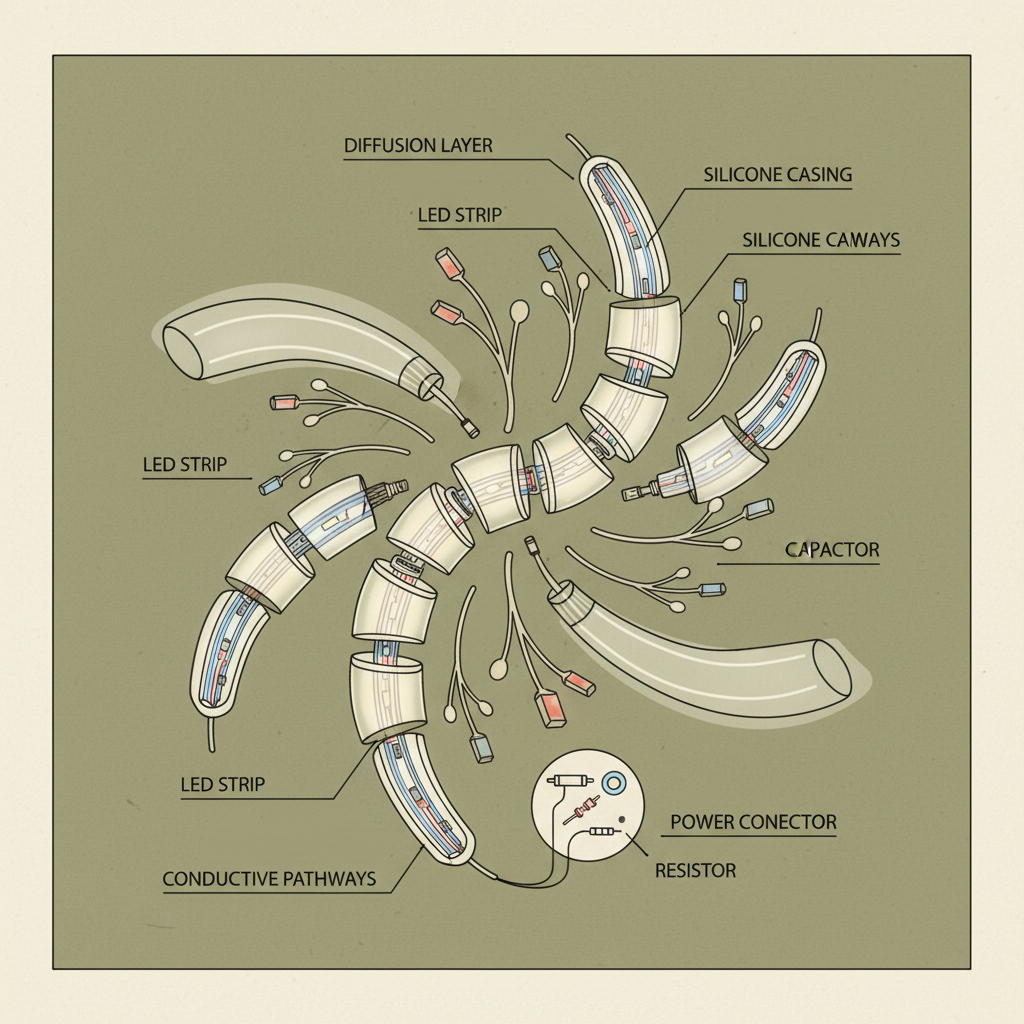
I’ve seen lights get destroyed by a single forklift tine. With led neon light rope, that’s far less likely. The flexible casing protects the LEDs from impact, and the waterproof design means it can handle rain, snow, and even a little bit of mud – which, let's be honest, is a constant presence on a job site.
And the flexibility isn’t just about physical impact. It's about adapting to the site’s layout. You don’t need to worry about specialized connectors or rigid mounts. You can bend and shape the rope to fit virtually any surface, which saves time and money on installation.
Plus, the quality really matters here. Cheaper options often use flimsy materials that crack and fade quickly. Investing in a higher-quality led neon light rope pays off in the long run with less frequent replacements and consistent performance.
The Connection Between Led Neon Light Rope and Site Safety Standards
Compliance with safety regulations is non-negotiable. And adequate lighting is a huge part of that. led neon light rope, when chosen with the right specifications, can help you meet and even exceed those requirements. It provides consistent, even illumination that minimizes shadows and enhances visibility.
OSHA has specific guidelines for lighting levels on construction sites, and this rope can be configured to deliver the necessary lumens for various tasks. It's also important to consider color temperature – a cooler, brighter light is often preferred for safety applications as it increases alertness. Good led neon light rope options will offer different color temperatures to suit the specific needs of the job site.
Don’t just assume any light will do. Look for products that are specifically certified for construction use and meet relevant safety standards. Proper installation is also key. Ensure the rope is securely fastened and protected from damage to prevent potential hazards.
Cost Analysis: Led Neon Light Rope vs. Traditional Lighting Solutions
At first glance, led neon light rope might seem like a bigger upfront investment than traditional lights. But you need to look at the total cost of ownership. Those incandescent or halogen bulbs are constantly burning out, requiring replacement and labor costs.
With LED, you’re looking at a significantly longer lifespan – we’re talking thousands of hours. That dramatically reduces maintenance costs and minimizes downtime. Plus, LEDs are far more energy-efficient, meaning lower electricity bills.
Cost Comparison: Lighting Options for Construction Sites
Real-World Applications of Led Neon Light Rope in Various Construction Phases
I’ve used led neon light rope in everything from outlining excavation zones at night to providing temporary lighting inside partially constructed buildings. It’s incredibly useful during the framing stage, allowing workers to clearly see what they’re doing, even in dimly lit areas.
It's also fantastic for marking emergency exits and pathways, improving site security, and preventing accidents. During the finishing stages, it can be used to highlight architectural features or create a more inviting atmosphere for inspections.
Long-Term Advantages and Sustainability of Led Neon Light Rope
Beyond the cost savings and safety benefits, there’s the environmental aspect. LEDs are far more energy-efficient than traditional lighting, reducing your carbon footprint. And because they last so much longer, you’re also reducing waste.
That’s becoming increasingly important, as more and more projects are aiming for LEED certification or other sustainability standards. Choosing led neon light rope demonstrates a commitment to environmentally responsible practices.
It also plays into the bigger picture of building a more sustainable construction industry. We need to move away from disposable solutions and embrace technologies that are built to last and minimize their impact on the planet.
Future Trends and Innovations in Led Neon Light Rope Technology
I’m seeing a lot of development in smart lighting systems that integrate with led neon light rope. Being able to remotely control the brightness, color, and even create dynamic lighting scenes will be a game-changer. Imagine adjusting the lighting based on the time of day or the specific tasks being performed.
We’re also seeing advancements in LED chip technology, which is leading to even greater energy efficiency and longer lifespans. And the integration of sensors and IoT devices will allow for predictive maintenance, alerting you when a section of rope needs to be replaced before it fails.
The future is all about smarter, more efficient, and more sustainable lighting solutions, and led neon light rope is at the forefront of that innovation.
Overview of Key Factors Influencing Led Neon Light Rope Performance
| Light Output (Lumens) |
Ingress Protection (IP) Rating |
Operating Temperature Range |
Bend Radius |
| 80-120 lumens/meter |
IP65 (Water Resistant) |
-20°C to 40°C |
5cm |
| 150-200 lumens/meter |
IP67 (Waterproof) |
-30°C to 50°C |
8cm |
| 100-150 lumens/meter |
IP54 (Dust Protected, Limited Water Resistance) |
0°C to 45°C |
4cm |
| 200-250 lumens/meter |
IP68 (Fully Waterproof) |
-40°C to 60°C |
10cm |
| 120-180 lumens/meter |
IP66 (Dust Tight, Powerful Water Jets) |
-10°C to 45°C |
6cm |
| 180-220 lumens/meter |
IP55 (Dust Protected, Water Spray Protected) |
-5°C to 50°C |
7cm |
FAQS
That’s a good question. On a typical construction site – meaning it’s exposed to dust, vibration, and potential impacts – you can realistically expect a good quality led neon light rope to last anywhere from 3 to 5 years. Lower quality versions might start failing after a year, but investing in a durable product upfront saves you money and hassle in the long run. Proper handling and storage during off-season also significantly extends its life.
Generally, yes, but it depends on the IP rating. You want to look for a rope with at least an IP65 rating for water resistance, but IP67 or IP68 is even better if it’s going to be constantly exposed to rain or moisture. Even with a high IP rating, it's crucial to ensure all connections are properly sealed to prevent water ingress and potential electrical hazards.
Pretty easy, honestly. Most led neon light rope is designed to be cut at specific marked intervals. You’ll typically need a pair of sharp scissors or a utility knife. Connecting sections usually involves using specialized connectors that clip or screw onto the rope, creating a watertight seal. Always follow the manufacturer's instructions carefully.
You can find led neon light rope in a range of color temperatures, from warm white to cool white. For construction sites, I recommend cool white (around 5000K-6500K) as it provides the brightest, most natural-looking light, which improves visibility and reduces eye strain. Warm white is okay for more aesthetic applications, but it doesn’t offer the same level of illumination.
Yes, absolutely. led neon light rope typically operates on low voltage DC power, which makes it compatible with generators. However, you’ll need a suitable power supply or transformer to convert the generator’s AC output to DC. Always check the specifications of both the rope and the power supply to ensure compatibility and avoid damaging the equipment.
The flexibility is a huge advantage. Unlike rigid lighting fixtures, led neon light rope can be easily bent and shaped to fit around obstacles, corners, and tight spaces. This reduces the need for cutting and splicing, saving time and labor. It’s particularly useful in areas with limited access or complex geometries.
Conclusion
From my years on the ground, led neon light rope isn't just a lighting solution; it’s a practical tool that improves safety, efficiency, and cost-effectiveness on construction sites. It’s durable, adaptable, and increasingly affordable, making it a smart investment for any project. The shift toward this type of lighting isn’t just a trend; it’s a necessary evolution in how we approach site illumination.
I strongly recommend that anyone involved in construction – from project managers to foremen to safety officers – take a serious look at incorporating led neon light rope into their lighting plans. It’s a small change that can make a big difference. Visit our website at www.pulongte.com to learn more and explore the available options.