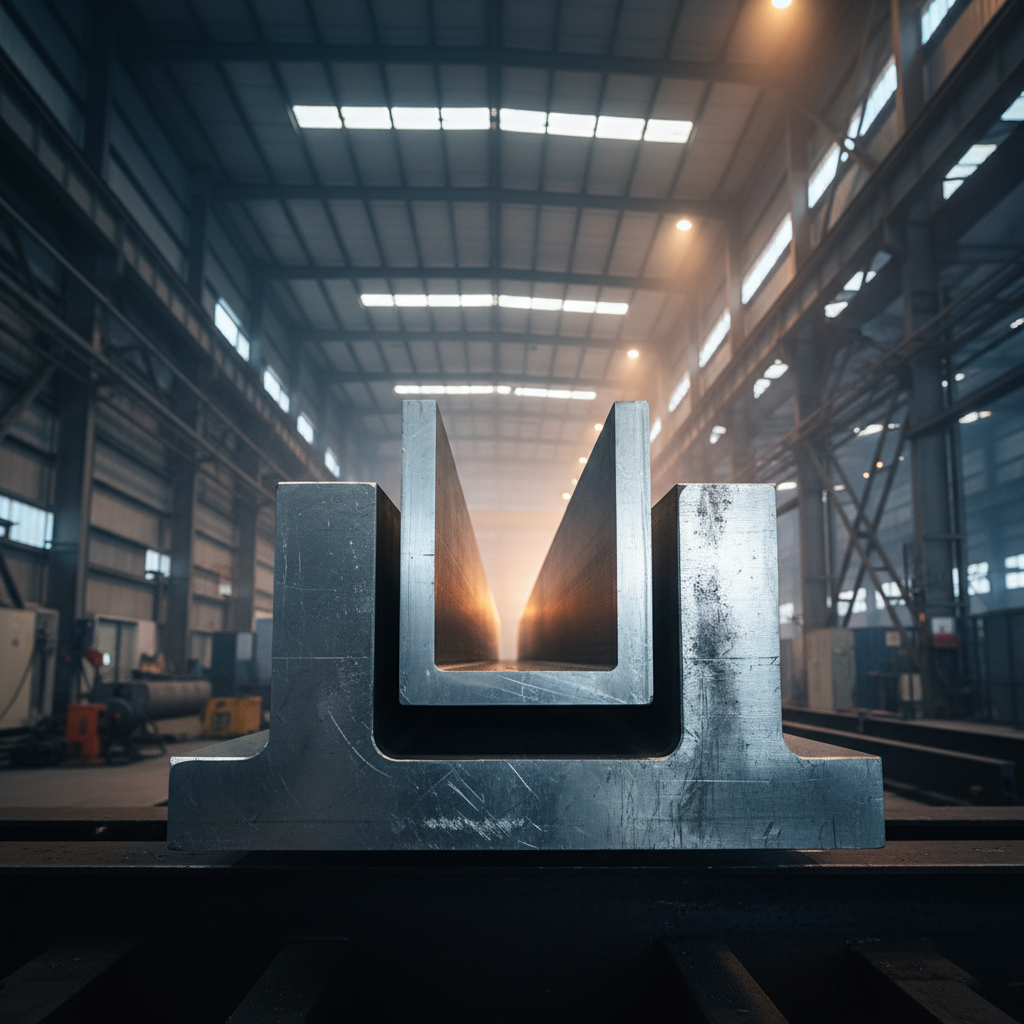
Stainless steel channel with aluminum groove represents a versatile and increasingly vital component in modern construction, manufacturing, and infrastructure. Its unique combination of strength, corrosion resistance, and lightweight properties makes it ideal for a wide array of applications, from structural supports and protective housings to intricate framing systems. Understanding its capabilities and benefits is crucial for engineers, architects, and fabricators seeking durable, reliable, and cost-effective solutions.
The global demand for robust, corrosion-resistant materials is steadily increasing, driven by factors such as aging infrastructure, expanding urbanization, and the need for sustainable building practices. Stainless steel channel with aluminum groove directly addresses these needs, offering a compelling alternative to traditional materials like carbon steel and aluminum. As industries prioritize longevity, reduced maintenance, and environmental responsibility, the importance of this composite material continues to grow.
Furthermore, advancements in manufacturing techniques and material science are constantly expanding the possibilities for stainless steel channel with aluminum groove. This includes optimized alloy compositions, improved fabrication processes, and innovative designs tailored to specific applications. Exploring these developments is essential for maximizing the potential of this material and unlocking new levels of performance and efficiency.
Introduction to stainless steel channel with aluminum groove
The fusion of stainless steel and aluminum in a channel profile creates a material that leverages the strengths of both components. Stainless steel provides exceptional strength, corrosion resistance, and durability, while aluminum contributes to a lighter weight and improved thermal conductivity. This synergy is what makes stainless steel channel with aluminum groove a preferred choice in many demanding applications.
This innovative material isn't simply a combination of two metals; it's an engineered solution designed to overcome limitations inherent in using either material alone. The aluminum groove often serves a critical function, whether it's for attaching accessories, providing pathways for wiring, or enhancing structural integrity through specialized joining techniques.
Global Relevance and Industry Context
The demand for high-performance materials like stainless steel channel with aluminum groove is directly correlated with global infrastructure development and the increasing need for sustainable construction practices. According to a 2023 report by the World Bank, investments in infrastructure are projected to reach $1.2 trillion annually by 2030, largely driven by urbanization and population growth in emerging economies. This presents a significant opportunity for materials offering long-term durability and reduced lifecycle costs.
Furthermore, ISO standards relating to corrosion protection and material performance are becoming increasingly stringent, forcing industries to adopt more resilient solutions. The rise of industries such as renewable energy (solar panel mounting structures), transportation (vehicle framing), and marine engineering (offshore platforms) further fuels the demand for materials capable of withstanding harsh environmental conditions. The long-term cost savings and reduced maintenance requirements associated with stainless steel channel with aluminum groove position it as a crucial material in these sectors.
A key challenge within many industries is reducing carbon footprints and improving sustainability. Traditional materials like carbon steel often require extensive corrosion protection measures, adding to both cost and environmental impact. Stainless steel channel with aluminum groove, with its inherent corrosion resistance, offers a more sustainable alternative, reducing the need for frequent replacements and minimizing waste.
Defining stainless steel channel with aluminum groove
Stainless steel channel with aluminum groove is a composite structural component typically manufactured by integrating a stainless steel channel section with an embedded or attached aluminum groove. The stainless steel provides the primary structural support and corrosion resistance, while the aluminum groove serves as a versatile feature for mounting, fastening, or accommodating various components. Its defining characteristic is this intentional combination of two distinct materials to achieve superior performance.
This construction method connects seamlessly with the evolution of modern industrial needs, especially in areas requiring both strength and adaptability. It addresses a critical need for lightweight, high-strength materials that can withstand harsh environments without compromising functionality. The aluminum groove’s versatility allows for customized solutions, increasing its utility in an array of applications and bridging the gap between rigid structural integrity and modular component integration.
Unlike simply using stainless steel or aluminum individually, this composite provides an engineered solution. It's not merely a structural element; it’s a system designed for efficient assembly, enhanced functionality, and long-term reliability. Its design caters to modern fabrication techniques, allowing for streamlined production and customization.
Key Factors and Core Components
Several key factors contribute to the unique advantages of stainless steel channel with aluminum groove. Firstly, Durability is paramount, as the stainless steel provides exceptional resistance to corrosion, wear, and tear, ensuring a long service life even in harsh conditions. Secondly, Weight Reduction is a significant benefit; the aluminum groove contributes to a lighter overall component compared to a fully stainless steel alternative.
Thirdly, Versatility is achieved through the aluminum groove, allowing for easy integration of accessories, wiring, or other components. The groove can be customized in terms of size, shape, and location to meet specific application requirements. Fourthly, Cost Efficiency is realized through optimized material usage and reduced maintenance costs over the lifespan of the structure. Finally, Fabrication Ease is a key advantage, allowing for straightforward cutting, drilling, and welding processes.
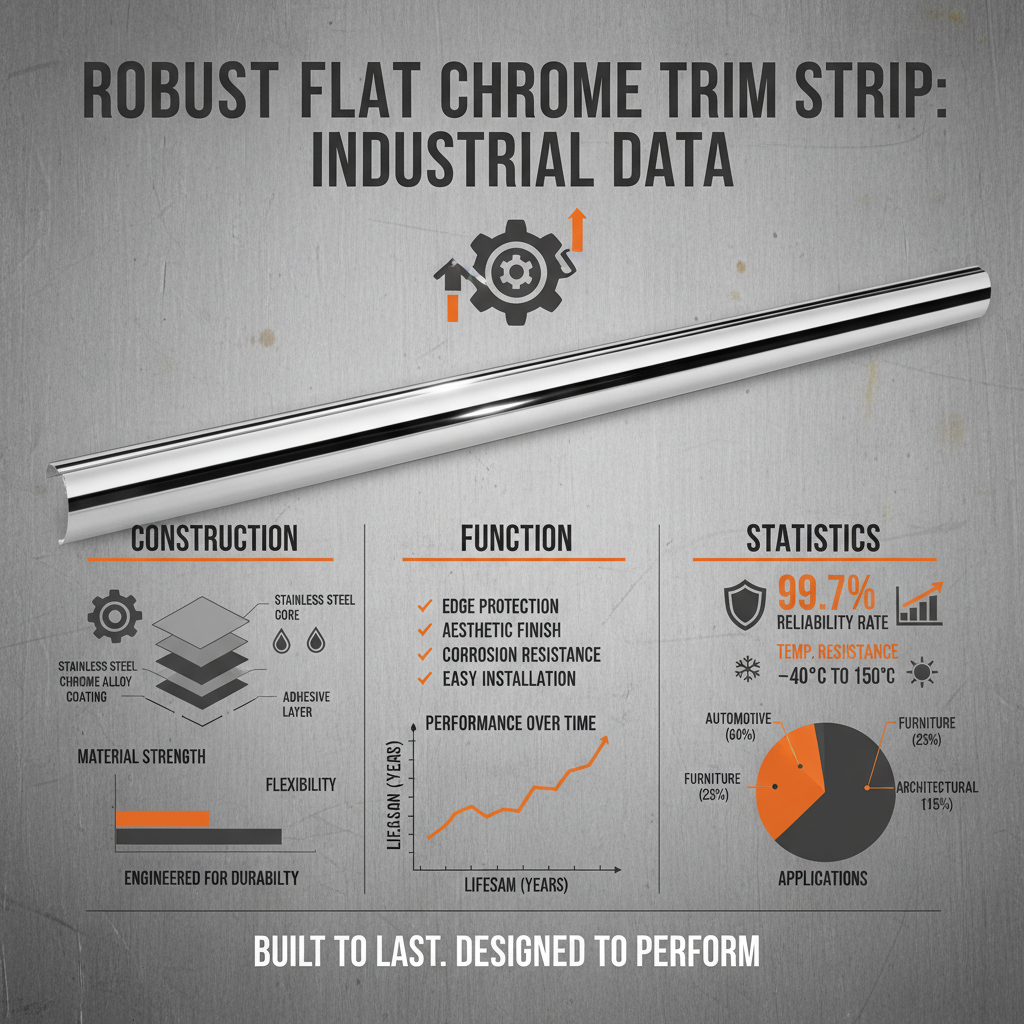
Stainless Steel Channel with Aluminum Groove Performance Metrics
Applications and Use Cases Worldwide
Stainless steel channel with aluminum groove finds application across a diverse range of industries globally. In the construction sector, it's utilized in building facades, roofing systems, and structural supports, providing both strength and aesthetic appeal. The automotive industry employs it for vehicle chassis components and protective housings, capitalizing on its lightweight and corrosion-resistant properties. In post-disaster relief operations, stainless steel channel with aluminum groove can be rapidly deployed as a framework for temporary shelters and medical facilities.
Furthermore, the renewable energy sector extensively uses this material for solar panel mounting structures, particularly in coastal regions where corrosion is a major concern. Marine applications, such as boat building and offshore platforms, benefit from its ability to withstand saltwater exposure. In remote industrial zones, its durability and low maintenance requirements make it ideal for supporting critical infrastructure.
From the bustling manufacturing centers of Asia to the infrastructure projects in developing African nations, the versatility of stainless steel channel with aluminum groove makes it a globally sought-after material. Its ability to adapt to diverse environmental challenges and structural demands positions it as a cornerstone component in numerous projects worldwide.
Advantages and Long-Term Value
The advantages of using stainless steel channel with aluminum groove extend beyond its immediate physical properties. Cost savings are significant, stemming from reduced maintenance, longer service life, and minimized replacement costs. Its sustainability profile is enhanced by its durability and recyclability, aligning with environmentally conscious building practices. The inherent safety features, such as corrosion resistance and structural integrity, contribute to a more secure and reliable infrastructure.
The long-term value proposition is compelling, offering a blend of economic, environmental, and social benefits. The improved durability leads to a reduction in lifecycle costs. The reliability fosters trust among users. The commitment to sustainability enhances brand reputation. The innovative design sparks further development. These facets, combined, solidify stainless steel channel with aluminum groove’s position as a valuable investment.
Future Trends and Innovations
Several trends are shaping the future of stainless steel channel with aluminum groove. Advancements in alloy compositions are leading to even greater corrosion resistance and strength-to-weight ratios. Digital fabrication technologies, such as 3D printing and laser cutting, are enabling more complex and customized designs. Integration with smart sensor technologies allows for real-time monitoring of structural health and performance.
Furthermore, the growing emphasis on circular economy principles is driving research into more sustainable manufacturing processes and end-of-life recycling strategies. The integration of artificial intelligence (AI) and machine learning (ML) is optimizing material usage and predicting potential failure points. These innovations will further unlock the potential of stainless steel channel with aluminum groove, solidifying its role in a future defined by efficiency, sustainability, and resilience.
FAQS
Stainless steel channel with aluminum groove offers significantly improved corrosion resistance compared to carbon steel, reducing the need for protective coatings and ongoing maintenance. The addition of the aluminum groove reduces weight without compromising strength, and provides mounting versatility. This results in lower lifecycle costs and increased durability, particularly in harsh environments.
Commonly used aluminum alloys include 6061-T6, 6063-T5, and 5052-H32. 6061-T6 is favored for its high strength and weldability, while 6063-T5 offers excellent extrudability for complex groove shapes. 5052-H32 is often chosen for its superior corrosion resistance in marine environments.
Joining methods include welding, bolting, riveting, and adhesive bonding. Welding is common for creating rigid structures. Bolting and riveting provide detachable connections, ideal for modular applications. High-strength adhesives are used for bonding components where welding is not feasible or desired. The aluminum groove itself allows for easy fastening of accessories.
Weight reduction is particularly critical in the aerospace, automotive, and transportation industries. In these sectors, lighter structures translate to improved fuel efficiency, increased payload capacity, and enhanced performance. Stainless steel channel with aluminum groove offers an ideal solution where strength and weight optimization are paramount.
Yes, with proper material selection, stainless steel channel with aluminum groove is well-suited for saltwater and marine environments. Using stainless steel grades like 316 or Duplex, combined with aluminum alloys designed for marine applications (e.g., 5052-H32), provides excellent corrosion resistance, ensuring long-term performance in harsh conditions.
Lead times vary depending on the complexity of the design, the quantity ordered, and current production schedules. Generally, standard profiles are readily available with shorter lead times. Custom fabrications typically require 4-8 weeks, including design verification, material procurement, and manufacturing. Contact us for a specific quote and timeframe.
Conclusion
Stainless steel channel with aluminum groove represents a compelling solution for industries demanding high strength, corrosion resistance, and lightweight construction. Its unique combination of materials, coupled with advancements in manufacturing technologies, provides a versatile and cost-effective alternative to traditional materials. From infrastructure development to renewable energy and transportation, this composite material is poised to play an increasingly vital role in shaping a more sustainable and resilient future.
As innovation continues, we anticipate further refinements in alloy compositions, fabrication processes, and integration with smart technologies. To explore how stainless steel channel with aluminum groove can benefit your specific application, visit our website today to learn more and request a customized solution.