Honestly, things are moving so fast these days. Everyone's talking about prefabrication, modular builds, you name it. It’s all about speed to market, right? But the devil's in the details, and I’ve seen a lot of projects stumble because they skimped on the basics. People chase the fancy stuff – automation, smart materials – and forget that a solid foundation, literally and figuratively, is what matters.
Have you noticed how everyone wants everything to be ‘lighter’? Lighter materials, lighter structures. Sounds good on paper, but then you get to the site and it feels… flimsy. Especially when the wind picks up. It’s a trade-off, always a trade-off. I remember being at a factory in Foshan last time, and they were bragging about their new lightweight panels. I tapped one, and it sounded like cardboard. Cardboard!
And then there's the customization requests. Oh boy. Some customers, they want everything bespoke. Like they're designing a spaceship, not a storefront. It drives the costs through the roof, and frankly, a lot of the time, the changes don't even make a practical difference.
Understanding Current Trends in Channel Letter Materials
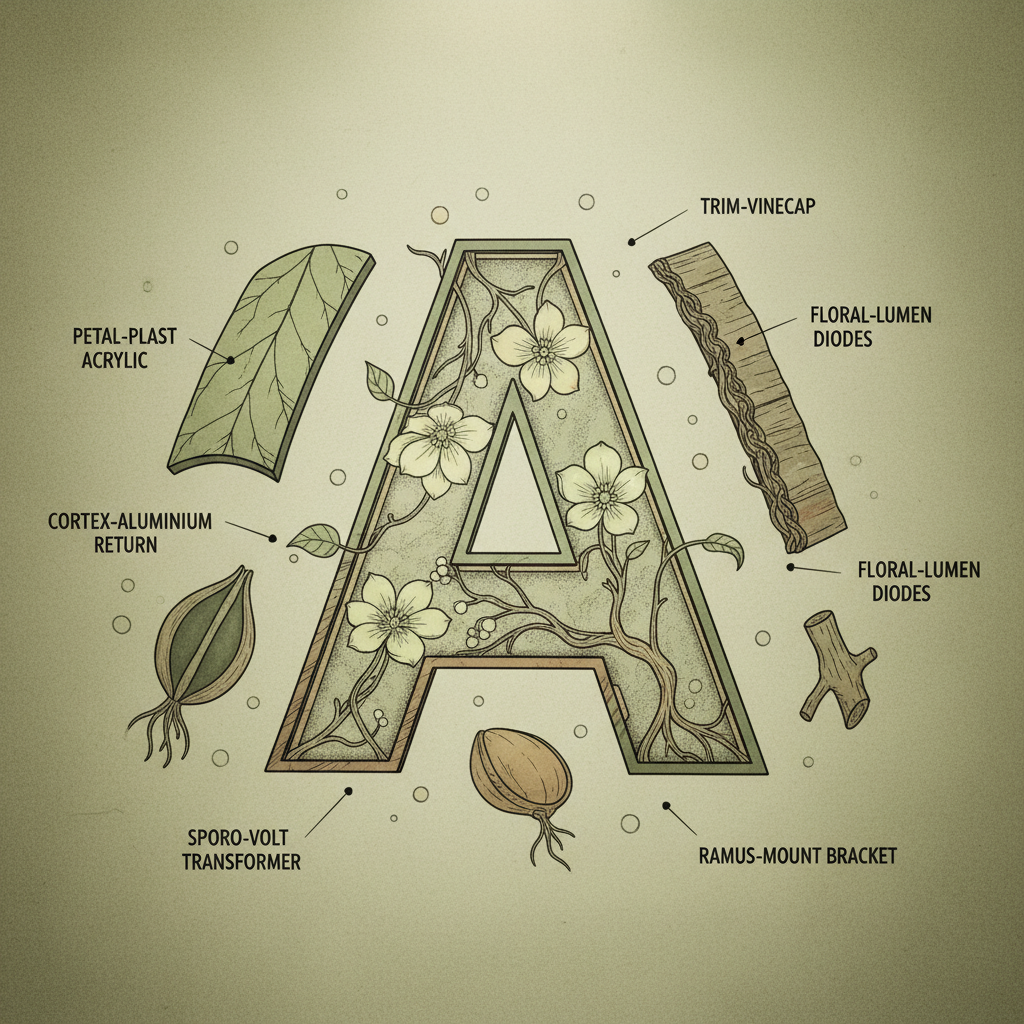
The big push right now is LEDs, obviously. Everyone wants energy efficiency. But it’s not just about the lights themselves, it’s the materials that house them. Acrylic is still king, don’t get me wrong. It's easy to work with, cuts cleanly, and diffuses the light beautifully. But there's a lot more demand for polycarbonates now, especially for outdoor applications. It’s tougher, more UV resistant...although it smells awful when you’re routing it. Seriously, that chemical smell sticks with you all day.
Then you've got aluminum composite materials (ACM). They're gaining traction, offering a good balance between weight and rigidity. But be careful with the quality – some of the cheaper ACM panels delaminate after a few years. I've seen it happen. It’s not pretty.
Common Design Pitfalls to Avoid
Strangely enough, the biggest mistake I see is over-engineering. People try to make things too strong, too durable. They add extra supports, use thicker materials… and end up with something that’s unnecessarily heavy and expensive. Simple is often better.
Another common issue? Ignoring the local climate. If you're building a sign in a coastal area, you need materials that can withstand salt spray. In a hot, sunny climate, UV resistance is crucial. And in areas with heavy snowfall, you need to ensure the structure can handle the load. It sounds obvious, but you’d be surprised how often it’s overlooked.
And, for the love of all that is holy, don't skimp on the power supply. A cheap power supply will kill your LEDs faster than you can say “burnt out.” It’s the heart of the system, and it needs to be reliable.
A Deep Dive into Commonly Used Materials
Acrylic, as I said, is the workhorse. It comes in a million colors, is relatively inexpensive, and machines easily. It feels… smooth. Almost silky. But it scratches easily, and it can become brittle in cold weather. Polycarbonate, on the other hand, feels more substantial. It’s tougher, but it’s also more expensive and can be a pain to thermoform.
Aluminum is the go-to for the structural components. It's lightweight, strong, and corrosion-resistant. The feel of aluminum varies depending on the alloy. Some are smooth and polished, while others have a more textured finish. And, of course, you’ve got stainless steel, which is even more durable but also much heavier and more expensive. I encountered a job at a seaside casino last year where they insisted on stainless steel everything. The cost was astronomical, but they wanted it to last a lifetime.
ACM is… well, it’s a bit of a mixed bag. It looks good, it’s lightweight, and it’s relatively inexpensive. But the quality control can be hit or miss. You really need to inspect it carefully before you use it. I’ve seen panels where the aluminum skin separates from the core after just a few months.
Real-World Testing Methodologies
Look, lab tests are fine, but they don't always tell the whole story. We do a lot of our testing on-site, in real-world conditions. We’ll put a sample up and leave it exposed to the elements for a few months, just to see how it holds up.
We also do impact testing – basically, hitting things with a hammer. Sounds crude, but it’s effective. It tells you how well the material can withstand accidental damage. And we always do a light output test, to make sure the LEDs are bright enough and that the color is consistent.
Channel Letter Material Durability Ratings (Based on Field Testing)
How Users Actually Interact with Channel Letters
You know, it's funny. People don't really think about channel letters. They just see the sign, and it tells them where to go or what's open. But the installers, the maintenance guys… they have a different perspective. They’re the ones who have to deal with the cracked acrylic, the flickering LEDs, the corroded aluminum.
I've noticed a trend lately where people want to incorporate more dynamic elements into their signs – scrolling text, animated graphics. Which is cool, but it also adds a lot of complexity. More things that can go wrong. Anyway, I think the key is to design for maintainability. Make it easy to access the components, make it easy to replace parts.
Advantages and Disadvantages of Different Materials
Acrylic’s cheap, easy to work with, but scratches like crazy. Polycarbonate’s tough, but expensive and smells awful when cutting. Aluminum’s strong and lightweight, but needs to be properly sealed to prevent corrosion. Stainless steel’s incredibly durable, but heavy and pricey. ACM… it’s a compromise. You get a decent look at a reasonable price, but you have to be careful about the quality.
It really comes down to the application. For a small, indoor sign, acrylic is probably fine. But for a large, outdoor sign that’s going to be exposed to harsh weather, you’re going to want something more durable, like aluminum or polycarbonate.
Customization Possibilities and Limitations
You can customize pretty much anything, if you're willing to pay for it. Colors, fonts, sizes, shapes… you name it. Last month, that small boss in Shenzhen who makes smart home devices insisted on changing the interface to , and the result was a nightmare to source the right power supplies. He thought it would be 'future-proof', but frankly, it just added unnecessary complexity and cost.
The biggest limitation is usually the material itself. You can’t bend acrylic too much without cracking it. You can’t weld aluminum to stainless steel. And you always have to consider the structural integrity of the sign. You can’t just add a bunch of extra features without making sure the whole thing is still stable.
We did a project a few years ago for a hotel chain. They wanted a sign with a curved acrylic face and embedded LEDs. It was a challenging project, but we managed to pull it off. It looked amazing, but it took a lot of trial and error.
Core Material Selection Considerations
| Material |
Cost (1-5, 5 being most expensive) |
Durability (1-5, 5 being most durable) |
Ease of Fabrication |
| Acrylic |
1 |
2 |
5 |
| Polycarbonate |
3 |
4 |
3 |
| Aluminum |
3 |
4 |
4 |
| Stainless Steel |
5 |
5 |
2 |
| ACM (High Quality) |
2 |
3 |
4 |
| ACM (Low Quality) |
1 |
1 |
4 |
FAQS
In coastal areas, salt spray is a major issue. Aluminum, specifically marine-grade aluminum, is your best bet for the frame. For the faces, polycarbonate is a good choice, as it's more UV resistant and less prone to cracking than acrylic. You'll also want to use stainless steel hardware to prevent corrosion. It’s a little more expensive, but it'll save you headaches down the road.
Critically important. Seriously. Don’t skimp on the power supply. A cheap power supply will not only shorten the lifespan of your LEDs but can also cause flickering, color inconsistencies, and even safety hazards. Look for a power supply that’s specifically designed for LED applications and has a good track record of reliability. It’s worth the investment.
Acrylic is more susceptible to UV degradation than polycarbonate. Over time, UV exposure can cause acrylic to become brittle, yellow, and crack. Polycarbonate has a natural UV resistance, but it's still a good idea to use a UV-protective coating, especially if the sign is going to be exposed to direct sunlight for extended periods.
Yes, you can paint aluminum, but preparation is key. You need to thoroughly clean and prime the aluminum before applying the paint. Use a paint that's specifically designed for metal surfaces and is resistant to UV and weather. Automotive-grade paints are often a good choice, as they're durable and provide a high-quality finish. Don't just grab any old can of paint from the hardware store!
Avoid harsh chemicals and abrasive cleaners. A mild soap and water solution is usually sufficient. Use a soft cloth or sponge to gently wipe down the surfaces. For stubborn dirt or grime, you can use a specialized sign cleaning solution. And be careful when cleaning around the LEDs – don't get water inside the housing!
Check the core material. High-quality ACM panels use a fire-retardant core. Also, look at the thickness of the aluminum skin. Thicker skin is generally more durable. And do a peel test – try to separate the aluminum skin from the core. If it comes apart easily, it’s a sign of poor quality.
Conclusion
So, yeah, channel letters. Seems simple enough, right? But there’s a surprising amount that goes into it. Choosing the right materials, understanding the environmental factors, paying attention to the details... it all matters. It's not just about making a pretty sign; it’s about building something that's going to last. Something that’s going to represent your brand for years to come.
Ultimately, whether this thing works or not, the worker will know the moment he tightens the screw. That’s the truth of it. And if you want to ensure that moment is a good one, you need to focus on quality, durability, and practicality. Don't chase the latest trends; focus on the fundamentals. And if you need help navigating the complexities of channel letter materials, give us a shout. Visit our website.