Stretched ceiling keels in various shapes represent a significant advancement in modern architectural and interior design solutions. These innovative systems, beyond their aesthetic appeal, offer a versatile and efficient approach to creating dynamic and functional spaces. Understanding the nuances of these keels—from their materials and installation to their applications—is becoming increasingly important for architects, designers, and builders globally. They are not merely decorative elements; they are integral components contributing to improved acoustics, lighting solutions, and overall spatial quality.
The global demand for adaptable and efficient building materials is steadily rising, driven by urbanization, sustainability concerns, and a desire for aesthetically pleasing environments. Stretched ceiling keels in various shapes directly address these needs, providing a cost-effective and visually striking alternative to traditional ceiling finishes. According to reports from the UN and World Bank, there is a growing need for rapid and scalable housing solutions, particularly in developing nations. These keels fit this requirement. Moreover, the ISO standards for indoor air quality highlight the importance of materials that minimize VOC emissions, a key advantage offered by many modern stretched ceiling systems.
The inherent adaptability of stretched ceiling keels contributes to their broad appeal. From simple, flat designs to complex, multi-layered structures, these systems can be tailored to meet specific project requirements and design visions, making them increasingly prominent in commercial and residential spaces.
Introduction to stretched ceiling keels in various shapes
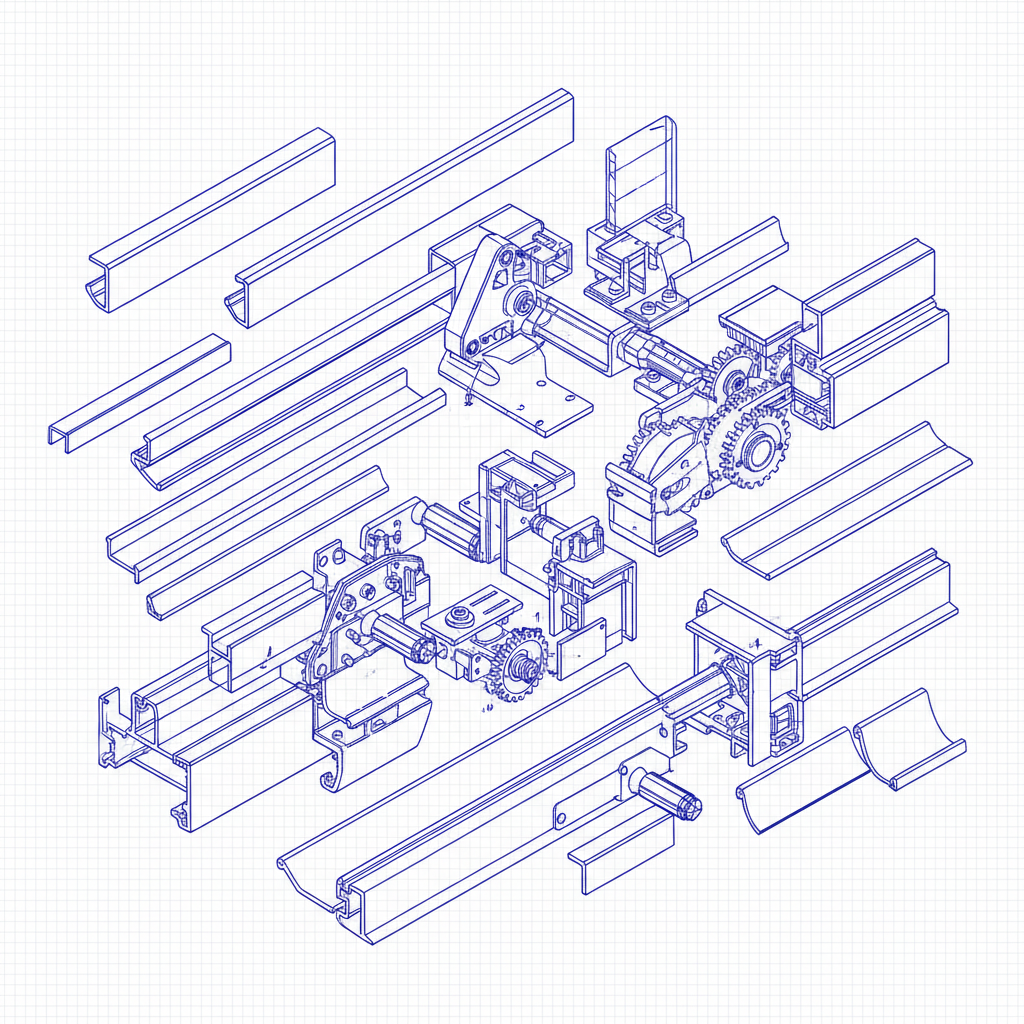
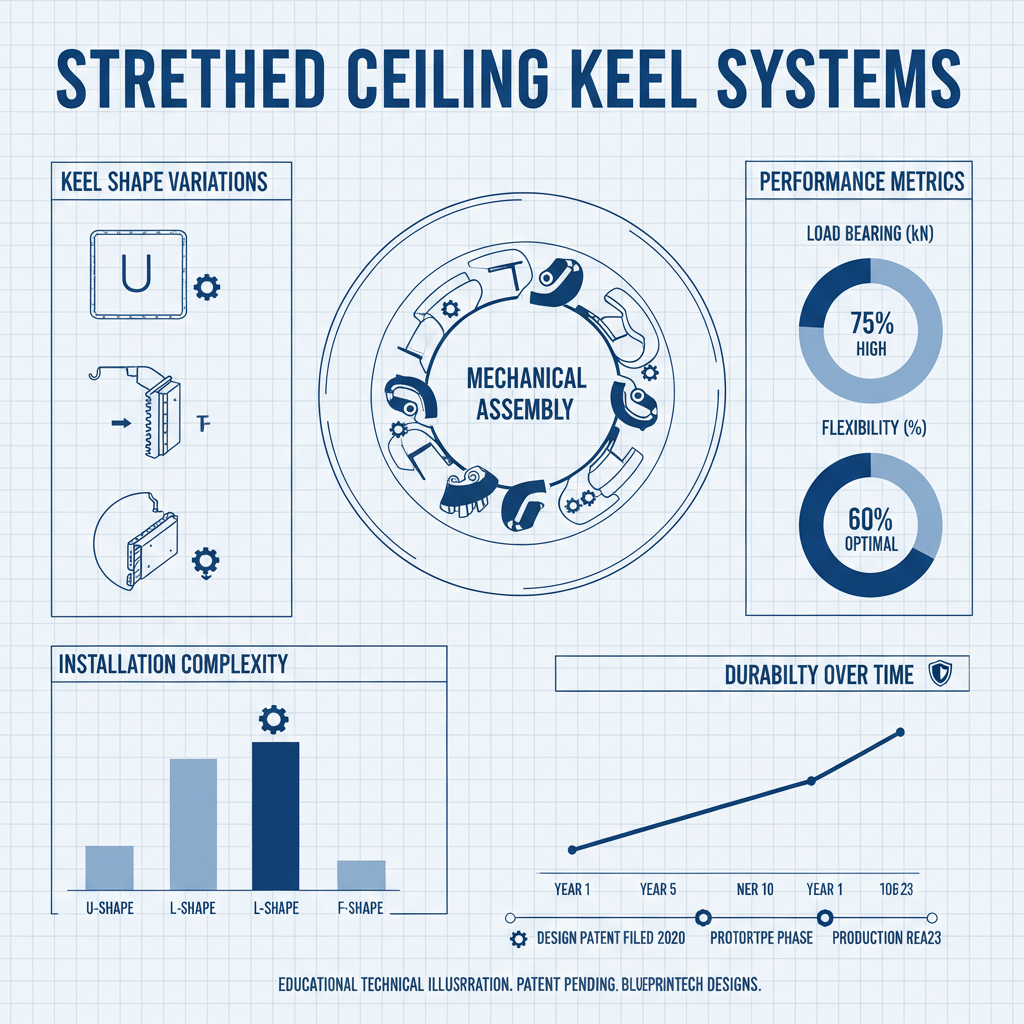
Stretched ceiling keels in various shapes offer a unique combination of aesthetic flexibility and functional benefits. These systems utilize a lightweight membrane—typically PVC, PET, or fabric—stretched over a concealed framework, resulting in a seamless, visually appealing surface. The 'keels' themselves refer to the supporting structures, which come in numerous profiles and materials allowing for curves, waves, and complex three-dimensional designs. stretched ceiling keels in various shapes are increasingly favored in both residential and commercial projects.
The inherent versatility of the system allows for integration of lighting, ventilation, and other building services within the cavity between the membrane and the structural ceiling. This enhances accessibility for maintenance and upgrades, contributing to a longer lifespan and reduced lifecycle costs. Furthermore, the wide range of available colors, textures, and finishes makes it possible to create truly customized spaces that reflect the specific design intent and branding of a project.
Defining Stretched Ceiling Keels
Stretched ceiling keels are not merely a finishing material but a complete system. They consist of two primary components: the membrane (the visible surface) and the underlying support framework—the keels. The keels, traditionally made of aluminum but increasingly available in steel and even composite materials, are carefully installed to create a precise and stable base for the membrane. These frameworks are designed to accommodate different shapes, including straight lines, curves, and complex geometries.
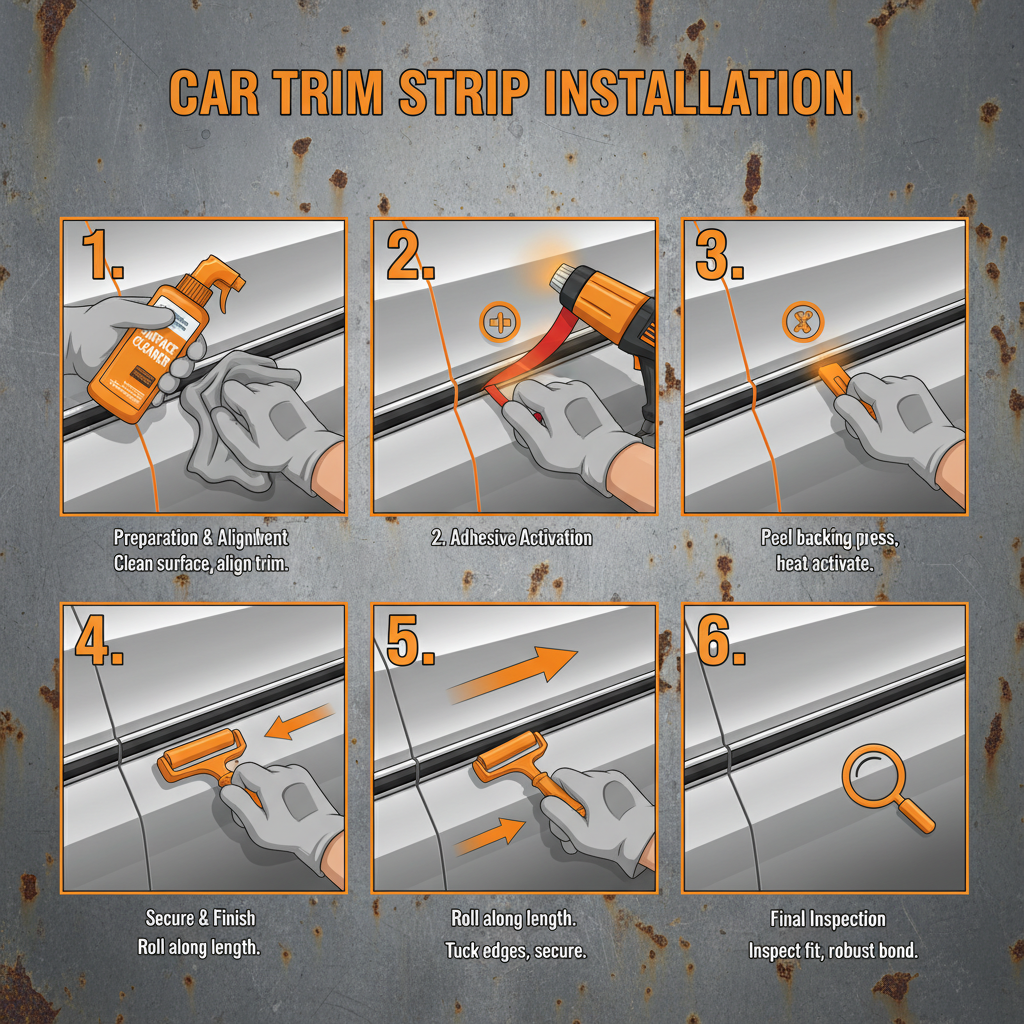
The membrane is then securely attached to the keel framework, creating a taut, smooth surface. This tensioning process is crucial for achieving the desired aesthetic and structural integrity. Modern stretched ceiling systems often employ harpoon fastening, where the membrane is fixed to the keel via a specialized locking mechanism, ensuring a secure and durable connection.
This system is distinct from traditional suspended ceilings in its construction and functionality. While traditional ceilings often rely on exposed grids and tiles, stretched ceiling keels offer a seamless appearance and improved sound absorption qualities. This connection to providing modern industry and humanitarian needs is growing as requirements for hygiene, aesthetics and cost efficiency increase.
Core Characteristics of Stretched Ceiling Keels
One of the defining characteristics of stretched ceiling keels is their durability. The materials used – aluminum, steel, high-quality PVC or PET membranes – are resistant to cracking, sagging, and discoloration. This ensures a long-lasting, low-maintenance ceiling solution. stretched ceiling keels in various shapes are built to withstand environmental factors, making them suitable for diverse climates.
Scalability is another key advantage. Stretched ceiling keels can be adapted to virtually any space, from small residential rooms to large commercial halls. The modular nature of the system allows for easy expansion or modification, making it ideal for projects with evolving needs. The ability to create custom shapes and sizes without significant additional cost further enhances scalability.
Cost efficiency is a significant benefit, especially when considering the lifecycle costs. While the initial investment may be comparable to or slightly higher than some traditional ceiling options, the reduced maintenance requirements, longer lifespan, and potential for integrating lighting and other services can result in substantial savings over time. The lightweight nature of the materials also reduces structural load, potentially lowering construction costs.
Practical Applications and Use Cases
Stretched ceiling keels are widely utilized in commercial settings, including offices, retail spaces, and healthcare facilities, where aesthetics, hygiene, and functionality are paramount. Their seamless surface and ease of cleaning make them ideal for environments requiring stringent sanitation standards, such as hospitals and laboratories.
In residential applications, stretched ceiling keels are used to create visually stunning living rooms, bedrooms, and bathrooms. The ability to incorporate custom lighting designs and create unique ceiling features makes them a popular choice for homeowners seeking a sophisticated and modern look.
Beyond these core applications, stretched ceiling keels are also finding increasing use in specialized environments. For example, in post-disaster relief operations, rapidly deployable stretched ceiling systems can provide temporary shelter and improved living conditions. In remote industrial zones, their durability and low maintenance make them a practical solution for challenging environments.
Comparison of Stretched Ceiling Keel Materials
Advantages and Long-Term Benefits
The tangible benefits of stretched ceiling keels extend beyond aesthetics. Cost savings are realized through reduced maintenance needs and energy efficiency gains. The ability to integrate lighting directly into the ceiling system minimizes the need for additional fixtures, lowering energy consumption and associated costs.
From a sustainability perspective, many stretched ceiling membranes are made from recyclable materials, contributing to a reduced environmental footprint. The long lifespan of the system also minimizes waste, aligning with principles of circular economy. The emotional benefits are equally compelling: a beautifully designed ceiling enhances well-being and creates a more positive environment.
Future Trends and Innovation
Ongoing innovations in materials science are leading to the development of even more sustainable and high-performance stretched ceiling membranes. Bioplastics and recycled materials are gaining traction, further reducing the environmental impact of these systems. Digital printing technologies are enabling increasingly complex and customized designs, pushing the boundaries of creative expression.
Integration with smart building technologies is another emerging trend. Stretched ceiling systems can be equipped with sensors and controls to monitor air quality, temperature, and lighting levels, optimizing energy efficiency and creating a more responsive and comfortable environment.
Automation in the installation process is also streamlining workflows and reducing labor costs. Pre-fabricated keel modules and automated tensioning systems are making it easier and faster to install stretched ceiling systems, accelerating project timelines.
Challenges and Mitigation Strategies
One common challenge is ensuring proper installation to avoid sagging or wrinkles. This requires skilled installers and meticulous attention to detail. Training programs and certification schemes are helping to address this issue, ensuring a consistent level of quality.
Another potential limitation is the susceptibility of certain membranes to punctures or tears. Selecting durable, high-quality membranes and implementing protective measures in high-traffic areas can mitigate this risk. Furthermore, the initial cost can be a barrier for some projects. Demonstrating the long-term cost benefits and value proposition is crucial for overcoming this obstacle.
Addressing these challenges through continued research, development, and best practices will solidify the position of stretched ceiling keels in various shapes as a leading solution for modern architectural design.
Summary of Key Considerations for Stretched Ceiling Keel Selection
| Material Type |
Cost (1-10) |
Durability (1-10) |
Sustainability (1-10) |
| Aluminum Keels |
7 |
9 |
6 |
| Steel Keels |
6 |
10 |
5 |
| PVC Membranes |
5 |
7 |
3 |
| PET Membranes |
6 |
8 |
8 |
| Fabric Membranes |
4 |
6 |
7 |
| Composite Keels |
8 |
8 |
9 |
FAQS
Stretched ceiling keels offer several advantages over traditional drywall. They are lightweight, reducing structural load, and allow for easy access to services above the ceiling. They also provide a seamless, crack-free finish, and offer superior acoustic performance. Installation is faster and cleaner, minimizing disruption to occupants. Furthermore, they're often more resistant to moisture and mold.
Stretched ceiling systems can significantly improve soundproofing. The air cavity between the membrane and the structural ceiling acts as a sound absorber. The level of sound reduction depends on the specific membrane material, the size of the cavity, and the addition of acoustic insulation. Sound Transmission Class (STC) ratings can range from 35 to 50 dB, depending on the system configuration.
Yes, certain stretched ceiling membranes, particularly PVC, are highly resistant to moisture and are suitable for use in bathrooms and other wet environments. They do not promote mold growth and are easy to clean. However, it’s crucial to ensure proper ventilation to prevent condensation buildup. Specialized membranes designed for high humidity are also available.
A properly installed stretched ceiling system can have a lifespan of 25 years or more with minimal maintenance. The membranes are resistant to discoloration and sagging. The keel framework is also durable and designed to last. Regular cleaning to remove dust and debris will help maintain its appearance over time.
Integrating lighting is one of the key advantages of stretched ceiling systems. LED strips, spotlights, and other lighting fixtures can be easily concealed within the cavity between the membrane and the structural ceiling. This creates a clean, modern look and provides a diffuse, even light distribution. Access to the lighting for maintenance and replacement is also simplified.
Minor punctures or tears in the membrane can often be repaired with a specialized patch and adhesive. However, for significant damage, it is usually more cost-effective to replace the entire membrane section. The keel framework remains in place, simplifying the replacement process. Professional installation is recommended for optimal results.
Conclusion
Stretched ceiling keels in various shapes represent a versatile and innovative solution for modern architectural and interior design. Their inherent adaptability, durability, and aesthetic appeal make them a compelling alternative to traditional ceiling systems. The ability to integrate lighting, improve acoustics, and reduce maintenance costs further enhances their value proposition. From commercial spaces to residential homes, stretched ceiling keels offer a sophisticated and functional solution for creating dynamic and inviting environments.
As material science and installation techniques continue to evolve, the potential applications of stretched ceiling keels will undoubtedly expand. Investing in this technology not only enhances the aesthetic quality of a space but also contributes to long-term sustainability and cost savings. To explore how stretched ceiling keels in various shapes can transform your project, visit our website today and discover the possibilities.