The application of u shape chrome trim strip extends across numerous industries, from automotive detailing where it enhances vehicle aesthetics and provides a protective edge, to architectural design where it adds a sophisticated finish to building elements. Its versatility, durability, and aesthetic appeal make it a crucial component in modern manufacturing and design. Understanding the properties and applications of u shape chrome trim strip is essential for professionals in these fields, contributing to enhanced product quality and innovative design solutions. Its demand is consistently high due to its ability to combine functionality with a premium appearance.
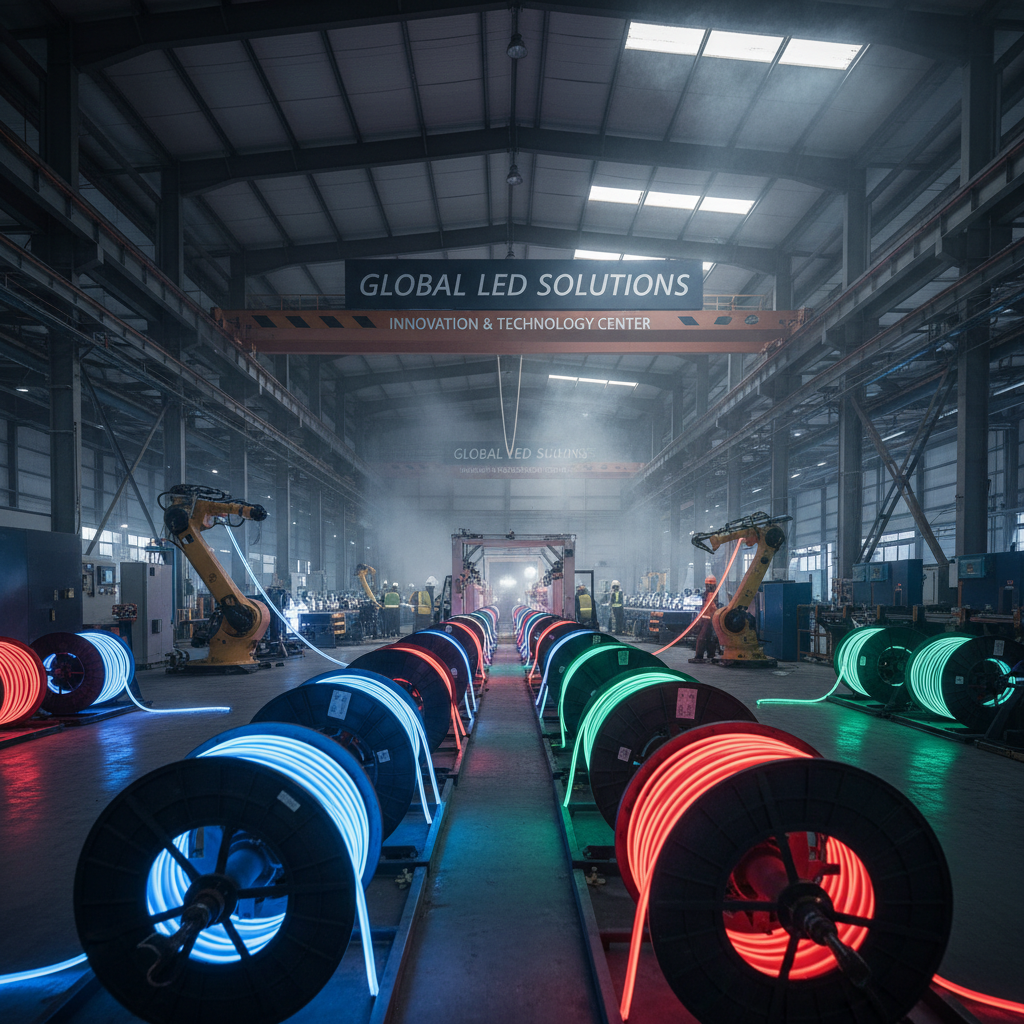
Globally, the market for chrome trim, including u shape chrome trim strip, is driven by consumer preferences for stylish and durable finishes. Manufacturing hubs in Asia, particularly China and India, are key producers, while North America and Europe represent significant consumer markets. The automotive industry remains the largest end-user, but the construction and appliance sectors are also experiencing growth. The increasing focus on vehicle personalization and home improvement projects are major contributing factors to the sustained demand for these products.
U shape chrome trim strip serves as more than just an aesthetic addition; it protects edges from damage, enhances corrosion resistance, and provides a professional, polished look. This practical functionality, coupled with its increasing availability in various materials and finishes, establishes its importance in the broader manufacturing landscape, ensuring continued relevance and innovation.
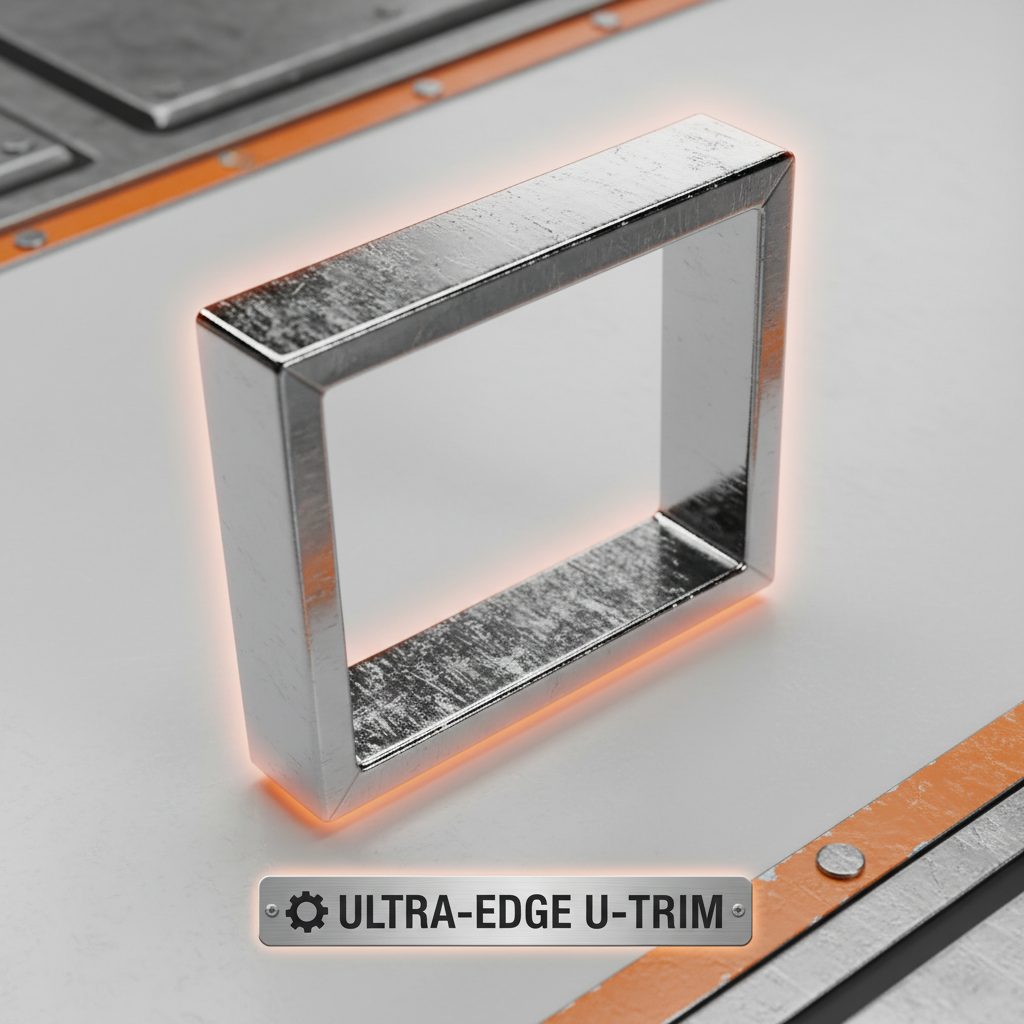
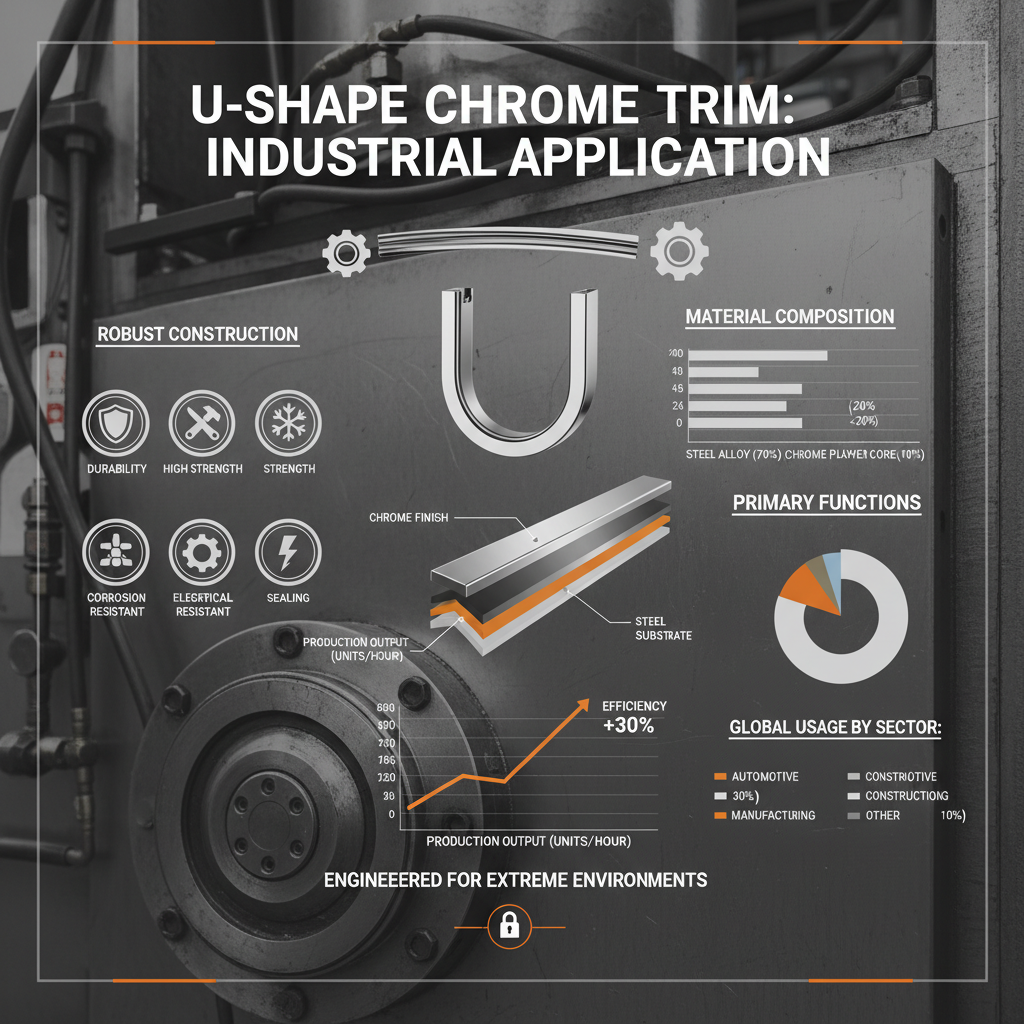
At its core, u shape chrome trim strip is about enhancing both the aesthetic and functional properties of various products. The 'u' shape allows for a snug fit along edges, providing protection from wear and tear. Chrome plating, meanwhile, delivers a visually appealing, corrosion-resistant finish. These two elements combine to create a product that is both practical and attractive, making it a staple in several manufacturing processes.
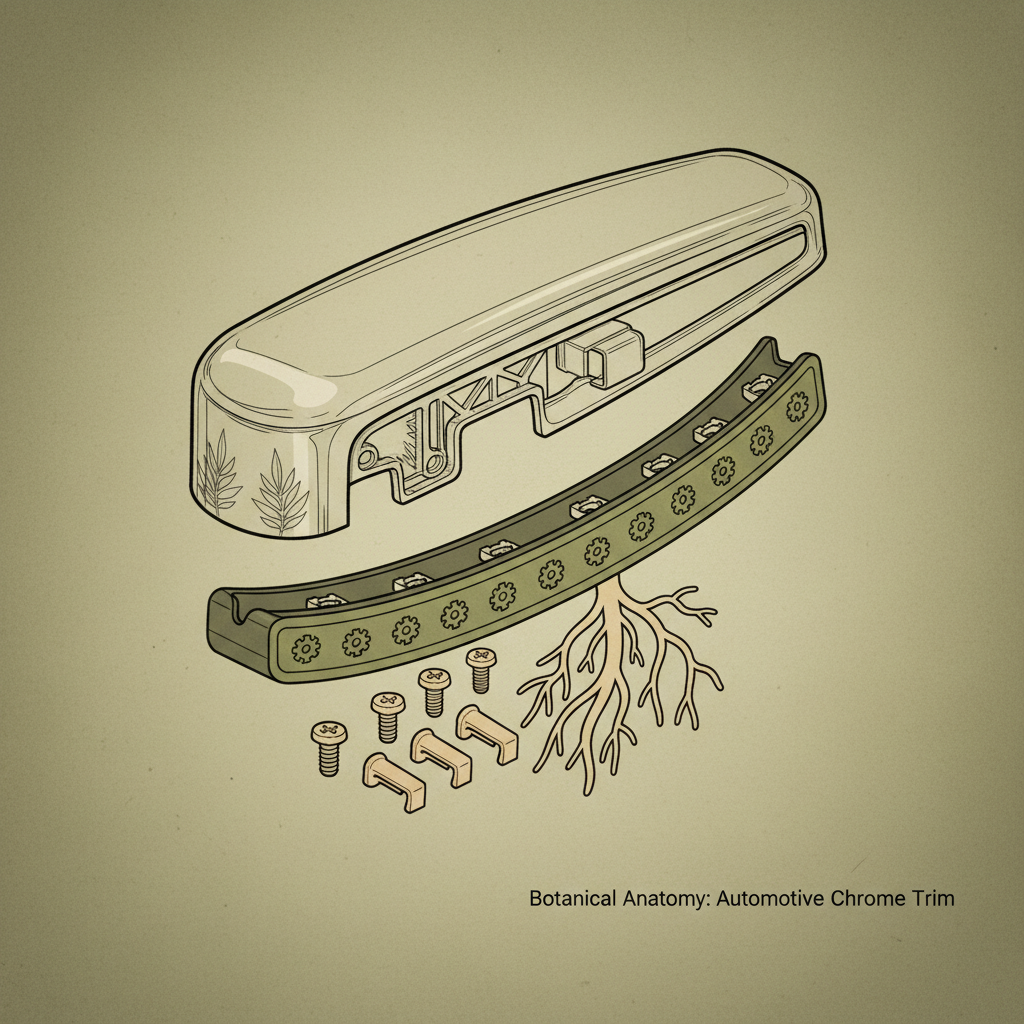
The selection of appropriate materials – stainless steel, aluminum, or plastic – is critical. Different materials offer varying levels of durability, flexibility, and cost-effectiveness. Understanding these trade-offs is vital for engineers and designers seeking the optimal u shape chrome trim strip for their specific applications.
The lifespan of u shape chrome trim strip in automotive applications varies based on material and environmental conditions. Generally, high-quality stainless steel trim can last for the vehicle’s lifetime (10+ years) with minimal corrosion. Plastic trims may last 5-7 years, depending on UV exposure and impact resistance. Proper maintenance, such as regular cleaning, can significantly extend its lifespan.
Common materials include stainless steel, aluminum, PVC, polycarbonate, and ABS plastic. Stainless steel offers excellent durability and corrosion resistance but is more expensive. Aluminum is lightweight and corrosion-resistant. PVC and polycarbonate provide flexibility and cost-effectiveness, while ABS plastic offers a good balance of properties. The choice depends on the specific application and budget.
Chrome plating significantly enhances the durability of u shape chrome trim strip by providing a protective barrier against corrosion, abrasion, and wear. The quality of the plating process is crucial; thicker, more uniform plating offers greater protection. However, traditional chrome plating contains hexavalent chromium, which is environmentally harmful. Newer alternatives, like trivalent chromium plating, offer a more sustainable option.
Proper installation is crucial for ensuring a secure and long-lasting fit. Clean the surface thoroughly before applying adhesive. Use a high-quality adhesive specifically designed for the material of both the trim and the surface. Ensure even pressure during application to avoid air bubbles. Consider using primer for better adhesion. Always follow the manufacturer’s instructions.
The recyclability of u shape chrome trim strip depends on the material. Stainless steel and aluminum are readily recyclable. PVC and ABS plastic can be recycled, but the process is more complex and often requires specialized facilities. Chrome plating adds complexity to the recycling process, as it requires separation of the chrome layer from the base material.
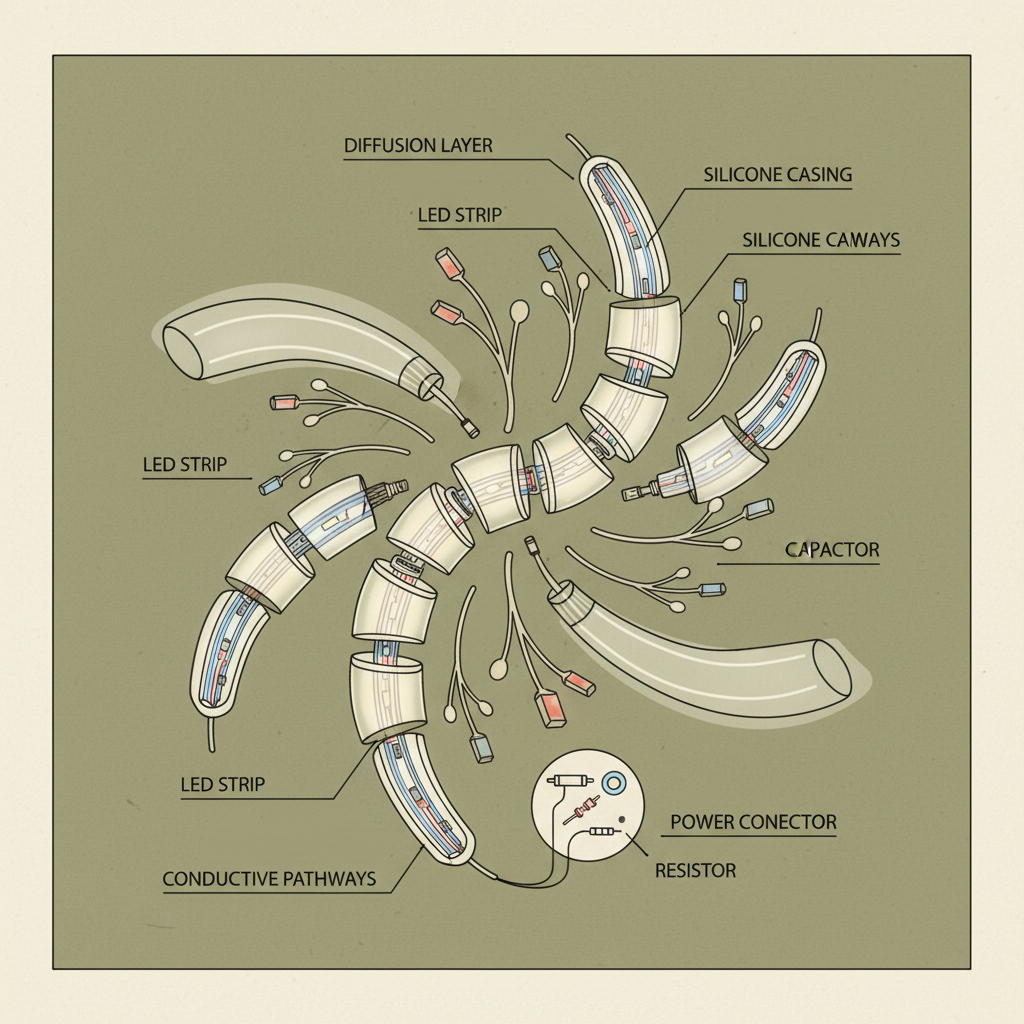
Emerging trends include the use of more sustainable materials, the integration of LED lighting for enhanced aesthetics, and the development of customizable designs using 3D printing technologies. There’s also a growing demand for trims with enhanced scratch resistance and UV protection. Manufacturers are focusing on creating trims that are both visually appealing and environmentally responsible.
U shape chrome trim strip remains an indispensable component across numerous industries, offering a unique blend of protection, aesthetic enhancement, and cost-effectiveness. Its evolution is driven by continuous innovation in materials, manufacturing processes, and sustainability practices. Understanding its core principles and applications is crucial for professionals seeking to optimize product quality and design.
Looking ahead, the future of u shape chrome trim strip lies in embracing environmentally friendly alternatives and leveraging advanced technologies like 3D printing to create customized, high-performance solutions. By prioritizing sustainability and innovation, the industry can ensure that this versatile component continues to meet the evolving needs of a global market. For premium quality and a wide selection, visit our website: www.pulongte.com.