
Comprehensive Guide to Seal Strip for Optimal Performance and Longevity
Jan . 28, 2026 11:35 Back to list
Comprehensive Guide to Seal Strip for Optimal Performance and Longevity
Seal Strip for: A Comprehensive Guide
When seeking effective sealing solutions for various applications, seal strips play a crucial role. These strips are designed to prevent the passage of air, water, dust, and other contaminants, ensuring optimal performance and longevity in numerous industries. This article delves into the world of seal strips, exploring their types, materials, applications, and benefits. Understanding the nuances of seal strips will empower you to select the perfect solution for your specific needs.
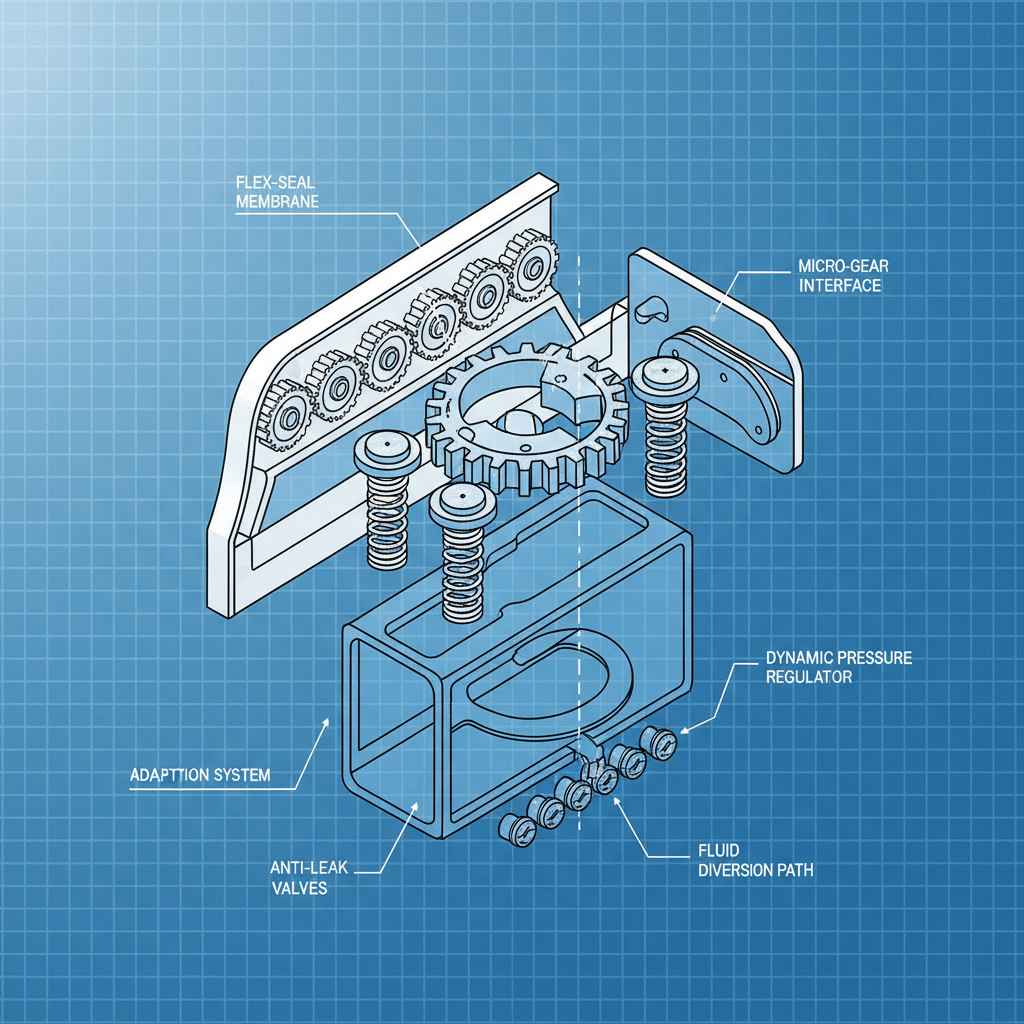
What are Seal Strips and Why are They Important?
Seal strips, also known as sealing gaskets or weatherstripping, are flexible materials used to create a barrier between two surfaces. They are vital in minimizing gaps and preventing the intrusion of external elements. From automotive applications and construction to appliance manufacturing and aerospace, seal strips contribute significantly to product performance, energy efficiency, and overall safety. They reduce noise, improve insulation, and protect sensitive components from damage. Without effective sealing, systems can suffer from reduced efficiency, increased maintenance costs, and potential failures.
Key Benefits: Reduced energy consumption, improved product lifespan, enhanced safety, minimized noise pollution, and protection against environmental factors.
Types of Seal Strips: A Detailed Overview
The market offers a wide variety of seal strips, each tailored for specific applications and environments. Common types include:
- Foam Seal Strips: Excellent for cushioning and noise reduction.
- Rubber Seal Strips (EPDM, Neoprene, Silicone): Offer superior resistance to weather, chemicals, and temperature extremes.
- PVC Seal Strips: Cost-effective and versatile for general sealing purposes.
- Metal Seal Strips (Aluminum, Stainless Steel): Provide robust sealing and high-temperature resistance.
- Brush Seal Strips: Effective for sealing gaps and preventing dust ingress.
The choice of the appropriate type depends on factors such as temperature range, exposure to chemicals, desired level of sealing, and cost considerations.
Material Comparison: Choosing the Right Seal Strip Material
Selecting the correct material is critical for ensuring long-lasting performance and reliability. Here's a comparative look at some common materials:
Applications of Seal Strips Across Industries
The versatility of seal strips lends itself to a wide range of applications. In the automotive industry, they are critical for sealing doors, windows, and trunks. The construction sector utilizes them for weatherproofing buildings, sealing windows and doors, and preventing air leaks. Appliance manufacturers rely on seal strips for ensuring airtight seals in refrigerators, washing machines, and ovens. Industrial machinery and equipment also benefit from the protective qualities offered by these seals.
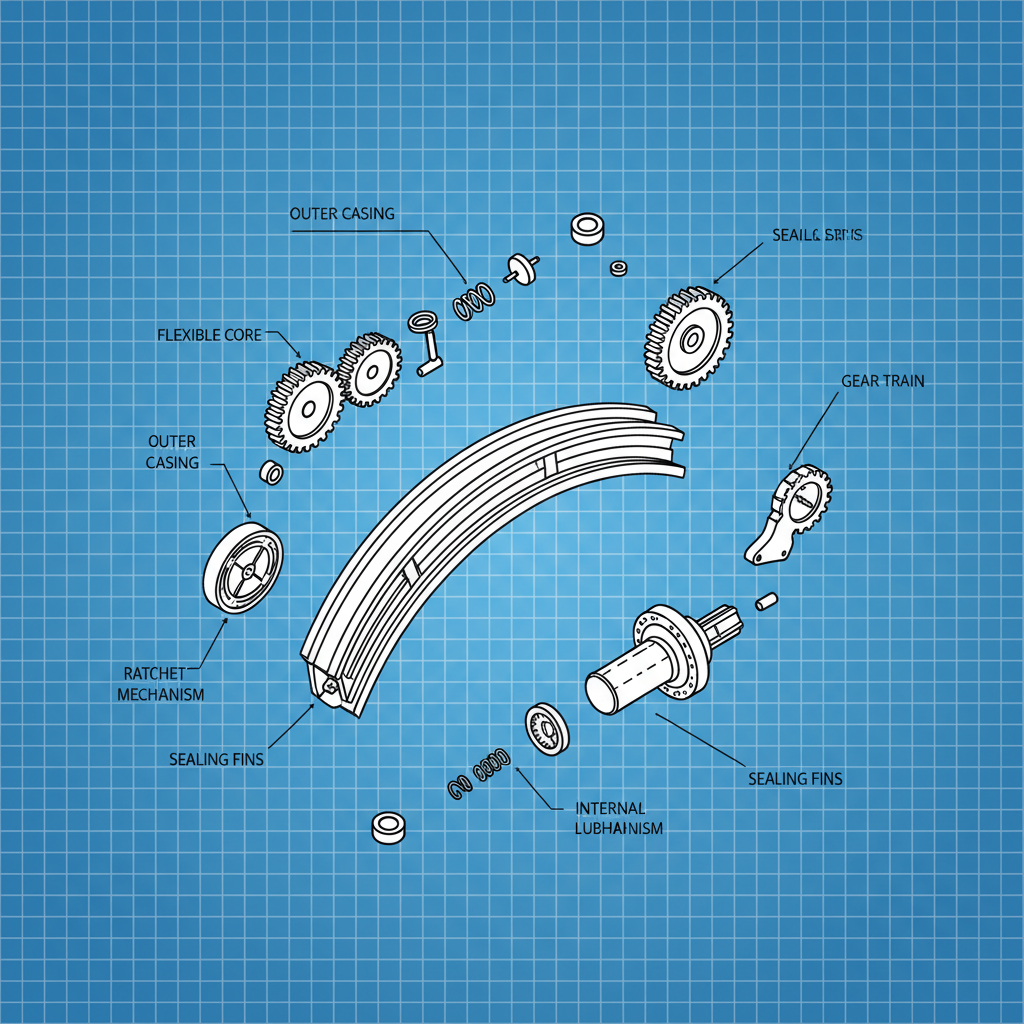
Selecting the Right Seal Strip for Your Needs
To choose the optimal seal strip, consider the following factors:
- Application Environment: What temperatures and chemicals will the seal be exposed to?
- Sealing Requirements: How airtight or watertight does the seal need to be?
- Material Compatibility: Is the seal material compatible with the surfaces it will contact?
- Cost Considerations: Balance performance with budgetary constraints.
At Pulongte, we offer a comprehensive range of seal strip solutions tailored to meet diverse industrial requirements.
Conclusion: Ensuring Optimal Sealing Performance
Investing in high-quality seal strips is crucial for maintaining the integrity, efficiency, and longevity of your products and systems. By carefully considering the application requirements and selecting the appropriate material, you can achieve optimal sealing performance and minimize potential issues. Pulongte is committed to providing innovative and reliable sealing solutions to meet your specific needs.
Frequently Asked Questions (FAQs)
What is the typical lifespan of a seal strip?
The lifespan of a seal strip varies greatly depending on the material, application environment, and exposure to UV radiation, chemicals, and physical stress. Generally, rubber and silicone seal strips can last for several years with proper care, while PVC and foam strips may have a shorter lifespan. Regular inspection and replacement as needed are crucial for maintaining optimal sealing performance. We recommend checking the seals annually and replacing them if any signs of degradation or damage are present.
How do I properly install a seal strip?
Proper installation is key to ensuring the seal strip functions effectively. Before installation, clean the surfaces to be sealed thoroughly, removing any dirt, oil, or debris. Ensure the surface is dry. Most seal strips come with adhesive backing; peel off the protective layer and carefully align the strip with the surface. Apply firm, even pressure along the entire length to ensure secure adhesion. For some applications, additional adhesives or mechanical fasteners may be required.
Can seal strips be used in extreme temperatures?
Yes, certain types of seal strips are designed for use in extreme temperatures. Silicone rubber seal strips are known for their excellent temperature resistance, capable of withstanding both high and low temperatures. EPDM rubber also offers good temperature resistance, though not as extreme as silicone. PVC and foam strips generally have a narrower temperature range and may not be suitable for harsh environments. Check the product specifications to ensure the seal strip is rated for the intended temperature range.
-
Premium ce certification aluminumplastic edge strip for Safety
NewsApr.16,2026
-
Benefits of CE Certification Garage Door Weather Seal Strip for Home
NewsApr.09,2026
-
CE Certification Bath Seal Strip Screwfix A Comprehensive Guide
NewsApr.07,2026
-
CE Certification Elan 2S Chrome Rocker Trim Strip A Comprehensive Guide
NewsApr.04,2026
-
CE Certification LED Signs and Trim Cap Solutions for Enhanced Safety
NewsMar.31,2026
-
CE Certification D Shaped Rubber Seal Strip for Industrial Applications
NewsMar.28,2026