
Premium ce certification aluminumplastic edge strip for Safety
Apr . 16, 2026 01:55 Back to list
Premium ce certification aluminumplastic edge strip for Safety
The Ultimate Guide to CE Certification Aluminum-Plastic Edge Strip
In the modern construction and interior design industry, precision and safety are non-negotiable. The ce certification aluminum-plastic edge strip has emerged as a critical component for protecting corners and edges while maintaining a sleek, professional aesthetic. Whether used in commercial buildings or residential renovations, these edge strips provide a durable barrier against wear and tear. Understanding the importance of European safety standards and material composition is key to selecting the right product for your project. In this guide, we will explore why CE-certified materials are the gold standard for edge protection and how they enhance the longevity of your installations.
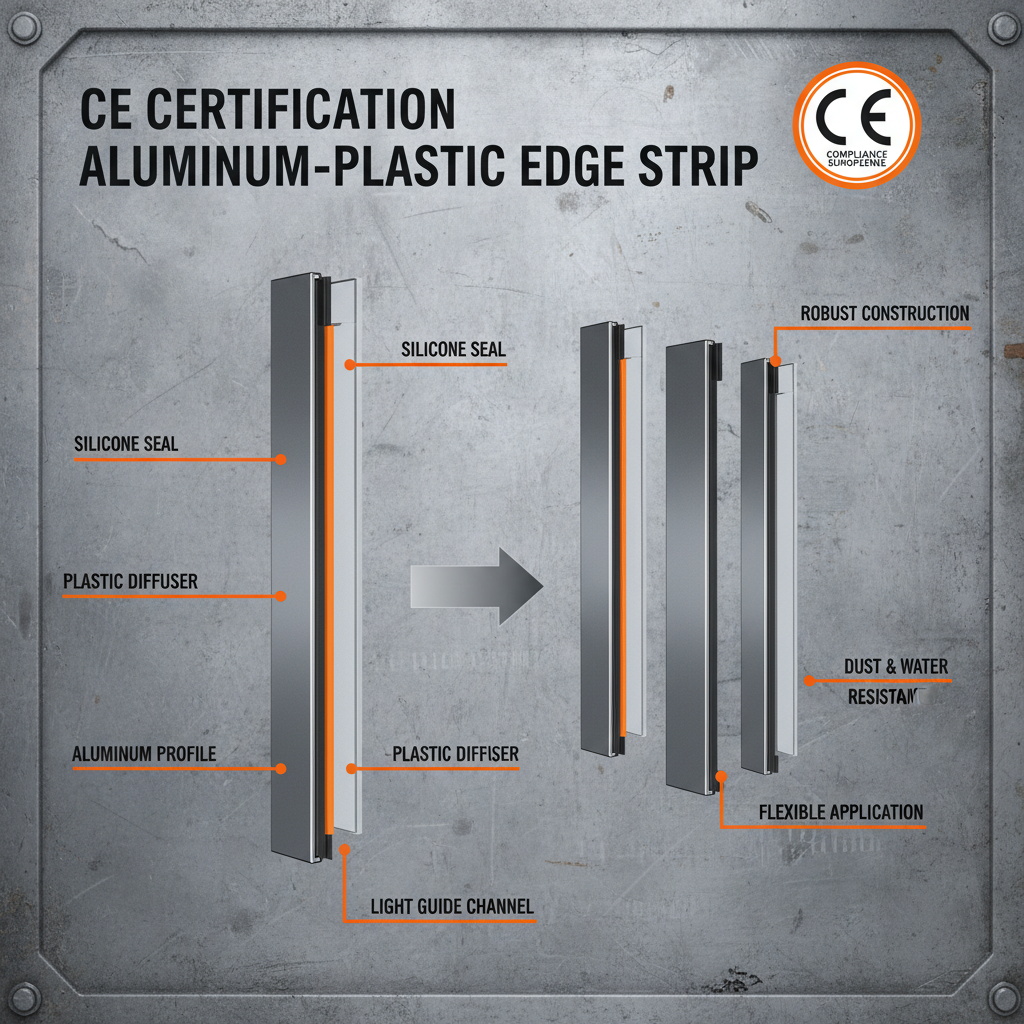
What is CE Certification for Edge Strips?
CE certification is a mandatory conformity marking for products sold within the European Economic Area (EEA). For an ce certification aluminum-plastic edge strip, this mark indicates that the product meets high safety, health, and environmental protection requirements. This ensures that the materials used—both the aluminum alloy and the plastic polymers—are non-toxic, fire-resistant, and structurally sound. By choosing certified products, contractors can avoid legal liabilities and ensure that the final construction is safe for the end-user. It is not just a label; it is a guarantee of quality and rigorous testing.
Industry Fact: CE marking simplifies the trade of goods within the EU by ensuring that products meet a unified set of safety standards, reducing the need for multiple national certifications.
Material Synergy: Aluminum and Plastic Integration
The effectiveness of the ce certification aluminum-plastic edge strip lies in its hybrid composition. Aluminum provides the structural rigidity and impact resistance necessary to protect corners from heavy blows. On the other hand, the plastic (often PVC or ABS) provides flexibility and an additional layer of cushioning, which prevents the metal from scratching surrounding surfaces. This combination results in a product that is lightweight yet incredibly strong, offering a perfect balance between industrial-grade protection and architectural elegance.
Key Material Benefits:
• Aluminum: Corrosion resistance, high strength-to-weight ratio, and recyclability.
• Plastic: Shock absorption, various color options, and ease of installation.
• Combination: Enhanced durability and a seamless finish for interior edges.
Comparing CE Certification Aluminum-Plastic Edge Strip with Standard Options
When comparing a high-quality ce certification aluminum-plastic edge strip against generic, uncertified alternatives, the difference in longevity is stark. Generic strips often use low-grade plastics that yellow over time or aluminum that oxidizes and peels. Certified strips undergo strict quality control for adhesion between the metal and plastic, ensuring they don't separate under thermal expansion or contraction. This makes them the ideal choice for high-traffic areas like hospitals, airports, and shopping malls.
Applications of CE Certification Aluminum-Plastic Edge Strips
The versatility of the ce certification aluminum-plastic edge strip allows it to be utilized across various high-demand environments. In commercial kitchens, these strips prevent the chipping of wall tiles and protect against accidental impact from trolleys. In office environments, they provide a clean finish to drywall corners, preventing the common "denting" effect. Additionally, the moisture-resistant properties of the aluminum and plastic make them suitable for bathrooms and laboratories where hygiene and durability are critical. The ability to customize colors ensures that the strips blend seamlessly with any interior design palette.
Technical Product Specifications
To help engineers and architects make an informed decision, it is essential to look at the technical specifications. A standard ce certification aluminum-plastic edge strip is engineered for maximum efficiency. The thickness of the aluminum core is optimized to prevent bending, while the plastic cladding is designed for easy cleaning and maintenance. Below is a typical specification table for our professional-grade range:
Installation and Maintenance Best Practices
To maximize the performance of your ce certification aluminum-plastic edge strip, proper installation is vital. First, ensure the surface is clean and free of dust to allow the adhesive or fasteners to bond securely. For heavy-duty applications, we recommend a combination of high-strength construction adhesive and mechanical screws. Maintenance is remarkably simple; because of the non-porous nature of the aluminum and plastic, a damp cloth and mild detergent are sufficient to remove grime. Avoiding harsh chemical solvents will preserve the plastic's color and the aluminum's anodized finish for decades.
Conclusion: The Value of Certified Edge Protection
Investing in a ce certification aluminum-plastic edge strip is an investment in the longevity and safety of your building. By blending the strength of aluminum with the resilience of plastic and adhering to strict European safety standards, these products offer an unparalleled solution for edge protection. Whether you are a developer, an architect, or a homeowner, choosing certified materials ensures a high-quality finish that withstands the test of time and traffic. Choose quality, choose safety, and choose certified protection for your project.
Frequently Asked Questions (FAQs)
Why is CE certification important for edge strips?
CE certification is crucial because it proves that the product has been tested and meets the essential health, safety, and environmental requirements of the European Union. For aluminum-plastic edge strips, this means the materials used are safe for indoor environments, meet fire safety regulations, and possess the structural integrity required to prevent accidents. Using uncertified products can lead to premature failure, potential toxicity from low-grade plastics, and non-compliance with local building codes.
Can these edge strips be used in outdoor environments?
Yes, the ce certification aluminum-plastic edge strip is highly suitable for semi-outdoor and protected outdoor environments. The aluminum core is naturally corrosion-resistant, and the UV-stabilized plastic prevents fading and cracking under sunlight. However, for extreme marine environments with high salt spray, we recommend specifying a specialized marine-grade anodized finish to ensure maximum lifespan.
How do I choose the right size and color for my project?
Selecting the right strip depends on the thickness of the edge you are protecting and the overall color scheme of the interior. We offer a wide variety of widths and heights to match standard wall and floor thicknesses. For color, you can choose between a metallic aluminum look for a modern industrial feel or colored plastic cladding to match your paint or flooring. We recommend requesting a sample kit from our website to ensure a perfect visual and physical match before placing a bulk order.
Are aluminum-plastic edge strips environmentally friendly?
Absolutely. Aluminum is one of the most recyclable materials on the planet, and the plastic components used in our CE-certified strips are designed for durability, which reduces the need for frequent replacements. By extending the life of the building's edges, you reduce overall construction waste. Furthermore, our manufacturing process adheres to strict environmental guidelines to minimize the carbon footprint, making these strips a sustainable choice for green building projects.
-
Premium ce certification aluminumplastic edge strip for Safety
NewsApr.16,2026
-
Benefits of CE Certification Garage Door Weather Seal Strip for Home
NewsApr.09,2026
-
CE Certification Bath Seal Strip Screwfix A Comprehensive Guide
NewsApr.07,2026
-
CE Certification Elan 2S Chrome Rocker Trim Strip A Comprehensive Guide
NewsApr.04,2026
-
CE Certification LED Signs and Trim Cap Solutions for Enhanced Safety
NewsMar.31,2026
-
CE Certification D Shaped Rubber Seal Strip for Industrial Applications
NewsMar.28,2026