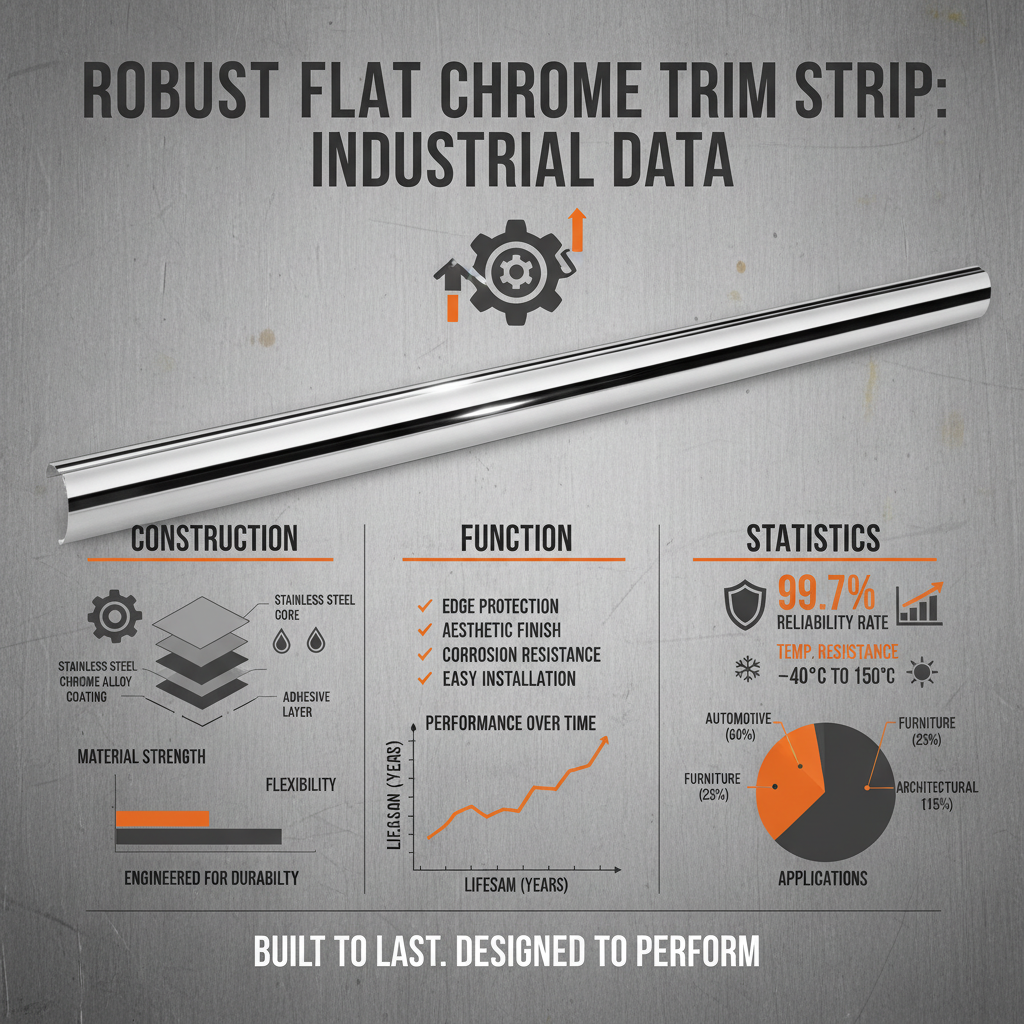
Precision in industrial sealing and structural components often hinges on the ability to manipulate thermoplastic and elastomeric materials into complex, consistent shapes. When standard off-the-shelf solutions fail to meet specific mechanical tolerances or environmental resistances, engineers turn to flexible plastic extrusion profile custom plastic extrusion parts to bridge the gap between design intent and physical reality.
The challenge in custom extrusion lies not just in the shaping of the material, but in ensuring that the flexibility, Shore hardness, and chemical stability remain uniform across thousands of linear meters. Whether it is a complex U-channel for automotive glazing or a specialized flame-retardant seal for electrical cabinets, the intersection of material science and tool engineering determines the long-term viability of the part.
Understanding the procurement logic for these components requires a deep dive into the trade-offs between TPE, PVC, and silicone, as well as the operational impact of custom tooling. This analysis explores how tailored extrusion profiles optimize industrial performance and the critical factors involved in sourcing high-precision custom parts.

Defining the Role of Custom Flexible Extrusion in Modern Industry

Custom flexible plastic extrusion refers to the continuous process of forcing a heated polymer through a precisely machined die to create a specific cross-sectional profile. Unlike injection molding, which is suited for discrete complex parts, extrusion is the primary method for producing long, uniform lengths of seals, tubes, and decorative trims. The "custom" aspect is critical because industrial environments often demand specific shore hardness, UV resistance, or co-extruded layers to achieve a seal that is both soft enough to compress and rigid enough to maintain its shape.
In the rubber and plastics industry, specifically within the manufacture of plates, tubes, and belts, the transition from standard profiles to custom parts is driven by the need for tighter tolerances. For instance, a standard U-channel might fit a general gap, but a custom profile can include integrated lips or ribs that lock into a specific chassis, reducing the need for secondary adhesives or mechanical fasteners.
The value proposition of these custom parts lies in their ability to reduce assembly time and improve the environmental seal of the final product. By integrating multiple functions—such as sealing, cushioning, and aesthetic finishing—into a single extruded profile, manufacturers can streamline their supply chain and reduce the number of individual components required for a build.
Technical Determinants of Profile Performance and Material Selection
The performance of a flexible plastic extrusion profile is dictated by the synergy between the polymer base and the die geometry. Material selection typically involves choosing between TPE (Thermoplastic Elastomers), PVC (Polyvinyl Chloride), and Silicone. TPE offers a balance of flexibility and recyclability, PVC provides excellent cost-effectiveness and chemical resistance, while Silicone is indispensable for high-temperature environments and medical-grade applications where biocompatibility is paramount.
Beyond the base resin, additives play a crucial role. Flame retardants are integrated into profiles used in electrical cabinets, while UV stabilizers are essential for automotive sealing strips exposed to direct sunlight. The extrusion process must be carefully calibrated to prevent "die swell," where the material expands upon exiting the die, potentially compromising the dimensional accuracy of the custom part.
Furthermore, co-extrusion technology allows for the combination of two or more materials in a single profile. A common example is a rigid PVC core for structural support wrapped in a soft TPE outer layer for a comfortable or sealing touch. This hybrid approach maximizes the mechanical properties of each material while maintaining a single, continuous production flow.
Critical Application Scenarios for Tailored Plastic Profiles
Custom extrusions are ubiquitous in the automotive sector, where they serve as essential components for weatherstripping and interior trim. Specifically, automobile sealing strips must maintain elasticity across a wide temperature range to prevent water ingress and wind noise, requiring a precision-engineered profile that conforms to the complex curves of modern vehicle frames.
In the industrial and construction sectors, sealing strips used in buildings and rubber sealing strips for industrial doors prevent energy loss and protect interiors from dust and moisture. The ability to customize the "compression set"—how well the material returns to its original shape after being squeezed—is vital for ensuring that these seals do not fail over years of repeated use.
Additionally, the lighting industry utilizes plastic lighting covers and LED silicone tubes. These profiles must balance optical clarity with thermal management, protecting delicate LED sources from moisture and impact while allowing light to diffuse evenly. Customization here extends to the exact inner diameter to ensure a snap-fit with the aluminum heat sink, eliminating the need for messy glues.
Analyzing the Mechanical Efficiency of Custom Extrusions
When comparing standard off-the-shelf profiles to custom-engineered parts, the primary gains are seen in sealing efficiency, weight reduction, and installation speed. Standard profiles often require over-engineering (using thicker materials than necessary) to ensure a fit, whereas custom parts are optimized for the exact application, reducing material waste and overall weight.
The following metrics illustrate the relative performance increase when transitioning from generic profiles to precision custom extrusions across key industrial benchmarks, focusing on seal integrity and operational longevity.
flexible plastic extrusion profile custom plastic extrusion parts Performance Metrics
The data indicates that while the initial setup cost for custom tooling is higher, the operational efficiency—particularly in terms of air-leakage prevention and reduced maintenance intervals—provides a significant net benefit. This is especially evident in high-pressure environments like electrical cabinets or container door seals, where a marginal improvement in fit can prevent costly equipment failure.
Strategic Procurement and Tooling Considerations for Custom Parts
Procuring custom extrusion parts requires a shift in focus from "price per meter" to "total cost of ownership." The most significant upfront investment is the die—the precision-cut metal tool that defines the profile's shape. Because the die is the heart of the process, any error in the initial CAD drawing can lead to parts that do not fit, necessitating expensive re-tooling.
Buyers should evaluate suppliers based on their ability to provide pre-production samples. A physical sample allows for the verification of Shore hardness and fit-tests before mass production begins. This step is non-negotiable for high-stakes applications, such as flame-retardant sealing strips for industrial electrical systems, where a failure in the seal could lead to safety hazards.
Furthermore, the delivery terms and payment currencies offered by a manufacturer can impact the final landed cost. For global procurement, the ability to handle various shipping terms (FOB, CIF, DDP) and multiple currencies is a sign of a mature manufacturing partner capable of supporting complex international supply chains.
Future Trajectories in Elastomeric Extrusion Technology
The industry is currently moving toward "smart" extrusion, where real-time laser measurement systems are integrated into the production line. These systems can detect micron-level deviations in the profile thickness and automatically adjust the extruder speed or temperature to maintain perfect tolerances, effectively eliminating the waste typically associated with startup and shutdown phases.
Sustainability is also driving the adoption of bio-based TPEs and recyclable PVC blends. As global regulations on plastics tighten, the demand for profiles that can be easily disassembled and recycled at the end of the product's life cycle is likely to increase. This shift may lead to the development of new co-extrusion techniques that allow different materials to be separated more easily during recycling.
Moreover, the integration of conductive elements within flexible profiles is an emerging trend. By extruding conductive polymers, manufacturers could create seals that also act as sensors, alerting operators when a seal has been compromised or when a door is not fully closed, adding a layer of digital intelligence to simple mechanical components.
Decision Matrix for Selecting Custom Extrusion Solutions
Selecting the right material and profile design requires a balanced evaluation of environmental exposure, mechanical load, and budget. A profile that is too rigid may not seal properly, while one that is too soft may collapse under the weight of the assembly. The following matrix provides a framework for comparing different extrusion approaches based on common industrial requirements.
This table compares various material and design strategies, helping procurement officers and engineers determine which configuration best suits their specific operational conditions.
| Material Type | Primary Use Case | Key Strength | Main Limitation |
|---|---|---|---|
| EPDM Rubber | Outdoor Sealing | Weather Resistance | High Tooling Cost |
| Soft PVC | Decorative Trim | Low Cost/Versatile | Limited Temp Range |
| Silicone | Medical/High Heat | Thermal Stability | Expensive Material |
| TPE | Automotive Interior | Recyclability | Lower Tear Strength |
| Co-Extruded | Structural Seals | Dual Performance | Complex Processing |
| Sponge Rubber | Acoustic Insulation | High Compressibility | Lower Durability |
Ultimately, the choice depends on the specific interaction between the profile and the mating surface. For those requiring non-standard customized silicone rubber products or specific rubber extrusion capabilities, reviewing the technical specifications and product ranges available at www.pulongte.com can provide a starting point for design validation.
Frequently Asked Questions
Conclusion
The transition to flexible plastic extrusion profile custom plastic extrusion parts represents a strategic move toward higher precision and lower long-term operational costs. By aligning material science with exact geometric requirements, manufacturers can eliminate the inefficiencies of "close-enough" fittings and achieve superior seals and finishes.
Whether solving for extreme temperatures, chemical exposure, or complex structural fits, the key to success lies in rigorous design validation and the selection of a manufacturer with deep expertise in both rubber and plastic extrusion. Readers evaluating these solutions for their specific projects can explore the diverse range of custom capabilities at www.pulongte.com.