Selecting the right structural components for illuminated signage requires a deep understanding of profile geometry and material resilience. When evaluating 20mm 26mm j type and arrow type channel letter materials, the primary concern for fabricators is the balance between ease of assembly and the structural integrity of the finished letter.
These specific profiles, characterized by their J-shaped and arrow-shaped cross-sections, serve as the critical interface between the acrylic face and the metal return of a channel letter. The choice between a 20mm or 26mm specification often determines the depth of the light diffusion and the overall aesthetic profile of the commercial signage.
This technical guide examines the engineering differences between these profiles, their application in modern LED signage, and the procurement standards necessary to ensure long-term durability against environmental stressors.

Understanding J-Type and Arrow-Type Profile Geometry

The "J-Type" profile is designed for a secure, wrap-around grip on the acrylic face, providing a streamlined edge that minimizes visible gaps. Its geometry allows for a tight seal, which is essential for preventing moisture ingress and dust accumulation within the letter housing.
Conversely, the "Arrow-Type" profile features a more aggressive interlocking mechanism. This design is typically preferred for larger-scale letters where the weight of the acrylic face requires a more robust mechanical lock to prevent bowing or detachment over time.
Both types are critical components of the "Channel Letter Material" ecosystem. The efficiency of the fabrication process depends on how well these profiles align with the thickness of the chosen substrate and the depth of the aluminum or stainless steel returns.
Technical Specifications of 20mm vs 26mm Profiles
The distinction between 20mm and 26mm specifications refers to the width of the gripping channel or the overall profile depth. A 20mm profile offers a more compact aesthetic, ideal for intricate fonts and smaller lettering where space is limited.
The 26mm profile provides additional surface area for bonding and a deeper recess for the acrylic face. This extra 6mm can be decisive in high-wind environments or for signage installed in areas with extreme temperature fluctuations, as it allows for more significant thermal expansion and contraction.
From a manufacturing perspective, these profiles are often produced through precision extrusion of PVC or specialized rubber compounds. The consistency of the wall thickness is paramount; any variance can lead to "light leaks" or uneven pressure across the face of the channel letter.
Primary Application Scenarios in Commercial Signage
In high-end retail environments, the J-Type 20mm profile is frequently used for "Halo-lit" or "Front-lit" letters. Its slim profile ensures that the focus remains on the clean lines of the branding rather than the mechanical fasteners.
Arrow-Type profiles are more common in outdoor industrial signage. For instance, large corporate logos mounted on building facades often employ 26mm Arrow-Type materials to ensure the face remains perfectly planar despite the immense scale and exposure to the elements.
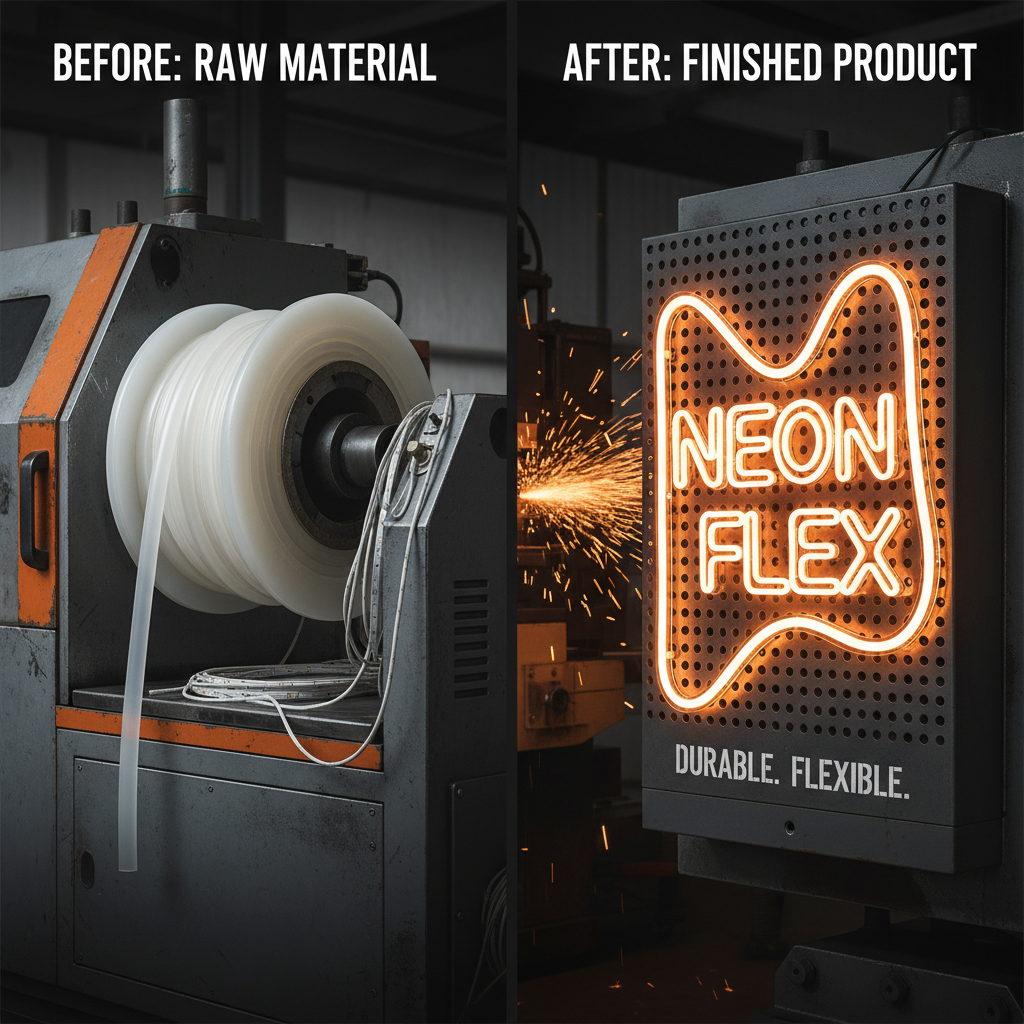
Integration with LED Neon and other light sources is another critical application. The depth of the channel letter profile determines the distance between the LED module and the acrylic diffuser, which is the primary variable in eliminating "hot spots" of light.
Evaluating Material Performance and Light Diffusion
The efficiency of a channel letter is measured by its ability to distribute light evenly across the face while maintaining a weatherproof seal. The 26mm profile typically allows for a greater distance between the light source and the face, improving the diffusion coefficient.
When comparing the 20mm and 26mm options, the trade-off is usually between sleekness and optical performance. A deeper channel allows for more flexible LED placement, which can reduce the number of modules required to achieve a uniform glow.
20mm 26mm j type and arrow type channel letter Performance Metrics
Data indicates that increasing the profile depth from 20mm to 26mm can significantly improve the perceived light uniformity in larger letters, though it slightly increases the total weight of the assembly.
Procurement Standards for Channel Letter Materials
Procuring high-quality channel letter materials requires verification of the extrusion process. For B2B buyers, the focus should be on UV stability and the shore hardness of the material to ensure it does not become brittle after several years of sun exposure.
Suppliers like Hebei Prongte Rubber & Plastic Technology Co., Ltd., which specializes in rubber and silicone extrusion, offer the precision necessary for these profiles. The ability to maintain tight tolerances across large production runs is what separates industrial-grade materials from generic alternatives.
Buyers should request samples to test the "snap-fit" tension. A profile that is too loose will lead to rattling and leakage, while one that is too tight can crack the acrylic face during the installation process.
Future Trends in Signage Extrusion Technology
The industry is moving toward more sustainable, recyclable TPE and silicone-based profiles that offer better elasticity and weather resistance than traditional PVC. These new materials may reduce the frequency of maintenance cycles for outdoor signage.
Furthermore, the integration of smart-lighting is driving a demand for profiles that can accommodate thinner, higher-intensity LED strips. This could lead to a shift toward even slimmer profiles, potentially below 20mm, without sacrificing structural rigidity.
Customization is also becoming more accessible. Co-extrusion techniques are likely to allow for the integration of decorative strips or flame-retardant layers directly into the channel letter profile, enhancing safety and aesthetics simultaneously.
Comparative Selection Guide for Signage Fabricators
Choosing between the available profiles depends entirely on the project's specific constraints. Fabricators must weigh the visual requirements of the client against the physical environment where the sign will be installed.
The following table provides a technical comparison based on the most common industrial requirements for channel letter assemblies.
| Profile Type | Ideal Use Case | Light Diffusion | Structural Grip |
|---|---|---|---|
| J-Type 20mm | Small Retail Logos | Moderate | High (Tight Seal) |
| J-Type 26mm | Medium Commercial | Good | Very High |
| Arrow-Type 20mm | Standard Signage | Moderate | Mechanical Lock |
| Arrow-Type 26mm | Large Outdoor Facades | Excellent | Industrial Strength |
| Silicone Hybrid | Extreme Weather | Variable | Flexible/Elastic |
| TPE Low-Profile | Modernist Designs | Moderate | Fast-Snap |
Ultimately, the 26mm Arrow-Type remains the gold standard for durability, while the 20mm J-Type is the preferred choice for high-precision, aesthetically driven interior projects.
Frequently Asked Questions
Conclusion
The selection of 20mm 26mm j type and arrow type channel letter materials is a technical decision that impacts both the visual quality and the longevity of commercial signage. By aligning the profile geometry with the environmental demands and the desired lighting effect, fabricators can ensure a professional and durable result.
Professionals evaluating these specifications for their next project can review comprehensive product details and technical capabilities through www.pulongte.com to ensure their material choice meets industrial standards.