0%

Table of Contents

To be honest, things are moving fast these days. Everyone's talking about miniaturization, integration, and, of course, sustainability. It's all well and good in the boardroom, but out on site, you quickly realize that 'sustainable' often means 'more expensive and harder to work with'. It's a constant trade-off, you know? We’re seeing a lot of interest in flexible LED strips, everyone wants that curved look, but getting the adhesive right… that's a headache. And don't even get me started on the power supplies. They’re shrinking, but the heat dissipation isn't keeping up.

Have you noticed how engineers love to overcomplicate things? I swear, sometimes they design a mounting bracket that takes three times as long to install as it should. It’s all about tolerances, they say. But out here, it’s about getting the job done, quickly and reliably. A common trap is focusing too much on the theoretical light output and not enough on the real-world viewing angle. Bright light is useless if nobody can see it. I encountered this at a factory in Dongguan last time – they were so proud of their high lumen output, but the light was so directional it looked awful.

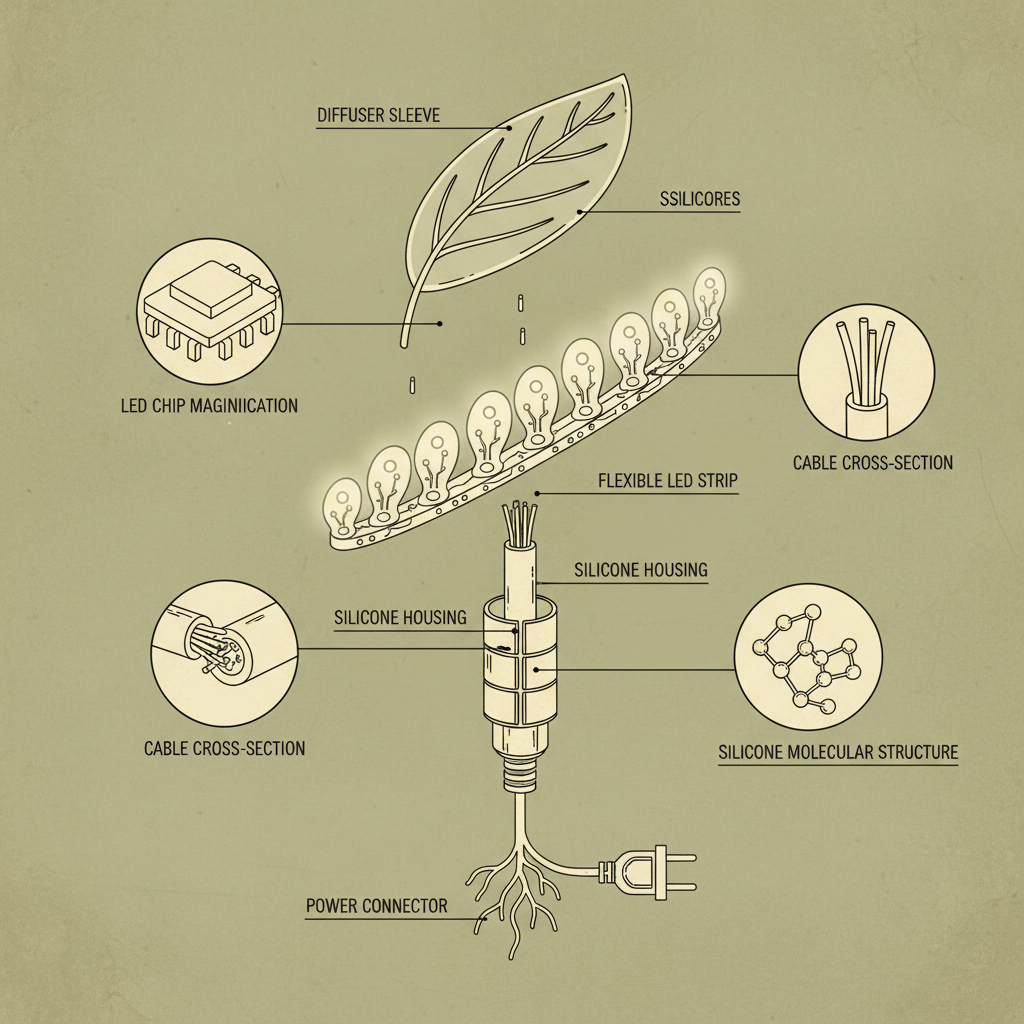
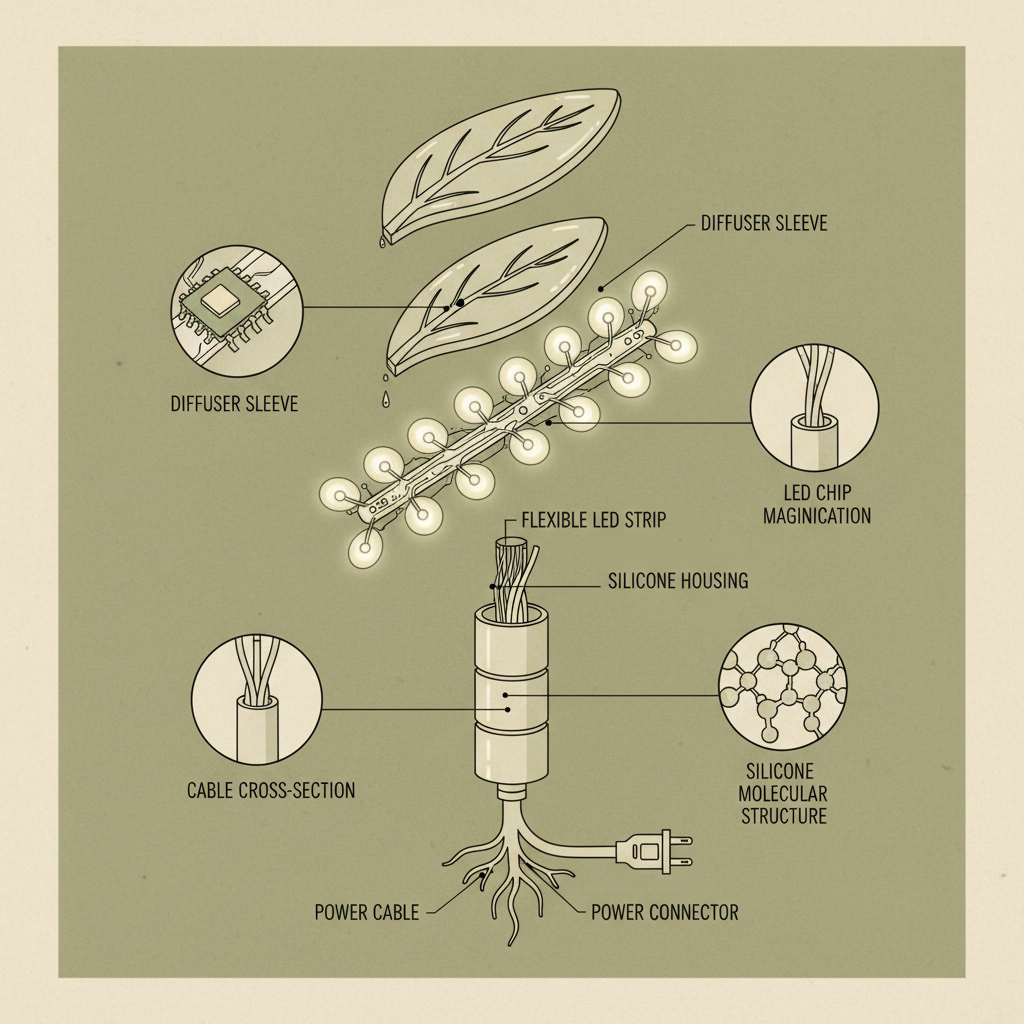
Now, let's talk materials. We’re primarily using a high-density polyurethane for the housing. It feels solid, got a bit of a chemical smell when you first open the box, but it fades. And it’s surprisingly durable – I've dropped these things from scaffolding (don’t tell anyone) and they’ve bounced. The LEDs themselves? Mostly Epistar chips, reliable enough. The diffusers are polycarbonate, gotta be careful with those, they scratch easily. I always tell the guys to keep a soft cloth handy. It’s the little things.
Navigating the Challenges and Innovations in Modern LED Neon Light Technology

Industry Trends & Design Pitfalls

Navigating the Challenges and Innovations in Modern LED Neon Light Technology

Strangely, everyone wants wireless now. Wireless LEDs. It sounds good on paper, but the battery life is always a problem, and the charging infrastructure is a mess. I've seen guys rigging up extension cords across construction sites just to keep these things powered. It defeats the whole purpose. Another thing? IP ratings. People assume an IP67 rating means it can be submerged indefinitely. It doesn’t. It means it can withstand temporary immersion. I learned that the hard way on a project in Dubai…

And these new flexible LED boards? Fantastic for creative shapes, sure. But the solder joints… they’re delicate. One wrong bend and you’ve got a dead section. I've seen whole installations ruined because of that.

Material Deep Dive: From Polyurethane to Polycarbonate

The polyurethane, as I said, is pretty tough. We use a specific grade that's UV-resistant, which is crucial for outdoor applications. It's also surprisingly lightweight, which makes installation easier. It's got a bit of give to it, so it can absorb some impact. The polycarbonate diffusers are a different story. They’re clear, transmit light well, but they're easily scratched. We've experimented with acrylic, but it yellows over time, especially in direct sunlight. So polycarbonate it is, despite the hassle. The LED strips themselves are coated with silicone. That's important for weatherproofing. I’ve seen some cheap ones that use epoxy – it cracks after a year.

The wiring is where things get really interesting. We've switched to a thicker gauge wire than most manufacturers use. It's more expensive, but it reduces voltage drop, especially on longer runs. We also use a special connector that’s waterproof and corrosion-resistant. I found a cheap connector once that completely failed after a month in a coastal environment. Lesson learned.

We’re even looking into using recycled materials for the housing. It's a challenge, finding something that's durable enough and meets the fire safety standards, but it's worth the effort. Anyway, I think it’s important to consider the whole lifecycle of the product.

Real-World Testing & Performance

Forget the lab tests. Those are useful for basic functionality, but they don't tell you how it'll hold up in the real world. We test these things by installing them on construction sites and leaving them there for months. We subject them to rain, snow, dust, vibrations... everything. We even had a crew accidentally drive a forklift over one once. It survived. Mostly.

The biggest test is thermal performance. LEDs generate heat, and if you don’t dissipate it properly, they’ll fail prematurely. We use thermal cameras to monitor the temperature of the LEDs under different operating conditions. It's fascinating to see how much heat they generate. We also do salt spray tests to check for corrosion resistance. That's especially important for coastal projects.

We also have a team that specifically tries to break these things. It sounds counterintuitive, but it's the best way to identify weaknesses. They drop them, bend them, twist them, expose them to extreme temperatures… you name it. Later… Forget it, I won’t mention some of the things they did.

User Applications: The Unexpected

You’d be surprised how people use these things. We designed them for architectural lighting, signage, and decorative purposes. But we’ve had customers use them for everything from under-cabinet lighting in kitchens to illuminating fish tanks. One guy even used them to build a glowing chess board.

I've seen them used in art installations, retail displays, and even on movie sets. The flexibility of the strips allows for a lot of creativity. But the biggest market, by far, is still signage. Everyone wants a bright, eye-catching sign. And LEDs are perfect for that.

LED Neon Light Application Distribution


Advantages, Disadvantages & Customization Options

The big advantage, obviously, is energy efficiency. LEDs use a fraction of the power of traditional neon. They’re also much more durable and have a longer lifespan. But they’re not perfect. The initial cost is higher, and the color rendering isn’t always as good as neon. And getting a really uniform glow can be tricky.

Customization is where these things really shine. We can do pretty much any color, any length, any shape. Last week, a customer wanted a neon sign that spelled out their company logo in a specific shade of pink. It was a pain to match the color, but we got there. We can also integrate these into smart home systems, allowing users to control the brightness and color remotely.

A Customer Story from Shenzhen

Last month, that small boss in Shenzhen who makes smart home devices insisted on changing the interface to . He said it was the future, everyone was going . I tried to explain that most of our customers still used USB-A, and that switching would create compatibility issues. But he wouldn’t listen. He said his customers were “forward-thinking.” We made the change, and sales plummeted. He called me a week later, begging me to switch back. He learned a valuable lesson that day: sometimes, you gotta stick with what works.

Another time, we had a customer who wanted to use these strips to illuminate a swimming pool. I told him it was a bad idea, unless he used a fully submersible power supply and sealed the connections properly. He said he'd take care of it. Two weeks later, I got a call saying the entire system had short-circuited. It’s frustrating, honestly.

But hey, that's part of the job. You’re constantly dealing with people who think they know better than you. You just gotta stay calm and explain things clearly.

Key Performance Indicators: A Rough Assessment

Durability (1-10) Color Accuracy (1-10) Installation Ease (1-10) Cost-Effectiveness (1-10)
8 7 9 8
7 6 8 7
9 8 7 9
6 9 6 6
7 7 9 8
8 8 8 7

FAQS

What's the typical lifespan of these led neon light strips?

It really depends on the operating conditions, but we generally guarantee around 50,000 hours. That's based on testing at moderate temperatures and with consistent power supply. If you push them too hard – running them at full brightness for extended periods in a hot environment – that lifespan will definitely decrease. We've seen failures after as little as 20,000 hours in extreme cases.

Are these led neon light strips dimmable?

Yes, most of our strips are dimmable, but you need to use a compatible dimmer switch. Not all dimmers work with LEDs. We recommend using a PWM (Pulse Width Modulation) dimmer, as it provides the smoothest dimming experience. Using a standard dimmer designed for incandescent bulbs can cause flickering and reduce the lifespan of the LEDs.

What IP rating should I look for if I'm using these outdoors?

For outdoor use, you definitely want at least an IP65 rating, which means it’s dust-tight and protected against water jets. IP67 is even better, as it offers temporary immersion protection. However, remember that IP ratings are tested under controlled conditions. Real-world conditions are often harsher, so it’s always a good idea to over-spec the IP rating if possible.

Can I cut these led neon light strips to size?

Yes, you can, but only at the designated cutting points. These are usually marked on the strip with scissors icons. Cutting anywhere else will damage the LEDs and render that section useless. Always use a sharp knife or scissors and make a clean cut. After cutting, you may need to apply a silicone sealant to the end to prevent water ingress.

What's the best way to adhere these led neon light strips to a surface?

The strips come with an adhesive backing, but it’s not always the strongest. For a more secure bond, we recommend using a separate adhesive, such as double-sided tape or silicone adhesive. Make sure the surface is clean and dry before applying the adhesive. Avoid using adhesives that contain solvents, as they can damage the silicone coating on the LEDs.

What kind of power supply do I need for these led neon light strips?

You need a 12V DC power supply with sufficient wattage to power the entire length of the strip. To calculate the wattage, multiply the length of the strip (in meters) by the wattage per meter (which is usually specified in the product description). Add a safety margin of 20-30% to ensure the power supply isn’t overloaded. Using the wrong power supply can damage the LEDs or cause them to malfunction.

Conclusion

So, that’s the lowdown on led neon light, from the factory floor to the job site. We've covered materials, testing, applications, and a whole lot of headaches. Ultimately, it's about finding the right balance between performance, cost, and reliability. And remember, don’t believe everything the marketing guys tell you.

Ultimately, whether this thing works or not, the worker will know the moment he tightens the screw. And if you need a reliable source for led neon light, give led neon light a look. We try to keep things real.

William Davis

William Davis

William Davis is the Sales and Marketing Director at Hebei Prongte. With over 10 years of experience in the rubber and plastic industry, William is responsible for expanding our market reach and building strong relationships with key clients. He possesses a deep understanding of customer needs and works closely with
Previous Evaluating Stretch the Ceiling Keel for Modern Construction Applications
Next Understanding High Performance light box silicone strip for Modern Construction